
Hãy nhập câu hỏi của bạn vào đây, nếu là tài khoản VIP, bạn sẽ được ưu tiên trả lời.

Viết một bài văn về nguyên nhân và ảnh hưởng của sự nóng lên toàn cầu và các giải pháp khả thi.
Phần mở đầu: (Giới thiệu chủ đề & nội dung chính của bài văn)
- một trong những vấn đề lớn nhất mà con người phải đối mặt ngày nay
- chủ yếu do con người gây ra
- tác động thảm khốc nhất đối với con người
- con người phải thực hiện các hành động để giảm thiểu rủi ro
- bài luận sẽ thảo luận về nguyên nhân và ảnh hưởng, và các giải pháp khả thi
Phần thân
1. Nguyên nhân của sự nóng lên toàn cầu
- Khí thải carbon dioxide từ việc đốt nhiên liệu hóa thạch trong các kế hoạch điện và xe có động cơ
- phá rừng để lấy đất trồng trọt, gỗ và giấy
- tăng cường sử dụng phân bón hóa học trên đất trồng trọt
2. Ảnh hưởng của sự nóng lên toàn cầu
- bệnh tật liên quan đến nhiệt và tử vong, và lây lan các bệnh truyền nhiễm
- Sự tan chảy của các chỏm băng ở hai cực và sự dâng cao của mực nước biển → Người dân mất nhà cửa
- các kiểu thời tiết khắc nghiệt như bão nghiêm trọng, sóng nhiệt, lũ lụt và hạn hán → Thiếu nước và lương thực
- sự tuyệt chủng trên diện rộng của các loài
3. Một số giải pháp khả thi
- giảm sử dụng năng lượng
- trồng cây hoặc thực vật
- sử dụng các phương tiện giao thông xanh
Sự kết luận
- Tóm tắt những điểm chính
- Phát biểu ý kiến của bạn
Gợi ý trả lời
Xem thêm về văn bản nguồn nàyNhập văn bản nguồn để có thông tin dịch thuật bổ sung
Gửi phản hồi
Bảng điều khiển bên
1. D 2. A 3. C 4. B 5. F
Rachel Carson, an ecologist, a biologist, and a writer, was born in 1907 in Springdale, Pennsylvania. As a small girl, she was an avid reader and soon showed a keen interest in the natural world and writing. 1 She had her first story about animals published in a magazine when she was in the fourth grade. She graduated from Pennsylvania College for Women (now Chatham University) in 1929, studied at the Woods Hole Marine Biological Laboratory, and received her MA in zoology from Johns Hopkins University in 1932.
Initially, Rachel Carson worked for the US Bureau of Fisheries as a part-time science writer. 2 Part of her job was to interest the public in marine and freshwater biology via radio programmes. She then spent the next few years serving as a marine scientist and editor for the US Fish and Wildlife Service. There, she became famous for her writings on environmental pollution and the natural history of the sea, 3 She warned the public about its negative long-term effects. Climate change, rising sea-levels, melting Arctic glaciers, decreasing animal populations are part of her work. In her most influential book, Silent Spring (1962), Rachel Carson strongly disapproved of the widespread use of pesticides such as DDT. 4 Firstly, Silent Spring suggested a much-needed change in people's way of life and called for new policies to protect humans and the environment. She then was criticised by the chemical industry and some government officials, but never gave up. 5 The book eventually prompted a change in national policy, leading to the enactment of a national ban of pesticides on agricultural farming. Additionally, it helped spark the environmental movement, resulting in the establishment of the United States Environmental Protection Agency. That's why she was called the mother of modern ecology.
Rachel Carson died of breast cancer in 1964. However, her work continues to inspire new generations to protect all the living world.
Tạm dịch
Rachel Carson, nhà sinh thái học, nhà sinh vật học và nhà văn, sinh năm 1907 tại Springdale, Pennsylvania. Khi còn là một cô gái nhỏ, cô ấy là một người ham đọc sách và sớm thể hiện sự quan tâm sâu sắc đến thế giới tự nhiên và viết lách. Cô ấy có câu chuyện đầu tiên về động vật được đăng trên một tạp chí khi cô ấy học lớp bốn. Cô tốt nghiệp Đại học Phụ nữ Pennsylvania (nay là Đại học Chatham) vào năm 1929, học tại Phòng thí nghiệm Sinh học Biển Woods Hole và nhận bằng Thạc sĩ về động vật học tại Đại học Johns Hopkins vào năm 1932.
Ban đầu, Rachel Carson làm việc cho Cục Thủy sản Hoa Kỳ với tư cách là một nhà văn khoa học bán thời gian. Một phần công việc của cô là thu hút sự quan tâm của công chúng đến sinh vật biển và nước ngọt thông qua các chương trình phát thanh. Sau đó, cô đã dành vài năm tiếp theo với tư cách là nhà khoa học biển và biên tập viên cho Cơ quan Cá và Động vật hoang dã Hoa Kỳ. Ở đó, cô trở nên nổi tiếng với những bài viết về ô nhiễm môi trường và lịch sử tự nhiên của biển, Cô cảnh báo công chúng về những tác động tiêu cực lâu dài của nó. Biến đổi khí hậu, mực nước biển dâng cao, băng tan ở Bắc Cực, giảm quần thể động vật là một phần công việc của cô. Trong cuốn sách có ảnh hưởng nhất của mình, Silent Spring (1962), Rachel Carson cực lực phản đối việc sử dụng rộng rãi thuốc trừ sâu như DDT. Đầu tiên, Silent Spring đề xuất một sự thay đổi rất cần thiết trong cách sống của mọi người và kêu gọi các chính sách mới để bảo vệ con người và môi trường. Sau đó, cô bị chỉ trích bởi ngành công nghiệp hóa chất và một số quan chức chính phủ, nhưng không bao giờ bỏ cuộc. Cuốn sách cuối cùng đã thúc đẩy một sự thay đổi trong chính sách quốc gia, dẫn đến việc ban hành lệnh cấm toàn quốc về thuốc trừ sâu trong canh tác nông nghiệp. Ngoài ra, nó đã giúp châm ngòi cho phong trào môi trường, dẫn đến việc thành lập Cơ quan Bảo vệ Môi trường Hoa Kỳ. Đó là lý do tại sao cô được gọi là mẹ của hệ sinh thái hiện đại.
Rachel Carson qua đời vì bệnh ung thư vú vào năm 1964. Tuy nhiên, công việc của cô vẫn tiếp tục truyền cảm hứng cho các thế hệ mới bảo vệ tất cả thế giới sống.
hay quá bạn :
Vào đại học, đó là một bước ngoặt lớn trong cuộc đời của mỗi con người. Hầu hết các bậc cha mẹ ở Việt Nam hiện nay đều cho rằng học đại học là sự đảm bảo tốt nhất cho tương lai của con cái họ. Vì vậy, nhiều phụ huynh đã tạo áp lực về điểm số và thứ bậc trong lớp học. Để thu hồi điều đó, họ đua nhau cho con học, học dốt, khiến các bạn không có thời gian nghỉ ngơi, vui chơi lành mạnh. Chúng tôi không thể khẳng định rằng phụ huynh nghĩ hay nghĩ sai chút nào khi công việc tốt đòi hỏi bằng cấp. Nhân tiện, việc học ở trường đại học là rất quan trọng. Thứ nhất, trong môi trường giáo dục đại học, sinh viên sẽ được tiếp cận với kiến thức được chọn lọc nhanh nhất có thể thông qua sách vở và thực hành. Kiến thức của nó sẽ giúp bạn nâng cao chuyên môn của mình trong công việc sau này. Thứ hai, các trường đại học cung cấp cho bạn nhiều cơ hội hơn cho sự nghiệp của bạn. Ví dụ, các công ty có xu hướng nhận những sinh viên có kết quả tốt hoặc được chứng minh là xuất sắc từ các trường đại học thay vì tự tìm kiếm ứng viên. Không là câu trả lời. Nếu bạn nghĩ về nó, các nhà khoa học, những người giàu nhất trên thế giới không phải ai cũng học đại học nhưng họ vẫn thành công. Hãy lấy một ví dụ. Bill Gates, chủ sở hữu toàn cầu của Microsoft ở tuổi 20, đã bỏ học đại học để theo đuổi sở thích của mình. Và những người phát minh ra máy cày tiện ích hay máy gặt chỉ là nông dân. Chúng ta không thể phủ nhận lợi ích của việc học đại học, nhưng tại sao hàng năm vẫn có hàng nghìn sinh viên thất nghiệp? Và rất ít sinh viên ra trường và thực hiện các khóa đào tạo của họ? Nhiều sinh viên đạt được bằng khá, giỏi nhưng khó hoặc không xin được việc làm. Chỉ có hai lý do chính, đó là ít thực hành dẫn đến thiếu kỹ năng và không thực hiện được các kỹ năng đã học. Tóm lại, đại học không phải là con đường duy nhất dẫn đến thành công nhưng nó là con đường an toàn và chắc chắn nhất. Vì vậy, khi trượt đại học, bạn không cần phải trải qua nỗi buồn, cánh cửa này đóng lại thì cánh cửa khác sẽ mở ra, quan trọng là chúng ta phải có niềm tin và sự quyết tâm, rồi sẽ có ngày đạt được thành công.
At university, it is a big turning point in the lives of each human. Most parents in Vietnam today think that studying at university is the best future guarantee for their children. Therefore, many parents have put pressure on the grades and hierarchies in the classroom. To revoke that, they race each other for their children to study, learn the fool, causing you to have time to rest, to play healthy. We can't confirm whether parents think or think is wrong at all when good jobs require degrees. Studying at university is important by the way. Firstly, in a higher education environment, students will have access to selected knowledge as quickly as they can through books and praces. Its knowledge will help you to raise your expertise at work later on. Secondly, universities provide you with more opportunities for your careers. For example, companies tend to receive students who have good results or are proved to be excellent from universities instead of looking for candidates themselves.But is university the only way to success? No is the answer. If you think about it, scientists, the richest people in the world don't everybody go to university but they still succeed. Let's take just one example. Bill Gates, a global owner of Microsoft at the age of 20, has dropped out of university to pursue his interests. And the people who invented the utility plow or the reapers were just farmers. We cannot deny the benefits of college, but why are there thousands of unemployed students every year? And very few students get out to school and do their training? Many students get a good degree, a good degree, but are difficult or unable to get a job. There are only two main reasons, which are that few praces lead to a lack of skills and a failure to implement the skills that they have learned. In short,the university is not the only path to success but it is the most secure and secure path. So when you slip through college, you don't have to go through sadness, and this door closes, another door opens, and importantly we have to have faith and determination, and one day we will achieve success.
Câu này thiếu chủ ngữ nha bạn
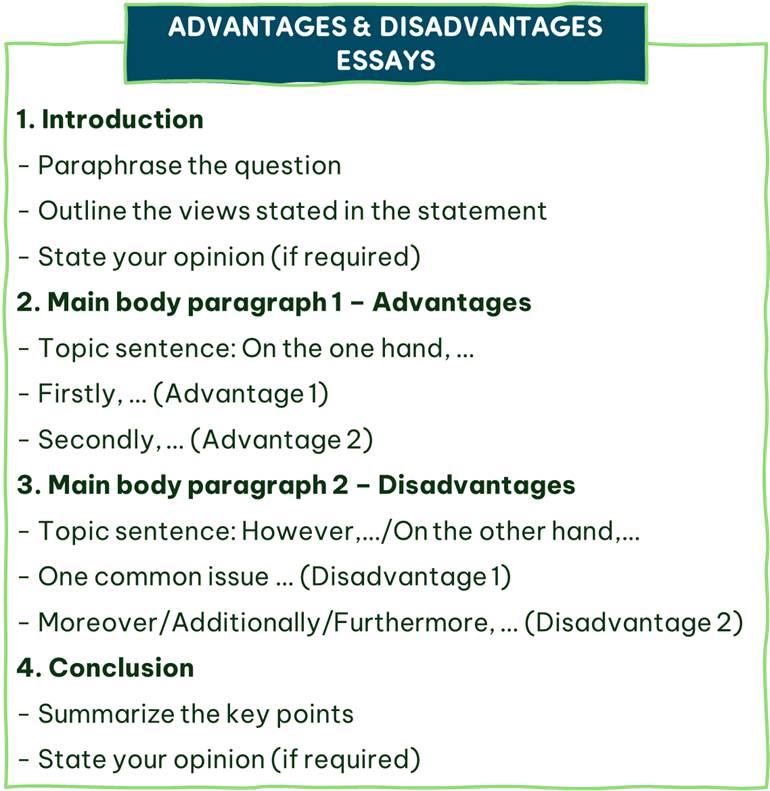
Living in a smart city brings many benefits and disadvantages. In this article, I will present some pros and cons of living in a smart city.
The first advantage of living in a smart city is convenience. Information and communications technology is integrated into urban systems, helping to provide public services more effectively. For example, through mobile applications, people can easily search for information about transportation, destinations, and entertainment activities. Furthermore, the smart traffic system helps reduce congestion and save travel time.
Another advantage of smart cities is energy saving and environmental protection. Advanced technologies are applied to manage and use resources effectively. For example, automatic lighting and temperature regulation in buildings help save energy. In addition, the use of smart public transport and self-driving cars helps reduce polluting emissions.
However, living in a smart city also has disadvantages. One of them is the issue of information security. With the widespread use of information technology, the risk of personal information insecurity and privacy violations increases. This requires strong security measures to ensure the safety of people's personal data.
Another drawback of smart cities is their dependence on technology. If technology systems fail or are attacked, public services could be disrupted. This poses challenges for maintaining stability and ensuring security of smart cities.
In short, living in a smart city brings many benefits such as convenience and energy savings. However, it is also necessary to pay attention to information security issues and dependence on technology. To make the most of the advantages and minimize the disadvantages, smart investment and management from city managers is needed.
Part 1: Introduction
Higher education plays a vital role in shaping our future careers and personal development.
After finishing school, students face various options for continuing their education, each with its own benefits and challenges.
This essay will explore different paths available after school, focusing on higher education and vocational training.
Part 2: Main Content
First, about Higher Education:
Higher education includes universities, colleges, and academic institutes that offer degree programs.
It emphasizes theoretical knowledge, research, and critical thinking skills.
Graduates often pursue careers in professions requiring specialized knowledge, such as medicine, engineering, law, and education.
Benefits include gaining in-depth expertise, better job prospects, and personal growth.
Second, about Vocational Education:
Vocational education focuses on practical skills and hands-on training tailored to specific trades and industries.
It prepares students for immediate employment in fields like construction, electronics, hospitality, and manufacturing.
This path often involves apprenticeships, technical courses, and certifications.
It is a practical alternative for those who prefer direct entry into the workforce or wish to acquire specific skills quickly.
Part 3: Q&A
Question:What are the most important factors when choosing a university or a vocational school?Answer:
Students should consider their interests and passions, ensuring the field aligns with their future goals.
The reputation and quality of the institution are crucial.
Employment opportunities and industry connections of the school matter significantly.
Cost, location, and campus facilities also influence the decision.
Ultimately, choosing a path that matches one's strengths and aspirations is essential for success and satisfaction.