
Hãy nhập câu hỏi của bạn vào đây, nếu là tài khoản VIP, bạn sẽ được ưu tiên trả lời.

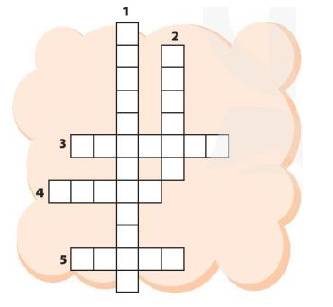
1shouldn't
2shouldn't
3should
4should
5should
6shouldn't
7should
8shouldn't
II./ Read the information for tourists in South Africa. Choose the correct alternative.
To travel to South Africa on holiday you have to/ can to get a holiday visa. And you don’t have to / can’t enter the country more than once on this visa. You have to / don’t have to get a new visa if you want to travel again.
There are 11 official languages in South Africa, but you have to / don’t have to speak all of them,of course! The only currency in the country is the rand, so you can / can’t use any foreign money. You have to / don’t have to change your currency to South African Rands.
I./ Complete the sentences with should / shouldn’t.
1. You…shouldn’t………. go there in January, it’s cold!
2. It’s very late. You……shouldn’t………go out.
3. A: I’m so tired.
B: You……should…….. relax.
4. It’s a beautiful city. You ………should…….take a tour.
5. It’s a long way to the city centre. You………should…….take a bus.
6. A: I work 10 hours a day.
B: You…………shouldn’t……work so hard.
7. You …should…………look a word up if you don’t know it.
8. There is snow on the road. You………shouldn’t……..drive fast.
II./ Read the information for tourists in South Africa. Choose the correct alternative.
To travel to South Africa on holiday you have to/ can to get a holiday visa. And you don’t have to / can’t enter the country more than once on this visa. You have to / don’t have to get a new visa if you want to travel again.
There are 11 official languages in South Africa, but you have to / don’t have to speak all of them,of course! The only currency in the country is the rand, so you can / can’t use any foreign money. You have to / don’t have to change your currency to South African Rands.
We ought not to hunt wild animals.
(Chúng ta không nên săn bắt động vật hoang dã.)
One of the things we should do is to avoid crowded places.
(Một trong những điều chúng ta nên làm là tránh những nơi đông người.)
I suggest that we should not waste water and electricity.
(Tôi đề nghị rằng chúng ta không nên lãng phí nước và điện.)
It will be better following walking paths and trails.
(Sẽ tốt hơn khi đi theo những con đường đi bộ và đường mòn.)
Refer
There are several things that we should do to reduce the negative impact of travelling on the environment. First of all, we should reduce our carbon footprint during the trip. We should only fly when the trip is long and choose environmentally-friendly means of transport such as cycling or public transport. The next thing is that wherever we go, we should always protect our environment. By keeping it clean and safe, we can reduce the negative impact of travelling on the environment. In addition, we had better choose activities that are good for local people and the environment. These will not only help us understand but also respect the nature more and stop doing things that harm the environment and local area as well
1. Read the text. Match the highlighted words with their meanings.
(Đọc văn bản. Nối các từ được làm nổi bật với nghĩa của chúng.)
The more people travel, the bigger impact they may have on the environment. How can we reduce it while travelling? Here are some advice.
Reduce your carbon footprint while travelling. Since flying produces more carbon footprint than any other means of transport, you should only fly when the trip is long. During the trip, you should walk, cycle or use public transport as much as you can. This not only helps to keep the environment clean, but also allows you to enjoy the beauty of nature and interact with local people.
Choose eco-friendly activities that benefit animals and the ecosystem. Avoid activities that allow you to touch or ride animals because they disturb their natural patterns and attract many people. Instead, visit wildlife parks or organic farms. These will help you understand and respect the nature more and stop doing things that harm the environment.
Answer:
1. interact ->b: to talk or do things with other people.
2. benefit ->a: to be good for someone or something.
3. disturb ->c: to interrupt what people are doing and make them angry.

Tạm dịch:
Nam’s father: Nam ơi con đang làm gì vậy?
Nam: Con đang chuẩn bị một bài thuyết trình cho lớp học địa lý của con.
Nam’s father: Chủ đề là gì thế con?
Nam: Là bảo vệ môi trường ạ. Giáo viên của con yêu cầu thực hiện một số nghiên cứu, nhưng con không biết bắt đầu từ đâu.
Nam’s father: Bố nghĩ trước tiên con nên xác định một số vấn đề về môi trường. Đến bây giờ thì con đã tìm thấy những gì rồi?
Nam: Con đã tìm ra một loạt các vấn đề về môi trường như sự nóng lên toàn cầu, nạn phá rừng, động vật có nguy cơ tuyệt chủng và ô nhiễm, nhưng con không biết cách sắp xếp chúng.
Nam’s father: Con nên tập trung vào từng vấn đề, giải thích nguyên nhân chính của nó và đề xuất giải pháp.
Nam: Cảm ơn bố. Nhưng việc trình bày tất cả các giải pháp sẽ khó bố ạ.
Nam’s father: Con đã hỏi ý kiến giáo viên của con chưa?
Nam: Dạ, con có. Cô giáo khuyên con nên bắt đầu từ những hành động nhỏ, thiết thực để bảo vệ môi trường trước khi nảy ra những ý tưởng lớn cần nhiều công sức hay tiền bạc mới thành công.
Nam’s father: Nghe hay đấy. Tốt hơn con nên làm theo lời khuyên của cô ấy. Khi nào cô ấy yêu cầu con trình bày nó?
Nam: Cô ấy nói con nên trình bày nó vào tuần sau.
Nam’s father: Con vẫn còn rất nhiều thời gian. Chúc con may mắn!
Nam: Cảm ơn bố.
1: ought to write
=>ought to be written
2: must take
=>must be taken
3: be provide
=>be provided
4: mustn't force
=>mustn’t be forced
5: given
=>be given
1. Yes, I really want to take part in this lights-out event in Viet Nam because it is one of the most effective and meaningful events that every person can do to save the planet.
(Có, tôi rất muốn tham gia sự kiện tắt đèn này tại Việt Nam vì đây là một trong những sự kiện hiệu quả và ý nghĩa nhất mà mỗi người có thể làm để cứu hành tinh.)
2. If I have a chance to join the event, I will call people around me to turn off their laptops/ electric devices, and run down the street to enjoy that memorable moment together.
(Nếu có cơ hội tham gia sự kiện, tôi sẽ kêu gọi mọi người xung quanh tắt máy tính xách tay / thiết bị điện, và cùng nhau chạy xuống phố để tận hưởng khoảnh khắc đáng nhớ đó.)
Lesson C
3. C. Write should or shouldn't.
(Viết “should” – nên hoặc “shouldn’t” – không nên)
1. You __should___ take sunblock to the beach.
2. You __shouldn't___ smoke cigarettes.
3. A: I’m tired.
B: You ___should__ get more sleep.
4. A: Should I take a taxi?
B: No, you ___shouldn't__. It’s expensive.
Phương pháp giải:
- S + should + V_infinitive: Ai đó nên làm gì
- S + shouldn’t + V_infinitive: Ai đó không nên làm gì