
Hãy nhập câu hỏi của bạn vào đây, nếu là tài khoản VIP, bạn sẽ được ưu tiên trả lời.

UNICEF Programme | UNDP Project | |
What / name? | Vaccines for Children (Vắc xin cho Trẻ em.) | Poverty Reduction (Giảm nghèo) |
What / focus on? | protecting children with life-saving vaccines (bảo vệ trẻ em bằng vắc-xin cứu mạng) | reducing poverty and developing economy in disadvantaged areas (xóa đói giảm nghèo và phát triển kinh tế ở những vùng khó khăn) |
What / activities? | - educating people about the benefits of vaccines (giáo dục bảo vệ trẻ em bằng vắc-xin cứu mạng) - vaccinating as many children as possible (tiêm chủng cho càng nhiều trẻ em càng tốt) | - providing technical support (cung cấp hỗ trợ kỹ thuật) - helping develop solutions to local issues (giúp phát triển các giải pháp cho các vấn đề địa phương) |
A: What is the name of the UNDP Project?
(Tên của dự án UNDP là gì)
B: It’s Poverty Reduction.
(Đó là Giảm nghèo.)
A: What does the project focus on?
(Dự án tập trung vào cái gì?)
B: It focuses on reducing poverty and developing economy in disadvantaged areas.
(Nó tập trung vào việc xóa đói giảm nghèo và phát triển kinh tế ở những vùng khó khăn.)
A: What are the activities of this project?
(Các hoạt động của dự án này là gì?)
B: It provides technical support and helps develop solutions to local issues. What about UNICEF Programme? What is the name of the programme?
(Nó cung cấp hỗ trợ kỹ thuật và giúp phát triển các giải pháp cho các vấn đề địa phương. Chương trình UNICEF thì sao? Tên của chương trình là gì?)
A: It’s Vaccines for Children.
(Đó là Vắc xin cho Trẻ em.)
B: What does the program focus on?
(Chương trình tập trung vào cái gì?)
A: It focuses on protecting children with life-saving vaccines.
(Nó tập trung vào việc bảo vệ trẻ em bằng vắc-xin cứu mạng.)
B: What are the activities of this programme?
(Các hoạt động của chương trình này là gì?)
A: It educates protecting children with life-saving vaccines and vaccinates as many children as possible.
(Nó giáo dục bảo vệ trẻ em bằng vắc-xin cứu mạng và tiêm chủng cho càng nhiều trẻ em càng tốt.)
A: What is the name of the programme?
(Tên của chương trình là gì)
B: (1) It is Education for Disadvantaged Young People.
(Đó là Giáo dục cho Thanh thiếu niên có hoàn cảnh khó khăn.)
A: What does the program focus on?
(Chương trình tập trung vào cái gì?)
B: (2) It focuses on helping disadvantaged teenagers continue their education.
(Nó tập trung vào việc giúp đỡ những thanh thiếu niên có hoàn cảnh khó khăn tiếp tục đi học.)
A: What are the activities of this programme?
(Các hoạt động của chương trình này là gì?)
B: (3) It offers young people job training and career advice. It also teaches them essential skills for the job market.
(Nó cung cấp đào tạo việc làm và lời khuyên nghề nghiệp cho những người trẻ tuổi. Nó cũng dạy họ những kỹ năng cần thiết cho thị trường việc làm.)
1. What was the mother doing? - She was sitting on a bench and talking to the boy.
(Người mẹ đang làm gì? – Cô ấy đang ngồi trên băng ghế và nói chuyện với cậu bé.)
2. What was the boy doing? - He was sitting on a bench and was not looking at his mother.
(Cậu bé đang làm gì? – Cậu bé đang ngồi trên băng ghế và không nhìn vào mẹ cậu ấy.)
3. What was the girl doing? - She was singing quietly and playing with a toy.
(Cô bé đang làm gì? – Cô bé đang hát thầm và chơi đồ chơi.)
4. What were the other travellers doing? - They were shouting greetings, waving goodbye, carrying heavy bags or running to catch trains.
(Những du khách khác đang làm gì? - (Họ đang chào nhau, vẫy tay tạm biết, mang những túi nặng hoặc chạy để bắt kịp tàu.)
5. What was the tall man doing? - He was standing near the exit and looking straight at the narrator.
(Người đàn ông cao lớn đang làm gì? – Anh ta đang đứng gần lối thoát hiểm và nhìn thẳng vào )
6. What were the cafe owners doing? - They were carrying tables outside.
(Các chủ quán ăn đang làm gì – Họ đang mang bàn ra ngoài.)
7. What was the dog doing? - He was lying on the pavement nearby.
(Con chó đang làm gì? – Nó đang nằm trên vỉa hè gần đó.)
8. What were teenage girls doing? - They were sitting on a bench and sharing headphones.
(Các cô gái teen đang làm gì? – Họ đang ngồi trên một băng ghế và chia sẻ tai nghe.)
1. Hoi An villages are well - known for their beautiful vegetable and herb gardens.
2. Tourists can spend the morning on a local farm
3. Tourists recommended to buy handmade products to help local businesses.
Both face-to-face learning and online learning are good but personally, I believe that online learning is much better due to some reasons. First of all, coronavirus disease (COVID-19) is affecting every part of the world and schools are not an exception. Learning online helps us protect ourselves and reduce the spread of disease. Besides, learning on the Internet also provides us with active learning opportunities and develops our self-discipline. Face-to-face learning can do these but online learning does better.
(Cả học trực tiếp và học trực tuyến đều tốt nhưng cá nhân tôi tin rằng học trực tuyến tốt hơn nhiều do một số lý do. Trước hết, dịch bệnh coronavirus (COVID-19) đang ảnh hưởng đến mọi nơi trên thế giới và trường học không phải là một ngoại lệ. Học trực tuyến giúp chúng ta tự bảo vệ mình và giảm thiểu sự lây lan của dịch bệnh. Bên cạnh đó, học trên Internet còn mang đến cho chúng ta những cơ hội học tập tích cực và phát triển tính tự giác. Học trực tiếp có thể làm được những điều này nhưng học trực tuyến thì làm tốt hơn.)
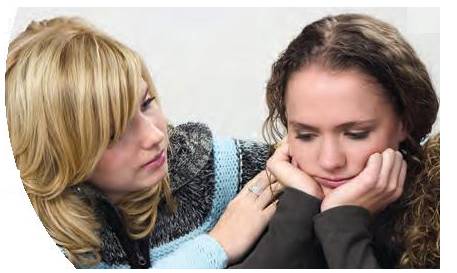
Woman: Excuse me. I have a problem and I need your advice.
Guide: What’s the matter?
Woman: Well, I have an eco-tour to Sapa with my colleagues. What should I bring?
Guide: You had better bring warm clothes as it is cold at night in Sapa.
Woman: Right. And we plan to go trekking in the evening. That would be cool!
Guide: If I were you, I would trek in the morning and prepare a light breakfast.
Woman: That’s a great idea. Thanks!
1. non-governmental organisation
2. 1961
3. to stop the process of destroying the planet's natural environment and to build a future in which humans respect nature
4. the survival of endangered animals and the protection of their natural habitats
5. 1,300
1: popular
2: cultural
3: open to
4: easier
5: international
6: experiencing
1: Viet Nam is more attractive to foreign tourists nowadays than it was in the past
2: No international organisation is larger than the United Nations
3: The international market now is more competitive than it was in the past
4: Japan is the biggest financial provider to this organisation
1.it is Cuc Phuong national park.
2. it is in Ninh Binh Province.
3.It is made national park in 1962.
4.It is 25,000ha.
5. It is famous for its diverse animals and plants.
6. It is first national park in Vietnam.