b. Make notes about the steps for your guide. Describe your app to another pair. (Ghi chú về các bước cho h...">
K
Khách

Hãy nhập câu hỏi của bạn vào đây, nếu là tài khoản VIP, bạn sẽ được ưu tiên trả lời.

2. Join the following sentences. Use who, that, which or whose. Add commas where necessary.(Nối các câu sau. Sử dụng who, that, which hoặc whose. Thêm dấu phẩy nếu cần thiết.)1. My brother teaches me how to use a laptop. He is good at computers. => My brother _________________________________________________________________________.2. Peter is a friend of mine. His sister is taking an online maths course. => Peter...
Đọc tiếp

2. Join the following sentences. Use who, that, which or whose. Add commas where necessary.

(Nối các câu sau. Sử dụng who, that, which hoặc whose. Thêm dấu phẩy nếu cần thiết.)

1. My brother teaches me how to use a laptop. He is good at computers. 

=> My brother _________________________________________________________________________.

2. Peter is a friend of mine. His sister is taking an online maths course. 

=> Peter ______________________________________________________________________________.

3. Lan has read the book. I lent her the book. 

=> Lan _______________________________________________________________________________.

4. The boy has designed this invention. He is only 10 years old.

=> The boy___________________________________________________________________________.

5. That app is easy to use. It can help improve your English pronunciation.

=> That app __________________________________________________________________________.

1
6 tháng 2 2023

1.My brother,who is good at computers,teaches me how to use a laptop

2.Peter,whose sister is taking an online maths course,is a friend of mine

3.Lan has read the book which I lent her

4.The boy who is only 10 years old has designed this invention

5.That app,which can help improve your English pronunciation,is easy to use

6 tháng 2 2023

1C

2D

3A

4E

5B

1. Describe the photo. What are the girls doing? How are they feeling? What do you think they are saying?(Mô tả bức ảnh. Các cô gái đang làm gì? Họ đang cảm thấy như thế nào? Bạn nghĩ họ đang nói gì?)1. You borrowed a DVD from your friend but now you can't find it. Do you…(Bạn mượn một cái đĩa DVD từ bạn của bạn nhưng giờ bạn không thể tìm thấy nó nữa. Bạn sẽ…)a. tell your friend the truth as soon as possible? (nói cho...
Đọc tiếp

1. Describe the photo. What are the girls doing? How are they feeling? What do you think they are saying?

(Mô tả bức ảnh. Các cô gái đang làm gì? Họ đang cảm thấy như thế nào? Bạn nghĩ họ đang nói gì?)

1. You borrowed a DVD from your friend but now you can't find it. Do you…

(Bạn mượn một cái đĩa DVD từ bạn của bạn nhưng giờ bạn không thể tìm thấy nó nữa. Bạn sẽ…)

a. tell your friend the truth as soon as possible? 

(nói cho bạn của bạn sự thật sớm nhất có thể?)

b. say nothing and hope your friend forgets about it? 

(không nói gì cả và mong bạn của bạn sẽ quên đi chuyện đó?)

c. secretly buy a new copy of the DVD? 

(bí mật mua một bản sao của đĩa DVD đó?)

d. keep looking for the DVD but say nothing yet? 

(tiếp tục tìm kiếm đĩa DVD nhưng không nói gì cả?)


2. Your friend has stopped speaking to you and you don't know why. Do you…

(Bạn của bạn đã ngừng nói chuyện với bạn và bạn không biết lý do tại sao. Bạn sẽ…)

a. send a message asking what the problem is? 

(gửi tin nhắn để hỏi vấn đề là gì?)

b. ask your other friends about it? 

(hỏi những người bạn khác về chuyện đó?)

c. insist on talking face-to-face with your friend?

(kiên quyết nói chuyện trực tiếp với người bạn đó?)

d. just wait and see if the problem goes away 

(chờ và xem liệu vấn đề có hết không)


3. You’re friendly with a new student at school, but your old friends don't like him/her. Do you… 

(Bạn tỏ ra thân thiện với một học sinh mới ở trường, nhưng mấy người bạn cũ của bạn không thích cậu ấy. Bạn sẽ…)

a. stop spending time with the new student? 

(ngưng dành thời gian với học sinh mới?)

b. tell your old friends they aren't behaving well?

(nói cho mấy đứa bạn cũ rằng họ đang cư xử không đúng?)

c. invite them all to your house so they can get to know one another? 

(mời tất cả đến nhà để họ có thể hiểu nhau hơn?)

d. continue to see them all, but separately?

(tiếp tục gặp tất cả, nhưng riêng biệt?)

1
11 tháng 9 2023

One girl is upset. The other girl is talking to her to make her feel better.

(Một cô gái đang đau. Cô gái còn lại đang nói chuyện để cô ấy cảm thấy tốt hơn.)

10 tháng 9 2023

Blended learning is a way of studying a subject, which combines learning over the Internet and face-to-face learning, and brings several benefits to us. First, blended learning helps us have more control over our own learning. Learning materials are available at all times online. Students who are absent from school won’t miss lessons. Second, we can develop better communication and teamwork skills with blended learning. There are a lot of interesting learning activities giving us more flexibility to customize own learning experiences. This enables us to have more time for pairwork and group work. In short, it is undeniable that blended learning has crucial advantages including students’ control over their learning and soft skills development.

3. Work in groups. Choose an environmental problem in 1 and make a presentation on the solutions to it. Use the expressions below to help you.(Làm việc nhóm. Chọn một vấn đề môi trường trong bài 1 và trình bày các giải pháp cho vấn đề đó. Sử dụng các cụm từ dưới đây để giúp bạn.)Useful expressionsWelcoming the audience and introducing the topic(Chào khán giả và giới thiệu chủ đề)Hi everyone.(Chào mọi người.)Good morning/...
Đọc tiếp

3. Work in groups. Choose an environmental problem in 1 and make a presentation on the solutions to it. Use the expressions below to help you.

(Làm việc nhóm. Chọn một vấn đề môi trường trong bài 1 và trình bày các giải pháp cho vấn đề đó. Sử dụng các cụm từ dưới đây để giúp bạn.)

Useful expressions

Welcoming the audience and introducing the topic

(Chào khán giả và giới thiệu chủ đề)

Hi everyone.

(Chào mọi người.)

Good morning/ afternoon.

(Chào buổi sáng / buổi chiều.)

I’m here today to talk about/ discuss …

(Hôm nay tôi ở đây để nói về / thảo luận…)

I’d like to talk about …

(Tôi muốn nói về…)

Today, I’d like to share with you …

(Hôm nay, tôi muốn chia sẻ với bạn…)

Introducing the first point/ idea

(Giới thiệu quan điểm/ ý tưởng đầu tiên)

Firstly, the problem can be solved by …

(Thứ nhất, vấn đề có thể được giải quyết bằng…)

The first solution is to …

(Giải pháp đầu tiên là…)

Introducing the second point/ idea

(Giới thiệu quan điểm / ý tưởng thứ hai)

My next point is …

(Điểm tiếp theo của tôi là…)

Another solution is to …

(Một giải pháp khác là…)

Finishing the presentation and thanking the audience

(Kết thúc bài thuyết trình và cảm ơn khán giả)

That concludes our presentation.

(Điều đó kết thúc bài thuyết trình của chúng tôi.)

That’s the end of our presentation today.

(Đó là phần cuối của bài thuyết trình của chúng ta ngày hôm nay.)

Thank you for listening.

(Cám ơn vì đã lắng nghe.)

Thank you for your attention.

(Cảm ơn vì sự quan tâm của bạn.)

1
10 tháng 9 2023

Good morning. Today, I’d like to share with you about the solutions to one of the most significant problems in our city - deforestation. Firstly, the problem can be solved by recycling paper, plastics, and wood products. My next point is introducing strict laws to prevent the cutting of natural forests. Another solution is to educate our friends, family, and community by sharing the deforestation facts, and its causes and effects. That’s the end of our presentation today. Thank you for your attention.

Tạm dịch:

Buổi sáng tốt lành. Hôm nay, tôi muốn chia sẻ với các bạn về giải pháp cho một trong những vấn đề nổi bật nhất ở thành phố của chúng ta - nạn phá rừng. Thứ nhất, vấn đề có thể được giải quyết bằng cách tái chế giấy, nhựa và các sản phẩm từ gỗ. Giải pháp tiếp theo của tôi là đưa ra luật nghiêm khắc để ngăn chặn việc chặt phá rừng tự nhiên. Một giải pháp khác là giáo dục bạn bè, gia đình và cộng đồng của chúng ta bằng cách chia sẻ sự thật về nạn phá rừng, nguyên nhân và hậu quả của nó. Bài thuyết trình hôm nay đến đây là hết. Cảm ơn các bạn vì đã chú ý lắng nghe.

2. Read the text and circle the correct meanings of the highlighted words.(Đọc văn bản và khoanh tròn nghĩa đúng của các từ được đánh dấu.)Since UNICEF set up an office in 1975 in Viet Nam, it has run projects in various fields to provide the highest possible support for children in our country. The organisation particularly aims to create opportunities for all children in Viet Nam to attend school, learn and succeed. The following programmes help achieve the UNICEF's...
Đọc tiếp

2. Read the text and circle the correct meanings of the highlighted words.

(Đọc văn bản và khoanh tròn nghĩa đúng của các từ được đánh dấu.)

Since UNICEF set up an office in 1975 in Viet Nam, it has run projects in various fields to provide the highest possible support for children in our country. The organisation particularly aims to create opportunities for all children in Viet Nam to attend school, learn and succeed. The following programmes help achieve the UNICEF's education aims for Viet Nam.

Education for Disadvantaged Young People

UNICEF helps disadvantaged teenagers continue their education by offering them job training and career advice. They are also taught essential skills for the job market.

Providing Education Opportunities for Children with Disabilities

This programme gives children with disabilities a chance to get access to and benefit from a quality education. It also helps promote equal participation in society and a culture in which people respect each other.

Improving Learning Achievements

This is another practical programme supported by UNICEF. The aim is to better prepare children for the challenges in the future. UNICEF helps Viet Nam in joining regional educational programmes to improve children's learning achievements. When they leave school, they should have the necessary skills and knowledge to work in a fast-changing world.

1. create

a. make something happen 

b. increase something

c. refuse something

2. essential

a. usual

b. necessary

c. successful

3. respect

a. have a good opinion of somebody

b. look down on somebody

c. get on well with somebody

4. practical

a. connected with organisations

b. connected with ideas

c. connected with real situations

2
14 tháng 8 2023

1. a

2. b

3. a

4. c

10 tháng 9 2023

1. a

2. b

3. a

4. c

1. create (v): tạo ra

a. make something happen

(làm cho một cái gì đó xảy ra)

b. increase something

(tăng cái gì đó)

c. refuse something

(từ chối điều gì đó)

2. essential (adj): cần thiết

a. usual

(thường)

b. necessary

(cần thiết)

c. successful

(thành công)

3. respect (v): tôn trọng

a. have a good opinion of somebody

(có quan điểm tốt về ai đó)

b. look down on somebody

(khinh thường ai đó)

c. get on well with somebody

(có mối quan hệ tốt với người nào đó)

4. practical (adj): thực tiễn

a. connected with organisations

(kết nối với các tổ chức)

b. connected with ideas

(kết nối với các ý tưởng)

c. connected with real situations

(kết nối với các tình huống thực tế)

11 tháng 9 2023

1. Did Harry know the person who fell into the water? (Harry có biết ai là người bị ngã xuống nước không?)

Maybe that was a friend of Harry. (Có lẽ là một người bạn của Harry.)

2. Did they fight or help each other? (Họ đánh nhau hay giúp đỡ nhau?)

They were fighting. (Họ đang đánh nhau.)

3. What happened to the boat? (Chuyện gì đã xảy ra với con thuyền?)

The boat stopped moving. (Con thuyền ngừng di chuyển.)

4. Did Harry return to the shore or get on the boat? (Harry quay vào bờ hay lên thuyền?)

He got on the boat. (Anh ta lên thuyền.)

5. What happened next? (Chuyện gì xảy ra tiếp theo?)

Harry saved the person who fell into the water. (Harry đã cứu người bị rớt xuống nước.)
6 tháng 2 2023

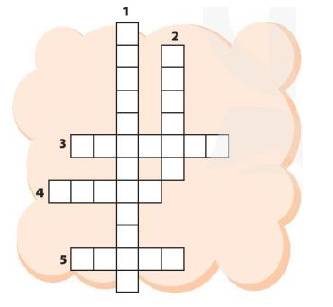
1: kindergarten

2: career

3: surgeon

4: equal

5: treat

10 tháng 9 2023
 

UNICEF Programme

UNDP Project

What / name?

Vaccines for Children

(Vắc xin cho Trẻ em.)

Poverty Reduction

(Giảm nghèo)

What / focus on?

protecting children with life-saving vaccines

(bảo vệ trẻ em bằng vắc-xin cứu mạng)

reducing poverty and developing economy in disadvantaged areas

(xóa đói giảm nghèo và phát triển kinh tế ở những vùng khó khăn)

What / activities?

- educating people about the benefits of vaccines

(giáo dục bảo vệ trẻ em bằng vắc-xin cứu mạng)

- vaccinating as many children as possible

(tiêm chủng cho càng nhiều trẻ em càng tốt)

- providing technical support

(cung cấp hỗ trợ kỹ thuật)

- helping develop solutions to local issues

(giúp phát triển các giải pháp cho các vấn đề địa phương)

A: What is the name of the UNDP Project?

(Tên của dự án UNDP là gì)

B: It’s Poverty Reduction.

(Đó là Giảm nghèo.)

A: What does the project focus on?

(Dự án tập trung vào cái gì?)

B: It focuses on reducing poverty and developing economy in disadvantaged areas.

(Nó tập trung vào việc xóa đói giảm nghèo và phát triển kinh tế ở những vùng khó khăn.)

A: What are the activities of this project?

(Các hoạt động của dự án này là gì?)

B: It provides technical support and helps develop solutions to local issues. What about UNICEF Programme? What is the name of the programme?

(Nó cung cấp hỗ trợ kỹ thuật và giúp phát triển các giải pháp cho các vấn đề địa phương. Chương trình UNICEF thì sao? Tên của chương trình là gì?)

A: It’s Vaccines for Children.

(Đó là Vắc xin cho Trẻ em.)

B: What does the program focus on?

(Chương trình tập trung vào cái gì?)

A: It focuses on protecting children with life-saving vaccines.

(Nó tập trung vào việc bảo vệ trẻ em bằng vắc-xin cứu mạng.)

B: What are the activities of this programme?

(Các hoạt động của chương trình này là gì?)

A: It educates protecting children with life-saving vaccines and vaccinates as many children as possible.

(Nó giáo dục bảo vệ trẻ em bằng vắc-xin cứu mạng và tiêm chủng cho càng nhiều trẻ em càng tốt.)