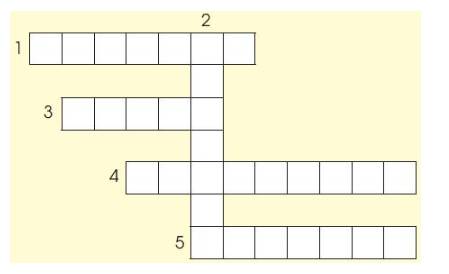
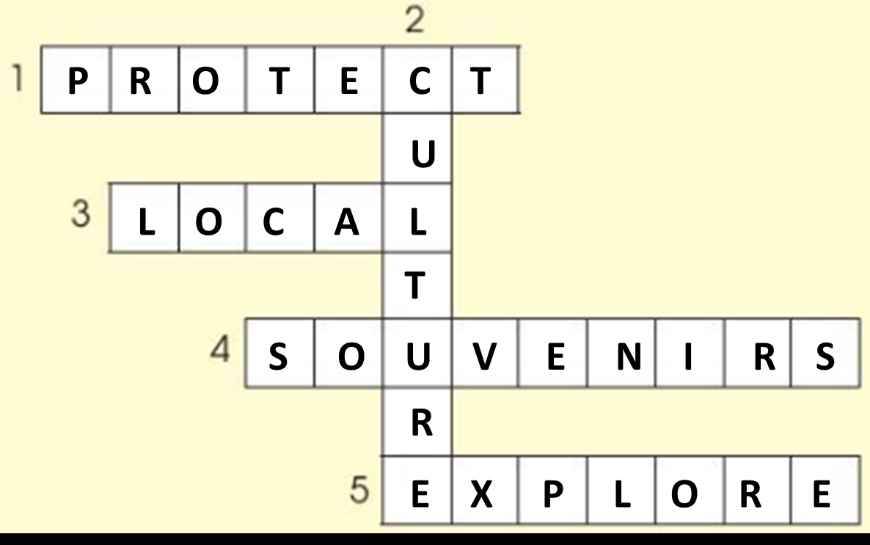
a. Read the definitions, then fill in the blanks with the new words. Listen and repeat.

(Đọ...">

K
Khách

Hãy nhập câu hỏi của bạn vào đây, nếu là tài khoản VIP, bạn sẽ được ưu tiên trả lời.


a. Read the definitions, then fill in the blanks with the new words. Listen and repeat.

(Đọc định nghĩa, sau đó điền các từ mới vào chỗ trống. Nghe và lặp lại.)


1. charity - a group that gives money, food, or help to those who need it

(tổ chức từ thiện = một nhóm cung cấp tiền, thực phẩm hoặc giúp đỡ những người cần nó)

2. volunteer - offer to do something you don't have to do and for no money

(tình nguyện = đề nghị làm điều gì đó bạn không phải làm và không mất tiền)

3. donate - give money or goods to help a person or group

(quyên góp = cho tiền hoặc hàng hóa để giúp đỡ một người hoặc một nhóm)

4. provide- give someone something they need, like education or housing

(cung cấp = cung cấp cho ai đó thứ gì đó họ cần, như giáo dục hoặc nhà ở)

5. raise - cause something to become bigger, better, or higher 

(gây dựng, cải thiện = làm cho một cái gì đó trở nên lớn hơn, tốt hơn hoặc cao hơn)

6. support - help or encourage someone/something

(hỗ trợ = giúp đỡ hoặc khuyến khích ai đó/điều gì đó)

1. I want to donate all my old clothes and toys to help poor children.

2. Students from my school _________________ at the local hospital.

3. The biggest _________________ in my country gave food and blankets to people after the floods.

4. We _________________ free housing to families in poor communities.

5. My parents are going to _________________ my sister while she is studying in college.

6. If we have a craft fair, we can _________________ money to help save the rainforest.

1
11 tháng 9 2023

1. I want to donate all my old clothes and toys to help poor children.

(Tôi muốn quyên góp tất cả quần áo cũ và đồ chơi của mình để giúp đỡ trẻ em nghèo.)

2. Students from my school volunteer at the local hospital.

(Sinh viên trường tôi tình nguyện tại bệnh viện địa phương.)

3. The biggest charity in my country gave food and blankets to people after the floods.

(Tổ chức từ thiện lớn nhất ở đất nước tôi đã trao thực phẩm và chăn màn cho người dân sau lũ lụt.)

4. We provide free housing to families in poor communities.

(Chúng tôi cung cấp nhà ở miễn phí cho các gia đình ở các cộng đồng nghèo.)

5. My parents are going to support my sister while she is studying in college.

(Bố mẹ tôi sẽ hỗ trợ em gái tôi khi cô ấy đang học đại học.)

6. If we have a craft fair, we can raise money to help save the rainforest.

(Nếu chúng ta có một hội chợ thủ công, chúng ta có thể quyên tiền để giúp cứu rừng nhiệt đới.)

2. Read the text and circle the correct meanings of the highlighted words and phrases.(Đọc văn bản và khoanh tròn nghĩa đúng của các từ và cụm từ được đánh dấu.)Gender equality has been greatly promoted around the world. However, there are still many challenges that women face.First of all, there are still girls who are forced to get married before the age of 18. In many places, parents may see child marriage as a way to protect daughters from violence. However,...
Đọc tiếp

2. Read the text and circle the correct meanings of the highlighted words and phrases.

(Đọc văn bản và khoanh tròn nghĩa đúng của các từ và cụm từ được đánh dấu.)

Gender equality has been greatly promoted around the world. However, there are still many challenges that women face.

First of all, there are still girls who are forced to get married before the age of 18. In many places, parents may see child marriage as a way to protect daughters from violence. However, many of these young girls become victims of domestic violence. Child marriage also carries serious health risks as young girls are not physically developed to give birth.

Secondly, more than half of the world's uneducated people are women. This means fewer girls than boys go to school or stay long at school. Girls who receive an education are less likely to marry young. They can also have better job skills and can earn higher salaries. Education gives girls the opportunity to have a better life and give back to their communities.

Thirdly, women are often paid less than men. In other words, women have to work longer than men to earn the same amount of money. Differences in career choices might be one reason. Women tend to become nurses, secretaries, or shop assistants, which are low-paying jobs, while men choose high-paying careers as surgeons, airline pilots, or engineers.

Women are still not equal to men in today's society, and governments, organisations and individuals must work together to achieve gender equality.

1. be forced

a. be made to do something unwanted

b. be made to do something necessary

2. domestic violence

a. action taken to please someone

b. behaviour intended to hurt someone you live with

3. uneducated

a. having little or no formal education at school

b. not having many jobs opportunities

4. low-paying

a. giving money to a person

b. providing very little money

1
14 tháng 8 2023

1. a

2. b

3. a

4. b

2. Read the text and circle the correct meanings of the highlighted words.(Đọc văn bản và khoanh tròn nghĩa đúng của các từ được đánh dấu.)Since UNICEF set up an office in 1975 in Viet Nam, it has run projects in various fields to provide the highest possible support for children in our country. The organisation particularly aims to create opportunities for all children in Viet Nam to attend school, learn and succeed. The following programmes help achieve the UNICEF's...
Đọc tiếp

2. Read the text and circle the correct meanings of the highlighted words.

(Đọc văn bản và khoanh tròn nghĩa đúng của các từ được đánh dấu.)

Since UNICEF set up an office in 1975 in Viet Nam, it has run projects in various fields to provide the highest possible support for children in our country. The organisation particularly aims to create opportunities for all children in Viet Nam to attend school, learn and succeed. The following programmes help achieve the UNICEF's education aims for Viet Nam.

Education for Disadvantaged Young People

UNICEF helps disadvantaged teenagers continue their education by offering them job training and career advice. They are also taught essential skills for the job market.

Providing Education Opportunities for Children with Disabilities

This programme gives children with disabilities a chance to get access to and benefit from a quality education. It also helps promote equal participation in society and a culture in which people respect each other.

Improving Learning Achievements

This is another practical programme supported by UNICEF. The aim is to better prepare children for the challenges in the future. UNICEF helps Viet Nam in joining regional educational programmes to improve children's learning achievements. When they leave school, they should have the necessary skills and knowledge to work in a fast-changing world.

1. create

a. make something happen 

b. increase something

c. refuse something

2. essential

a. usual

b. necessary

c. successful

3. respect

a. have a good opinion of somebody

b. look down on somebody

c. get on well with somebody

4. practical

a. connected with organisations

b. connected with ideas

c. connected with real situations

2
14 tháng 8 2023

1. a

2. b

3. a

4. c

10 tháng 9 2023

1. a

2. b

3. a

4. c

1. create (v): tạo ra

a. make something happen

(làm cho một cái gì đó xảy ra)

b. increase something

(tăng cái gì đó)

c. refuse something

(từ chối điều gì đó)

2. essential (adj): cần thiết

a. usual

(thường)

b. necessary

(cần thiết)

c. successful

(thành công)

3. respect (v): tôn trọng

a. have a good opinion of somebody

(có quan điểm tốt về ai đó)

b. look down on somebody

(khinh thường ai đó)

c. get on well with somebody

(có mối quan hệ tốt với người nào đó)

4. practical (adj): thực tiễn

a. connected with organisations

(kết nối với các tổ chức)

b. connected with ideas

(kết nối với các ý tưởng)

c. connected with real situations

(kết nối với các tình huống thực tế)

1. Read the text. Match the highlighted words with their meanings.(Đọc văn bản. Nối các từ được làm nổi bật với nghĩa của chúng.)The more people travel, the bigger impact they may have on the environment. How can we reduce it while travelling? Here are some advice.Reduce your carbon footprint while travelling. Since flying produces more carbon footprint than any other means of transport, you should only fly when the trip is long. During the trip, you should walk, cycle...
Đọc tiếp

1. Read the text. Match the highlighted words with their meanings.

(Đọc văn bản. Nối các từ được làm nổi bật với nghĩa của chúng.)

The more people travel, the bigger impact they may have on the environment. How can we reduce it while travelling? Here are some advice.

Reduce your carbon footprint while travelling. Since flying produces more carbon footprint than any other means of transport, you should only fly when the trip is long. During the trip, you should walk, cycle or use public transport as much as you can. This not only helps to keep the environment clean, but also allows you to enjoy the beauty of nature and interact with local people. 

Choose eco-friendly activities that benefit animals and the ecosystem. Avoid activities that allow you to touch or ride animals because they disturb their natural patterns and attract many people. Instead, visit wildlife parks or organic farms. These will help you understand and respect the nature more and stop doing things that harm the environment.

Words

Meanings

1. interact 

a. to be good for someone or something 

2. benefit 

b. to talk or do things with other people 

3. disturb 

c. to interrupt what people are doing and make them angry 

3
6 tháng 2 2023

1B

2A

3C

6 tháng 2 2023

1. Read the text. Match the highlighted words with their meanings.

(Đọc văn bản. Nối các từ được làm nổi bật với nghĩa của chúng.)

The more people travel, the bigger impact they may have on the environment. How can we reduce it while travelling? Here are some advice.

Reduce your carbon footprint while travelling. Since flying produces more carbon footprint than any other means of transport, you should only fly when the trip is long. During the trip, you should walk, cycle or use public transport as much as you can. This not only helps to keep the environment clean, but also allows you to enjoy the beauty of nature and interact with local people. 

Choose eco-friendly activities that benefit animals and the ecosystem. Avoid activities that allow you to touch or ride animals because they disturb their natural patterns and attract many people. Instead, visit wildlife parks or organic farms. These will help you understand and respect the nature more and stop doing things that harm the environment.
 

Answer:

1. interact ->b: to talk or do things with other people.
2. benefit ->a: to be good for someone or something.

3. disturb ->c: to interrupt what people are doing and make them angry.
6 tháng 2 2023

1: peacekeeping

2: harm

3: expert

4: investors

11 tháng 9 2023

1. Did Harry know the person who fell into the water? (Harry có biết ai là người bị ngã xuống nước không?)

Maybe that was a friend of Harry. (Có lẽ là một người bạn của Harry.)

2. Did they fight or help each other? (Họ đánh nhau hay giúp đỡ nhau?)

They were fighting. (Họ đang đánh nhau.)

3. What happened to the boat? (Chuyện gì đã xảy ra với con thuyền?)

The boat stopped moving. (Con thuyền ngừng di chuyển.)

4. Did Harry return to the shore or get on the boat? (Harry quay vào bờ hay lên thuyền?)

He got on the boat. (Anh ta lên thuyền.)

5. What happened next? (Chuyện gì xảy ra tiếp theo?)

Harry saved the person who fell into the water. (Harry đã cứu người bị rớt xuống nước.)

2. Join the following sentences. Use who, that, which or whose. Add commas where necessary.(Nối các câu sau. Sử dụng who, that, which hoặc whose. Thêm dấu phẩy nếu cần thiết.)1. My brother teaches me how to use a laptop. He is good at computers. => My brother _________________________________________________________________________.2. Peter is a friend of mine. His sister is taking an online maths course. => Peter...
Đọc tiếp

2. Join the following sentences. Use who, that, which or whose. Add commas where necessary.

(Nối các câu sau. Sử dụng who, that, which hoặc whose. Thêm dấu phẩy nếu cần thiết.)

1. My brother teaches me how to use a laptop. He is good at computers. 

=> My brother _________________________________________________________________________.

2. Peter is a friend of mine. His sister is taking an online maths course. 

=> Peter ______________________________________________________________________________.

3. Lan has read the book. I lent her the book. 

=> Lan _______________________________________________________________________________.

4. The boy has designed this invention. He is only 10 years old.

=> The boy___________________________________________________________________________.

5. That app is easy to use. It can help improve your English pronunciation.

=> That app __________________________________________________________________________.

1
6 tháng 2 2023

1.My brother,who is good at computers,teaches me how to use a laptop

2.Peter,whose sister is taking an online maths course,is a friend of mine

3.Lan has read the book which I lent her

4.The boy who is only 10 years old has designed this invention

5.That app,which can help improve your English pronunciation,is easy to use

5 tháng 2 2023

 generous

remote

donate

benefit

volunteers

2. Work in pairs. Discuss which of the things in 1 we should or should not do to become ecotourists. Use the expressions below to help you.(Làm việc theo cặp. Thảo luận về những điều trong bài 1 chúng ta nên làm hoặc không nên làm để trở thành nhà du lịch sinh thái. Sử dụng các cụm dưới đây để giúp bạn.)Useful expressions:... should (not) / ought (not) to / do sth.Example: We should not litter on the beach or the street.(Ví dụ: Chúng ta...
Đọc tiếp

2. Work in pairs. Discuss which of the things in 1 we should or should not do to become ecotourists. Use the expressions below to help you.

(Làm việc theo cặp. Thảo luận về những điều trong bài 1 chúng ta nên làm hoặc không nên làm để trở thành nhà du lịch sinh thái. Sử dụng các cụm dưới đây để giúp bạn.)

Useful expressions:

... should (not) / ought (not) to / do sth.

Example: We should not litter on the beach or the street.

(Ví dụ: Chúng ta không nên xả rác trên bãi biển hoặc đường phố.)

One of the things ... can / should (not) do / is (to) do sth.

Example: One of the things we should not do is to litter on the beach or the street.

(Ví dụ: Một trong những điều chúng ta không nên làm là xả rác trên bãi biển hoặc đường phố.)

I suggest that ... (should / should not) do sth.

Example: I suggest that we should not litter on the beach or the street.

(Ví dụ: Tôi đề nghị rằng chúng ta không nên xả rác trên bãi biển hoặc đường phố.)

It will (be better / good ...) / do / avoid doing sth.

Example: It will be better for the environment if we avoid littering on the beach or the street.

(Ví dụ: Sẽ tốt hơn cho môi trường nếu chúng ta tránh xả rác trên bãi biển hoặc đường phố.)

1
11 tháng 9 2023

We ought not to hunt wild animals.

(Chúng ta không nên săn bắt động vật hoang dã.)

One of the things we should do is to avoid crowded places.

(Một trong những điều chúng ta nên làm là tránh những nơi đông người.)

I suggest that we should not waste water and electricity.

(Tôi đề nghị rằng chúng ta không nên lãng phí nước và điện.)

It will be better following walking paths and trails.

(Sẽ tốt hơn khi đi theo những con đường đi bộ và đường mòn.)

6 tháng 2 2023

1: who

2: which/that

3: which

4: whose

5: that/which

6: who