K
Khách

Hãy nhập câu hỏi của bạn vào đây, nếu là tài khoản VIP, bạn sẽ được ưu tiên trả lời.

11 tháng 9 2023

Đáp án: a. Women's rights in the past (Quyền của phụ nữ trong quá khứ)

11 tháng 9 2023

Phương pháp giải:

Bài nghe: 

Emma: Excuse me, Grandma, can you help me with my history project?

Donna: Yes, Emma. What would you like to know?

Emma: I'm trying to find out what life was like for women a hundred years ago.

Donna: Well, I'm not that old, but I can tell you what it was like for my mother.

Emma: Great. Is it true that women couldn't vote a hundred years ago?

Donna: That's right. Women won the right to vote in 1920.

Emma: What other things couldn't women do?

Donna: They couldn't do a lot of jobs. Most women stayed at home or did low paid jobs.

Emma: What kind of jobs were they able to do?

Donna: Store clerks, office workers, and factory workers. Things like that.

Emma: How much money did they earn?

Donna: Not much. My mom worked in a shoe factory, and she watched men earn more money than her, even though they were doing the same job.

Emma: What? That's not fair!

Donna: I know. It made her really angry. It wasn't until the 1960s that the government made employers pay their workers equally.

Emma: Were women allowed to own property back then?

Donna: Yes, but it wasn't easy. Banks wouldn't let unmarried women borrow money.

Emma: Really?

Donna: Yes. Banks would lend money to married women, but the husband still owned the property.

Emma: Thanks so much, Grandma.

Donna: You're welcome.

Tạm dịch:

Emma: Xin lỗi, bà có thể giúp cháu với dự án lịch sử của cháu không ạ?

Donna: Ừm, Emma. Cháu muốn biết về điều gì?

Emma: Cháu đang cố gắng tìm hiểu xem cuộc sống của phụ nữ một trăm năm trước như thế nào.

Donna: Chà, bà không già đến thế, nhưng bà có thể kể cho cháu nghe mẹ của bà đã như thế nào.

Emma: Tuyệt vời. Có đúng là phụ nữ không thể bầu cử một trăm năm trước không ạ?

Donna: Đúng vậy. Phụ nữ đã giành được quyền bầu cử vào năm 1920.

Emma: Phụ nữ không thể làm những việc gì khác ạ?

Donna: Họ không thể làm được nhiều việc. Hầu hết phụ nữ ở nhà hoặc làm những công việc được trả lương thấp.

Emma: Họ có thể làm những công việc gì ạ?

Donna: Nhân viên cửa hàng, nhân viên văn phòng và công nhân nhà máy. Đại loại như thế.

Emma: Họ đã kiếm được bao nhiêu tiền?

Donna: Không nhiều. Mẹ của bà làm việc trong một xưởng đóng giày, và bà chứng kiến những người đàn ông kiếm được nhiều tiền hơn mình, mặc dù họ làm cùng một công việc.

Emma: Thật ạ? Điều đó không công bằng!

Donna: Bà biết. Nó khiến bà ấy thực sự tức giận. Mãi cho đến những năm 1960, chính phủ mới yêu cầu người sử dụng lao động trả công bằng cho công nhân của họ.

Emma: Hồi đó phụ nữ có được phép sở hữu tài sản không ạ?

Donna: Có, nhưng nó không dễ dàng. Các ngân hàng sẽ không cho phụ nữ chưa lập gia đình vay tiền.

Emma: Thật ạ?

Donna: Ừm. Các ngân hàng sẽ cho phụ nữ đã lập gia đình vay tiền, nhưng người chồng vẫn sở hữu tài sản.

Emma: Cảm ơn bà nhiều lắm ạ.

Donna: Không có gì cháu à.

10 tháng 9 2023
 

UNICEF Programme

UNDP Project

What / name?

Vaccines for Children

(Vắc xin cho Trẻ em.)

Poverty Reduction

(Giảm nghèo)

What / focus on?

protecting children with life-saving vaccines

(bảo vệ trẻ em bằng vắc-xin cứu mạng)

reducing poverty and developing economy in disadvantaged areas

(xóa đói giảm nghèo và phát triển kinh tế ở những vùng khó khăn)

What / activities?

- educating people about the benefits of vaccines

(giáo dục bảo vệ trẻ em bằng vắc-xin cứu mạng)

- vaccinating as many children as possible

(tiêm chủng cho càng nhiều trẻ em càng tốt)

- providing technical support

(cung cấp hỗ trợ kỹ thuật)

- helping develop solutions to local issues

(giúp phát triển các giải pháp cho các vấn đề địa phương)

A: What is the name of the UNDP Project?

(Tên của dự án UNDP là gì)

B: It’s Poverty Reduction.

(Đó là Giảm nghèo.)

A: What does the project focus on?

(Dự án tập trung vào cái gì?)

B: It focuses on reducing poverty and developing economy in disadvantaged areas.

(Nó tập trung vào việc xóa đói giảm nghèo và phát triển kinh tế ở những vùng khó khăn.)

A: What are the activities of this project?

(Các hoạt động của dự án này là gì?)

B: It provides technical support and helps develop solutions to local issues. What about UNICEF Programme? What is the name of the programme?

(Nó cung cấp hỗ trợ kỹ thuật và giúp phát triển các giải pháp cho các vấn đề địa phương. Chương trình UNICEF thì sao? Tên của chương trình là gì?)

A: It’s Vaccines for Children.

(Đó là Vắc xin cho Trẻ em.)

B: What does the program focus on?

(Chương trình tập trung vào cái gì?)

A: It focuses on protecting children with life-saving vaccines.

(Nó tập trung vào việc bảo vệ trẻ em bằng vắc-xin cứu mạng.)

B: What are the activities of this programme?

(Các hoạt động của chương trình này là gì?)

A: It educates protecting children with life-saving vaccines and vaccinates as many children as possible.

(Nó giáo dục bảo vệ trẻ em bằng vắc-xin cứu mạng và tiêm chủng cho càng nhiều trẻ em càng tốt.)

3. Work in groups. Choose an environmental problem in 1 and make a presentation on the solutions to it. Use the expressions below to help you.(Làm việc nhóm. Chọn một vấn đề môi trường trong bài 1 và trình bày các giải pháp cho vấn đề đó. Sử dụng các cụm từ dưới đây để giúp bạn.)Useful expressionsWelcoming the audience and introducing the topic(Chào khán giả và giới thiệu chủ đề)Hi everyone.(Chào mọi người.)Good morning/...
Đọc tiếp

3. Work in groups. Choose an environmental problem in 1 and make a presentation on the solutions to it. Use the expressions below to help you.

(Làm việc nhóm. Chọn một vấn đề môi trường trong bài 1 và trình bày các giải pháp cho vấn đề đó. Sử dụng các cụm từ dưới đây để giúp bạn.)

Useful expressions

Welcoming the audience and introducing the topic

(Chào khán giả và giới thiệu chủ đề)

Hi everyone.

(Chào mọi người.)

Good morning/ afternoon.

(Chào buổi sáng / buổi chiều.)

I’m here today to talk about/ discuss …

(Hôm nay tôi ở đây để nói về / thảo luận…)

I’d like to talk about …

(Tôi muốn nói về…)

Today, I’d like to share with you …

(Hôm nay, tôi muốn chia sẻ với bạn…)

Introducing the first point/ idea

(Giới thiệu quan điểm/ ý tưởng đầu tiên)

Firstly, the problem can be solved by …

(Thứ nhất, vấn đề có thể được giải quyết bằng…)

The first solution is to …

(Giải pháp đầu tiên là…)

Introducing the second point/ idea

(Giới thiệu quan điểm / ý tưởng thứ hai)

My next point is …

(Điểm tiếp theo của tôi là…)

Another solution is to …

(Một giải pháp khác là…)

Finishing the presentation and thanking the audience

(Kết thúc bài thuyết trình và cảm ơn khán giả)

That concludes our presentation.

(Điều đó kết thúc bài thuyết trình của chúng tôi.)

That’s the end of our presentation today.

(Đó là phần cuối của bài thuyết trình của chúng ta ngày hôm nay.)

Thank you for listening.

(Cám ơn vì đã lắng nghe.)

Thank you for your attention.

(Cảm ơn vì sự quan tâm của bạn.)

1
10 tháng 9 2023

Good morning. Today, I’d like to share with you about the solutions to one of the most significant problems in our city - deforestation. Firstly, the problem can be solved by recycling paper, plastics, and wood products. My next point is introducing strict laws to prevent the cutting of natural forests. Another solution is to educate our friends, family, and community by sharing the deforestation facts, and its causes and effects. That’s the end of our presentation today. Thank you for your attention.

Tạm dịch:

Buổi sáng tốt lành. Hôm nay, tôi muốn chia sẻ với các bạn về giải pháp cho một trong những vấn đề nổi bật nhất ở thành phố của chúng ta - nạn phá rừng. Thứ nhất, vấn đề có thể được giải quyết bằng cách tái chế giấy, nhựa và các sản phẩm từ gỗ. Giải pháp tiếp theo của tôi là đưa ra luật nghiêm khắc để ngăn chặn việc chặt phá rừng tự nhiên. Một giải pháp khác là giáo dục bạn bè, gia đình và cộng đồng của chúng ta bằng cách chia sẻ sự thật về nạn phá rừng, nguyên nhân và hậu quả của nó. Bài thuyết trình hôm nay đến đây là hết. Cảm ơn các bạn vì đã chú ý lắng nghe.

1. Work in pairs. Decide which jobs are traditionally considered male or female. Use the expressions given to help you.(Làm việc theo cặp. Quyết định những công việc theo truyền thống được cho là nam hay nữ làm. Sử dụng các cụm được cung cấp để giúp bạn.)JobsMenWomen1. Surgeons  2. Shop assistants  3. Nurses  4. Airline pilots  5. Firefighters  6. Kindergarten teachers  7. Engineers  8. Secretaries  Useful expressions: (Các cách...
Đọc tiếp

1. Work in pairs. Decide which jobs are traditionally considered male or female. Use the expressions given to help you.

(Làm việc theo cặp. Quyết định những công việc theo truyền thống được cho là nam hay nữ làm. Sử dụng các cụm được cung cấp để giúp bạn.)

Jobs

Men

Women

1. Surgeons


2. Shop assistants


3. Nurses


4. Airline pilots


5. Firefighters


6. Kindergarten teachers


7. Engineers


8. Secretaries


Useful expressions: (Các cách trình bày hữu ích)

- I think / I believe (that) …

(Tôi nghĩ/tôi tin rằng…)

- There are many more male (surgeons) than female (surgeons).

(Có nhiều nam (bác sĩ phẫu thuật) hơn nữ (bác sĩ phẫu thuật).)

- Men/ Women traditionally work as (firefighters) …

(Nam/ Nữ truyền thống làm công việc như (lính cứu hỏa) …)

- (Nursing) jobs are done by men / women.

(Công việc (Điều dưỡng) do nam/nữ đảm nhận.)

- The (nurse’s) job is traditionally done by men / women.

(Công việc (y tá) theo truyền thống được thực hiện bởi nam giới/nữ giới.)

1
9 tháng 9 2023

Jobs

(Công việc)

Men

(Nam)

Women

(Nữ)

1. Surgeons

(Bác sĩ giải phẫu)

✓


2. Shop assistants

(Nhân viên bán hàng)


✓

3. Nurses

(Y tá)


✓

4. Airline pilots

(Phi công)

✓


5. Firefighters

(Lính cứu hỏa)

✓


6. Kindergarten teachers

(Giáo viên mầm non)


✓

7. Engineers

(Kỹ sư)

✓


8. Secretaries

(Thư ký)


✓

- I believe (that) surgeons are traditionally considered male.

(Tôi tin rằng (rằng) bác sĩ phẫu thuật theo truyền thống được cho là nam giới làm.)

- There are many more female shop assistants than male shop assistants.

(Có nhiều nữ nhân viên bán hàng hơn nam nhân viên bán hàng.)

- Men traditionally work as airline pilots.

(Nam giới theo truyền thống thường làm phi công hàng không.)

- Nursing jobs are traditionally done by women.

(Công việc điều dưỡng theo truyền thống là phụ nữ làm.)

- The firefighter’s job is traditionally done by men.

(Công việc của lính cứu hỏa theo truyền thống là nam giới làm.)

- I think (that) surgeons are traditionally considered female.

(Tôi nghĩ (rằng) bác sĩ phẫu thuật theo truyền thống được cho là nữ giới làm.)

- Men traditionally work as engineers.

(Nam giới theo truyền thống thường làm kỹ sư.)

- There are many more female secretaries than male secretaries.

(Có nhiều nữ thư ký hơn nam thư ký.)

- Kindergarten teaching jobs are traditionally done by women.

(Công việc dạy học mầm non theo truyền thống là phụ nữ làm.)

2. Rewrite these sentences about Hoi An villages. Use the expressions below to help you.(Viết lại những câu này về các làng quê Hội An. Sử dụng các cấu trúc diễn đạt dưới đây để giúp bạn.)1. Hoi An villages are famous for their beautiful vegetable and herb gardens.=> __________________ well-known ________________________.2. Tourists can work on a local farm in the morning.=> _____________________ spend________________________.3. Tourists should buy...
Đọc tiếp

2. Rewrite these sentences about Hoi An villages. Use the expressions below to help you.

(Viết lại những câu này về các làng quê Hội An. Sử dụng các cấu trúc diễn đạt dưới đây để giúp bạn.)

1. Hoi An villages are famous for their beautiful vegetable and herb gardens.

=> __________________ well-known ________________________.

2. Tourists can work on a local farm in the morning.

=> _____________________ spend________________________.

3. Tourists should buy handmade products to help local businesses.

=> __________________ recommended ________________________.

Useful expressions:

What is special about the place? 

(Điều gì đặc biệt về nơi này?)

- … is / are famous for sth. 

(... nổi tiếng về...)

- … is / are well-known for sth. 

(... nổi tiếng về...)

What can tourists do / explore there?

(Du khách có thể làm gì ở đây?)

- ... can enjoy doing sth.

(... có thể thích...)

- … can spend time doing sth.

(...có thể dành thời gian...)

- Favourite leisure activities are / include doing sth.

(Những hoạt động giải trí yêu thích là...)

What can tourists do to make their trip more eco-friendly?

(Du khách có thể làm gì để chuyến đi của họ thân thiện với môi trường hơn?)

- ... ought (not) to / should (not) do sth…

(... nên (không nên)...)

- … are encouraged / recommended (nor) to do sth. 

(... được khuyến khích/ đề xuất...)

2
6 tháng 2 2023

1. Hoi An villages are well - known  for their beautiful vegetable and herb gardens.

2. Tourists can spend the morning on a local farm

3. Tourists recommended to buy handmade products to help local businesses.

6 tháng 2 2023

Hoi An villages are well-known for their beautiful vegetable and herb gardens

Tourists can spend the morning working on a local farm

Tourists are recommended to buy handmade products to help local businesses

2. Read the text and circle the correct meanings of the highlighted words.(Đọc văn bản và khoanh tròn nghĩa đúng của các từ được đánh dấu.)Since UNICEF set up an office in 1975 in Viet Nam, it has run projects in various fields to provide the highest possible support for children in our country. The organisation particularly aims to create opportunities for all children in Viet Nam to attend school, learn and succeed. The following programmes help achieve the UNICEF's...
Đọc tiếp

2. Read the text and circle the correct meanings of the highlighted words.

(Đọc văn bản và khoanh tròn nghĩa đúng của các từ được đánh dấu.)

Since UNICEF set up an office in 1975 in Viet Nam, it has run projects in various fields to provide the highest possible support for children in our country. The organisation particularly aims to create opportunities for all children in Viet Nam to attend school, learn and succeed. The following programmes help achieve the UNICEF's education aims for Viet Nam.

Education for Disadvantaged Young People

UNICEF helps disadvantaged teenagers continue their education by offering them job training and career advice. They are also taught essential skills for the job market.

Providing Education Opportunities for Children with Disabilities

This programme gives children with disabilities a chance to get access to and benefit from a quality education. It also helps promote equal participation in society and a culture in which people respect each other.

Improving Learning Achievements

This is another practical programme supported by UNICEF. The aim is to better prepare children for the challenges in the future. UNICEF helps Viet Nam in joining regional educational programmes to improve children's learning achievements. When they leave school, they should have the necessary skills and knowledge to work in a fast-changing world.

1. create

a. make something happen 

b. increase something

c. refuse something

2. essential

a. usual

b. necessary

c. successful

3. respect

a. have a good opinion of somebody

b. look down on somebody

c. get on well with somebody

4. practical

a. connected with organisations

b. connected with ideas

c. connected with real situations

2
14 tháng 8 2023

1. a

2. b

3. a

4. c

10 tháng 9 2023

1. a

2. b

3. a

4. c

1. create (v): tạo ra

a. make something happen

(làm cho một cái gì đó xảy ra)

b. increase something

(tăng cái gì đó)

c. refuse something

(từ chối điều gì đó)

2. essential (adj): cần thiết

a. usual

(thường)

b. necessary

(cần thiết)

c. successful

(thành công)

3. respect (v): tôn trọng

a. have a good opinion of somebody

(có quan điểm tốt về ai đó)

b. look down on somebody

(khinh thường ai đó)

c. get on well with somebody

(có mối quan hệ tốt với người nào đó)

4. practical (adj): thực tiễn

a. connected with organisations

(kết nối với các tổ chức)

b. connected with ideas

(kết nối với các ý tưởng)

c. connected with real situations

(kết nối với các tình huống thực tế)

9 tháng 9 2023

I think that both men and women can do the surgeon’s job well. First of all, men and women have the same abilities to learn and apply medical knowledge. Besides, women can be as mentally strong as men. Therefore, women can perform long and tiring operations as well. Finally, both men and women can make great surgeons.

(Tôi nghĩ rằng cả nam và nữ đều có thể làm tốt công việc của bác sĩ phẫu thuật. Trước hết, nam và nữ có khả năng học hỏi và ứng dụng kiến thức y học như nhau. Bên cạnh đó, nữ giới có thể mạnh mẽ về mặt tinh thần như nam giới. Do đó, nữ giới cũng có thể thực hiện các ca mổ kéo dài và mệt mỏi. Cuối cùng, cả nam và nữ đều có thể làm bác sĩ phẫu thuật tuyệt vời.)

2. Work in pairs. Discuss why the jobs mentioned in 1 are traditionally done by men or women. Use the ideas below to help you.(Làm việc theo cặp. Thảo luận về lý do tại sao các công việc được đề cập trong bài 1 theo truyền thống được làm bởi nam giới hoặc nữ giới. Sử dụng những ý tưởng dưới đây để giúp bạn.)Suggested ideas(Ý tưởng gợi ý)- Good physical strength(Thể lực tốt)- Good communication skills(Kỹ năng...
Đọc tiếp

2. Work in pairs. Discuss why the jobs mentioned in 1 are traditionally done by men or women. Use the ideas below to help you.

(Làm việc theo cặp. Thảo luận về lý do tại sao các công việc được đề cập trong bài 1 theo truyền thống được làm bởi nam giới hoặc nữ giới. Sử dụng những ý tưởng dưới đây để giúp bạn.)

Suggested ideas

(Ý tưởng gợi ý)

- Good physical strength

(Thể lực tốt)

- Good communication skills

(Kỹ năng giao tiếp tốt)

- Ability to work well under pressure

(Có khả năng chịu áp lực công việc tốt)

- Being kind, gentle and caring

(Tốt bụng, nhẹ nhàng và quan tâm)

- Ability to work long hours

(Có khả năng làm việc nhiều giờ)

- Good persuasion skills

(Kỹ năng thuyết phục tốt)

- Flexible working schedule

(Lịch làm việc linh hoạt)

- More time to take care of their families

(Có nhiều thời gian hơn để chăm sóc gia đình)

1
9 tháng 9 2023

Kindergarten teaching jobs are traditionally done by women than men as women are often kind, gentle and caring. Besides, they usually have good communication skills.

(Công việc dạy học mầm non theo truyền thống là nữ giới làm hơn là nam giới vì phụ nữ thường tốt bụng, dịu dàng và chu đáo. Bên cạnh đó, họ thường có kỹ năng giao tiếp tốt.)
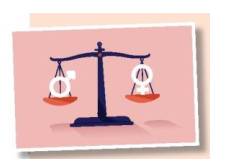
2. Read the text and circle the correct meanings of the highlighted words and phrases.(Đọc văn bản và khoanh tròn nghĩa đúng của các từ và cụm từ được đánh dấu.)Gender equality has been greatly promoted around the world. However, there are still many challenges that women face.First of all, there are still girls who are forced to get married before the age of 18. In many places, parents may see child marriage as a way to protect daughters from violence. However,...
Đọc tiếp

2. Read the text and circle the correct meanings of the highlighted words and phrases.

(Đọc văn bản và khoanh tròn nghĩa đúng của các từ và cụm từ được đánh dấu.)

Gender equality has been greatly promoted around the world. However, there are still many challenges that women face.

First of all, there are still girls who are forced to get married before the age of 18. In many places, parents may see child marriage as a way to protect daughters from violence. However, many of these young girls become victims of domestic violence. Child marriage also carries serious health risks as young girls are not physically developed to give birth.

Secondly, more than half of the world's uneducated people are women. This means fewer girls than boys go to school or stay long at school. Girls who receive an education are less likely to marry young. They can also have better job skills and can earn higher salaries. Education gives girls the opportunity to have a better life and give back to their communities.

Thirdly, women are often paid less than men. In other words, women have to work longer than men to earn the same amount of money. Differences in career choices might be one reason. Women tend to become nurses, secretaries, or shop assistants, which are low-paying jobs, while men choose high-paying careers as surgeons, airline pilots, or engineers.

Women are still not equal to men in today's society, and governments, organisations and individuals must work together to achieve gender equality.

1. be forced

a. be made to do something unwanted

b. be made to do something necessary

2. domestic violence

a. action taken to please someone

b. behaviour intended to hurt someone you live with

3. uneducated

a. having little or no formal education at school

b. not having many jobs opportunities

4. low-paying

a. giving money to a person

b. providing very little money

1
14 tháng 8 2023

1. a

2. b

3. a

4. b

11 tháng 9 2023

 1. accomplishments

 2. employment

 3. preparation

 4. development

 5. dream