
Hãy nhập câu hỏi của bạn vào đây, nếu là tài khoản VIP, bạn sẽ được ưu tiên trả lời.

Dear Mai,
Last year, my family went to Phu Quoc Island. It was hot and sunny there though it was winter. We went there by airplane. When we got there, the first thing we do was booked a room in the hotel. After an hour on the plane, we took a nap in the room. In the afternoon, we went swimming in the sea and at the swimming pool. In the evening, we went to the restaurant to had dinner. Next summer, I hope you'll come with us. Bye!
Nguyet
- I bought 10 ice-cream cones for my classmates. There was one cone that I sprinkled some salt on it.
(Mình mua 10 cây kem ốc quế cho bạn cùng lớp. Đã có một cây kem mình rắc muối lên đó.)
- Luckily, the person I hated chose the cone that had salt in it. She was really upset about the salty cream.
(May mắn là người mình ghét bốc trúng cây kem có muối. Cô ấy có vẻ rất cáu vì vị kem mặn.)
- I was so excited and no one know about the fact. She just thought that it was a mistake from the store.
(Mình rất phấn khích khi không ai biết sự thật. Cô ấy chỉ nghĩ đấy là lỗi của cửa hàng.)
- I didn’t feel bad now. I enjoyed it as a revenge. (Mình không thấy tệ. Mình tận hưởng nó như một sự trả thù.)
Refer
There are several things that we should do to reduce the negative impact of travelling on the environment. First of all, we should reduce our carbon footprint during the trip. We should only fly when the trip is long and choose environmentally-friendly means of transport such as cycling or public transport. The next thing is that wherever we go, we should always protect our environment. By keeping it clean and safe, we can reduce the negative impact of travelling on the environment. In addition, we had better choose activities that are good for local people and the environment. These will not only help us understand but also respect the nature more and stop doing things that harm the environment and local area as well
A: How do you feel when you have an exam in ten minutes?
(Bạn cảm thấy như thế nào khi bạn có bài kiểm tra trong 10 phút nữa ?)
B: I feel really anxious and frightened.
(Tôi cảm thấy lo lắng và hoảng sợ.)
A: How do you feel when your exam finishes?
(Bạn cảm thấy như thế nào khi bài kiểm tra kết thúc?)
B: I feel a bit relieved but very confused.
(Tôi cảm thấy thanh thản nhưng lại rất bối rối.)
A: How do you feel when you see a large spider in your bedroom?
(Bạn cảm thấy như thế nào khi bạn thấy một con nhện lớn trong phòng ngủ?)
B: I feel a bit frightened and shocked.
(Tôi cảm thấy có chút sợ hãi và hốt hoảng.)
A: How do you feel when friends or family members are arguing?
(Bạn cảm thấy như thế nào khi bạn bè hoặc người thân cãi nhau?)
B: I feel very anxious and cross.
(Tôi cảm thấy rất lo lắng và bực bội.)
A: How do you feel when you arrive at a party?
(Bạn cảm thấy như thế nào khi bạn đến một bữa tiệc?)
B: I feel extremely excited.
(Tôi cảm thấy cực kỳ phấn khích.)
A: How do you feel when you can't sleep?
(Bạn cảm thấy như thế nào khi bạn không thể ngủ được?)
B: I feel extremely tired.
(Tôi cảm thấy cực kỳ mệt mỏi.)
Day trip to discover Nha Trang & Yang Bay Waterfall (Chuyến đi trong ngày khám phá Nha Trang & Thác Yang Bay) |
Time to leave: 6.30 a.m. (Thời gian rời đi: 6:30 sáng) |
Trip will take: 5 / ten hours (Chuyến đi sẽ mất: 5 tiếng) |
Activities: (Các hoạt động:) |
- enjoy stunning views of Yang Bay Waterfall (thưởng ngoạn tầm nhìn tuyệt đẹp ra Thác Yang Bay) |
- have lunch at Memento Country Home (ăn trưa tại Memento Country Home) |
- visit Dien Khanh Citadel and Long Son Pagoda (thăm Thành cổ Diên Khánh và chùa Long Sơn) |
- stop at the Po Nagar Cham Towers and discover the intriguing story of the Chams (dừng chân tại Tháp Chàm Po Nagar và khám phá câu chuyện hấp dẫn của người Chăm) |
- experience local life as you stop at villages and markets (trải nghiệm cuộc sống địa phương khi bạn dừng chân tại các ngôi làng và chợ) |
Do not: (Đừng:) |
drop litter or catch fish in the waterfall (xả rác hoặc bắt cá ở thác) |
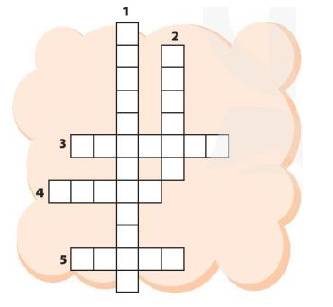
1. did not (didn't) | 2. did | 3. was/ were | 4. could/ couldn't |
a. We form the negative form of the past simple with (1) did not and the infinitive without to. (Chúng ta hình thành thể phủ định của thì quá khứ đơn với “did not” và động từ nguyên mẫu không to.)
I didn’t go out last night.
b. We form the interrogative form of the past simple with (2) did and the infinitive without to. (Chúng ta hình thành thể nghi vấn của thì quá khứ đơn với “did” và động từ nguyên mẫu không to.)
Did Harry text you? Yes, he did. I No, he didn't.
c. We do not use did/ didn't with the verbs (3) was/ were or (4) could/ couldn’t. (Chúng ta không sử dụng “did/ didn’t” với các động từ “was/were hoặc could/couldn’t.)
Was Joe late for school? Yes, he was.
Could you read when you were three? No, I couldn't.
1: who
2: which/that
3: which
4: whose
5: that/which
6: who
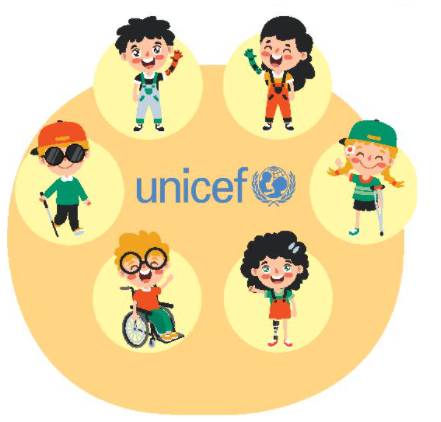
In my opinion, the thing that UNICEF does to support Viet Nam’s education is providing opportunities for all children to attend school and learn and giving disadvantaged teenagers a chance to continue their education.
(Theo tôi, điều mà UNICEF làm để hỗ trợ nền giáo dục Việt Nam là tạo cơ hội cho tất cả trẻ em được đến trường và học tập, và cho thanh thiếu niên có hoàn cảnh khó khăn có cơ hội tiếp tục đi học.)
- Yes, I wrote a resume to apply for a job. My resume included name, age, mail address, phone number, skills, achievements, …
(Vâng, tôi đã viết một sơ yếu lý lịch để nộp đơn xin việc. Sơ yếu lý lịch của tôi bao gồm tên, tuổi, địa chỉ email, số điện thoại, kỹ năng, thành tích, ...)