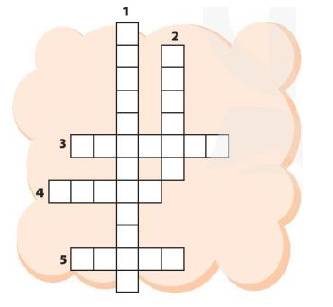
5. Look up these words in a dictionary and add them to the lists you made in exercise 3.

(T...">

K
Khách

Hãy nhập câu hỏi của bạn vào đây, nếu là tài khoản VIP, bạn sẽ được ưu tiên trả lời.

6 tháng 2 2023

1: kindergarten

2: career

3: surgeon

4: equal

5: treat

11 tháng 9 2023

 1. accomplishments

 2. employment

 3. preparation

 4. development

 5. dream

2. Read the text and circle the correct meanings of the highlighted words.(Đọc văn bản và khoanh tròn nghĩa đúng của các từ được đánh dấu.)Since UNICEF set up an office in 1975 in Viet Nam, it has run projects in various fields to provide the highest possible support for children in our country. The organisation particularly aims to create opportunities for all children in Viet Nam to attend school, learn and succeed. The following programmes help achieve the UNICEF's...
Đọc tiếp

2. Read the text and circle the correct meanings of the highlighted words.

(Đọc văn bản và khoanh tròn nghĩa đúng của các từ được đánh dấu.)

Since UNICEF set up an office in 1975 in Viet Nam, it has run projects in various fields to provide the highest possible support for children in our country. The organisation particularly aims to create opportunities for all children in Viet Nam to attend school, learn and succeed. The following programmes help achieve the UNICEF's education aims for Viet Nam.

Education for Disadvantaged Young People

UNICEF helps disadvantaged teenagers continue their education by offering them job training and career advice. They are also taught essential skills for the job market.

Providing Education Opportunities for Children with Disabilities

This programme gives children with disabilities a chance to get access to and benefit from a quality education. It also helps promote equal participation in society and a culture in which people respect each other.

Improving Learning Achievements

This is another practical programme supported by UNICEF. The aim is to better prepare children for the challenges in the future. UNICEF helps Viet Nam in joining regional educational programmes to improve children's learning achievements. When they leave school, they should have the necessary skills and knowledge to work in a fast-changing world.

1. create

a. make something happen 

b. increase something

c. refuse something

2. essential

a. usual

b. necessary

c. successful

3. respect

a. have a good opinion of somebody

b. look down on somebody

c. get on well with somebody

4. practical

a. connected with organisations

b. connected with ideas

c. connected with real situations

2
14 tháng 8 2023

1. a

2. b

3. a

4. c

10 tháng 9 2023

1. a

2. b

3. a

4. c

1. create (v): tạo ra

a. make something happen

(làm cho một cái gì đó xảy ra)

b. increase something

(tăng cái gì đó)

c. refuse something

(từ chối điều gì đó)

2. essential (adj): cần thiết

a. usual

(thường)

b. necessary

(cần thiết)

c. successful

(thành công)

3. respect (v): tôn trọng

a. have a good opinion of somebody

(có quan điểm tốt về ai đó)

b. look down on somebody

(khinh thường ai đó)

c. get on well with somebody

(có mối quan hệ tốt với người nào đó)

4. practical (adj): thực tiễn

a. connected with organisations

(kết nối với các tổ chức)

b. connected with ideas

(kết nối với các ý tưởng)

c. connected with real situations

(kết nối với các tình huống thực tế)

3. Read the Learn this! box. Which different noun suffixes can you find in the text in exercise 1? Which nouns do not have a suffix?(Đọc hộp Learn this! Những hậu tố khác nhau của danh từ nào bạn có thể tìm thấy trong bài đọc bài 1? Danh từ nào không có hậu tố?)LEARN THIS! Related verbs and nounsa. Some nouns are formed by adding a suffix (e.g. -(at)ion. -ment, -ure) to a verb. Other spelling changes may be necessary. (Một vài danh từ hình thành...
Đọc tiếp

3. Read the Learn this! box. Which different noun suffixes can you find in the text in exercise 1? Which nouns do not have a suffix?

(Đọc hộp Learn this! Những hậu tố khác nhau của danh từ nào bạn có thể tìm thấy trong bài đọc bài 1? Danh từ nào không có hậu tố?)

LEARN THIS! Related verbs and nouns

a. Some nouns are formed by adding a suffix (e.g. -(at)ion. -ment, -ure) to a verb. Other spelling changes may be necessary. (Một vài danh từ hình thành bằng cách thêm một hậu tố (vd. -(at)ion. -ment, -ure) vào một động từ. Chính tả có thể thay đổi nếu cần.)

argue (v)- argument (n) fail (v)-failure (n)

translate (v)- translation (n)

b. Some nouns and verbs are identical. (Có những danh từ và động từ giống nhau.)

thunder (v) - thunder (n) fall (v) -fall (n)

c. In dictionaries, related nouns and verbs sometimes appear under the same entry. (Trong các cuốn từ điển, những danh từ và động từ có liên quan đến nhau đôi khi xuất hiện trong cùng một mục từ.)

1
11 tháng 9 2023

-tion: exploration

-ure: adventure

Không có hậu tố: attempt, need, experience, dream

5 tháng 2 2023

 generous

remote

donate

benefit

volunteers

6 tháng 2 2023

1. d

2. c

3. b

4. a

11 tháng 9 2023

1. Did Harry know the person who fell into the water? (Harry có biết ai là người bị ngã xuống nước không?)

Maybe that was a friend of Harry. (Có lẽ là một người bạn của Harry.)

2. Did they fight or help each other? (Họ đánh nhau hay giúp đỡ nhau?)

They were fighting. (Họ đang đánh nhau.)

3. What happened to the boat? (Chuyện gì đã xảy ra với con thuyền?)

The boat stopped moving. (Con thuyền ngừng di chuyển.)

4. Did Harry return to the shore or get on the boat? (Harry quay vào bờ hay lên thuyền?)

He got on the boat. (Anh ta lên thuyền.)

5. What happened next? (Chuyện gì xảy ra tiếp theo?)

Harry saved the person who fell into the water. (Harry đã cứu người bị rớt xuống nước.)

11 tháng 9 2023

1. What was the mother doing? - She was sitting on a bench and talking to the boy.

(Người mẹ đang làm gì? – Cô ấy đang ngồi trên băng ghế và nói chuyện với cậu bé.)

2. What was the boy doing? - He was sitting on a bench and was not looking at his mother.

(Cậu bé đang làm gì? – Cậu bé đang ngồi trên băng ghế và không nhìn vào mẹ cậu ấy.)

3. What was the girl doing? - She was singing quietly and playing with a toy.

(Cô bé đang làm gì? – Cô bé đang hát thầm và chơi đồ chơi.)

4. What were the other travellers doing? - They were shouting greetings, waving goodbye, carrying heavy bags or running to catch trains.

(Những du khách khác đang làm gì? -  (Họ đang chào nhau, vẫy tay tạm biết, mang những túi nặng hoặc chạy để bắt kịp tàu.)

5. What was the tall man doing? - He was standing near the exit and looking straight at the narrator.

(Người đàn ông cao lớn đang làm gì? – Anh ta đang đứng gần lối thoát hiểm và nhìn thẳng vào )

6. What were the cafe owners doing? - They were carrying tables outside.

(Các chủ quán ăn đang làm gì – Họ đang mang bàn ra ngoài.)

7. What was the dog doing? - He was lying on the pavement nearby.

(Con chó đang làm gì? – Nó đang nằm trên vỉa hè gần đó.)

8. What were teenage girls doing? - They were sitting on a bench and sharing headphones.

(Các cô gái teen đang làm gì? – Họ đang ngồi trên một băng ghế và chia sẻ tai nghe.)

6 tháng 2 2023

1.Face to face

2.Online learning

3.Prepare for

4.Strategy

5.Blended learning