2. Read the text and check your ideas from exercise 1.

(Đọc đoạn văn và kiểm tra đáp án của...">

K
Khách

Hãy nhập câu hỏi của bạn vào đây, nếu là tài khoản VIP, bạn sẽ được ưu tiên trả lời.

11 tháng 9 2023

Phương pháp giải:

Tạm dịch:

Cuộc cách mạng máy ảnh

Trong vòng 20 năm qua, cách chúng ta chụp ảnh, lưu trữ ảnh và chia sẻ hình ảnh đã thay đổi. Hầu hết mọi người sử dụng điện thoại thông minh và máy ảnh kỹ thuật số để chụp ảnh, và hàng tỷ bức ảnh đã được tải lên các trang mạng xã hội. Vậy thì máy ảnh phim truyền thống có bị thay thế bởi những tiện ích này hay không? Chưa đâu, nhưng sẽ không còn lâu nữa. Tuy nhiên, mọi thứ sẽ thay đổi một lần nữa. Tiện ích có thể đeo được này cho phép mọi người chụp ảnh chỉ bằng cách nháy mắt. Tin nhắn cũng có thể được gửi đi và thông tin cũng có thể được truy cập bằng những thiết bị đeo được này. Công nghệ vẫn chưa được hoàn thiện, vì vậy những thiết bị này sẽ chưa được bày bán trong các cửa hàng.

Liệu máy ảnh và điện thoại di động có được thay thế bằng thiết bị đeo được này không? Chúng chưa thể bị thay thế nhưng chúng có thể bị soán ngôi sớm hơn chúng ta nghĩ. Điều chắc chắn là cuộc sống của bạn sẽ được thay đổi bởi những thiết bị này theo những cách mà thậm chí ta chưa nghĩ đến.

1. Read the text. Match the highlighted words with their meanings.(Đọc văn bản. Nối các từ được làm nổi bật với nghĩa của chúng.)The more people travel, the bigger impact they may have on the environment. How can we reduce it while travelling? Here are some advice.Reduce your carbon footprint while travelling. Since flying produces more carbon footprint than any other means of transport, you should only fly when the trip is long. During the trip, you should walk, cycle...
Đọc tiếp

1. Read the text. Match the highlighted words with their meanings.

(Đọc văn bản. Nối các từ được làm nổi bật với nghĩa của chúng.)

The more people travel, the bigger impact they may have on the environment. How can we reduce it while travelling? Here are some advice.

Reduce your carbon footprint while travelling. Since flying produces more carbon footprint than any other means of transport, you should only fly when the trip is long. During the trip, you should walk, cycle or use public transport as much as you can. This not only helps to keep the environment clean, but also allows you to enjoy the beauty of nature and interact with local people. 

Choose eco-friendly activities that benefit animals and the ecosystem. Avoid activities that allow you to touch or ride animals because they disturb their natural patterns and attract many people. Instead, visit wildlife parks or organic farms. These will help you understand and respect the nature more and stop doing things that harm the environment.

Words

Meanings

1. interact 

a. to be good for someone or something 

2. benefit 

b. to talk or do things with other people 

3. disturb 

c. to interrupt what people are doing and make them angry 

3
6 tháng 2 2023

1B

2A

3C

6 tháng 2 2023

1. Read the text. Match the highlighted words with their meanings.

(Đọc văn bản. Nối các từ được làm nổi bật với nghĩa của chúng.)

The more people travel, the bigger impact they may have on the environment. How can we reduce it while travelling? Here are some advice.

Reduce your carbon footprint while travelling. Since flying produces more carbon footprint than any other means of transport, you should only fly when the trip is long. During the trip, you should walk, cycle or use public transport as much as you can. This not only helps to keep the environment clean, but also allows you to enjoy the beauty of nature and interact with local people. 

Choose eco-friendly activities that benefit animals and the ecosystem. Avoid activities that allow you to touch or ride animals because they disturb their natural patterns and attract many people. Instead, visit wildlife parks or organic farms. These will help you understand and respect the nature more and stop doing things that harm the environment.
 

Answer:

1. interact ->b: to talk or do things with other people.
2. benefit ->a: to be good for someone or something.

3. disturb ->c: to interrupt what people are doing and make them angry.

2. Read the text and circle the correct meanings of the highlighted words and phrases.(Đọc văn bản và khoanh tròn nghĩa đúng của các từ và cụm từ được đánh dấu.)Gender equality has been greatly promoted around the world. However, there are still many challenges that women face.First of all, there are still girls who are forced to get married before the age of 18. In many places, parents may see child marriage as a way to protect daughters from violence. However,...
Đọc tiếp

2. Read the text and circle the correct meanings of the highlighted words and phrases.

(Đọc văn bản và khoanh tròn nghĩa đúng của các từ và cụm từ được đánh dấu.)

Gender equality has been greatly promoted around the world. However, there are still many challenges that women face.

First of all, there are still girls who are forced to get married before the age of 18. In many places, parents may see child marriage as a way to protect daughters from violence. However, many of these young girls become victims of domestic violence. Child marriage also carries serious health risks as young girls are not physically developed to give birth.

Secondly, more than half of the world's uneducated people are women. This means fewer girls than boys go to school or stay long at school. Girls who receive an education are less likely to marry young. They can also have better job skills and can earn higher salaries. Education gives girls the opportunity to have a better life and give back to their communities.

Thirdly, women are often paid less than men. In other words, women have to work longer than men to earn the same amount of money. Differences in career choices might be one reason. Women tend to become nurses, secretaries, or shop assistants, which are low-paying jobs, while men choose high-paying careers as surgeons, airline pilots, or engineers.

Women are still not equal to men in today's society, and governments, organisations and individuals must work together to achieve gender equality.

1. be forced

a. be made to do something unwanted

b. be made to do something necessary

2. domestic violence

a. action taken to please someone

b. behaviour intended to hurt someone you live with

3. uneducated

a. having little or no formal education at school

b. not having many jobs opportunities

4. low-paying

a. giving money to a person

b. providing very little money

1
14 tháng 8 2023

1. a

2. b

3. a

4. b

2. Read the text and choose the best tittle for it.(Đọc văn bản và chọn tiêu đề hay nhất.)a. Environmental problems: What are they?b. Environmental protection: How important is it?c. Environmental solutions: How practical are they?The environment we live in is facing many serious problems. We need to be aware of these problems so that we can find ways to protect nature.A. Global warming is the rise in the average temperature of the earth's atmosphere. It is one of the biggest...
Đọc tiếp

2. Read the text and choose the best tittle for it.

(Đọc văn bản và chọn tiêu đề hay nhất.)

a. Environmental problems: What are they?

b. Environmental protection: How important is it?

c. Environmental solutions: How practical are they?

The environment we live in is facing many serious problems. We need to be aware of these problems so that we can find ways to protect nature.

A. Global warming is the rise in the average temperature of the earth's atmosphere. It is one of the biggest issues facing humans today. It can have serious consequences such as rising sea levels, polar ice melting, and extreme weather events like floods or heatwaves.

B. Another environmental problem is the cutting and clearing of natural forests. The loss of forests can have a negative impact on the environment. It can damage the natural habitats of many animals and put wildlife in danger. It can also destroy the natural soil and lead to climate change.

C. Air pollution is also a serious problem. It is mainly caused by waste gases that come out of vehicles, machines, or factories. When these harmful gases combine with the water in the air, they come down as rain or snow, which can damage all forms of life. In addition, this problem leads to global warming and climate change. It is also a major cause of respiratory diseases or even lung cancer.

D. Around the world, the number of endangered animals is rising. Many of them disappear because of pollution and climate change. In addition, humans illegally hunt and kill animals, and catch too many fish at once. This is upsetting the natural balance of ecosystems, which can be harmful to all living and non-living things.

2
10 tháng 9 2023

Đoạn A nói về vấn đề nóng lên toàn cầu, đoạn B nói về nạn chặn cây phá rừng tự nhiên, đoạn C nói về ô nhiễm không khí, đoạn D nói về sự tuyệt chủng loài. Đây đều là các vấn đề về môi trường => chọn a.

10 tháng 9 2023

Tạm dịch:

a. Các vấn đề về môi trường: Chúng là gì?

b. Bảo vệ môi trường: Nó quan trọng như thế nào?

c. Các giải pháp môi trường: Chúng thực tế như thế nào?

Môi trường chúng ta sống đang phải đối mặt với nhiều vấn đề nghiêm trọng. Chúng ta cần nhận thức rõ những vấn đề này để có thể tìm cách bảo vệ thiên nhiên.

A. Sự nóng lên toàn cầu là sự gia tăng nhiệt độ trung bình của khí quyển trái đất. Đó là một trong những vấn đề lớn nhất mà con người phải đối mặt ngày nay. Nó có thể gây ra những hậu quả nghiêm trọng như mực nước biển dâng cao, băng tan ở hai cực và các hiện tượng thời tiết khắc nghiệt như lũ lụt hoặc sóng nhiệt.

B. Một vấn đề môi trường khác là chặt phá rừng tự nhiên. Việc mất rừng có thể có tác động tiêu cực đến môi trường. Nó có thể làm hư hại môi trường sống tự nhiên của nhiều loài động vật và khiến động vật hoang dã gặp nguy hiểm. Nó cũng có thể phá hủy đất tự nhiên và dẫn đến biến đổi khí hậu.

C. Ô nhiễm không khí cũng là một vấn đề nghiêm trọng. Nguyên nhân chủ yếu là do khí thải từ xe cộ, máy móc hoặc nhà máy. Khi những khí độc hại này kết hợp với nước trong không khí, chúng sẽ tạo thành mưa hoặc tuyết, có thể gây hại cho mọi dạng sống. Ngoài ra, vấn đề này còn dẫn đến hiện tượng nóng lên toàn cầu và biến đổi khí hậu. Nó cũng là nguyên nhân chính gây ra các bệnh về đường hô hấp hay thậm chí là ung thư phổi.

D. Trên khắp thế giới, số lượng các loài động vật có nguy cơ tuyệt chủng đang tăng lên. Nhiều con trong số chúng biến mất vì ô nhiễm và biến đổi khí hậu. Ngoài ra, còn vì con người săn bắt và giết động vật một cách bất hợp pháp và đánh bắt quá nhiều cá cùng một lúc. Điều này đang làm đảo lộn sự cân bằng tự nhiên của các hệ sinh thái, có thể gây hại cho tất cả các sinh vật sống và không sống.

1. Read the following passage and circle True (T), False (F) or Doesn’t say (DS).(Đọc bài khóa bên dưới và khoanh tròn Đúng (T), Sai (F) hoặc Không nhắc đến (DS).)Be happy!There have been lots of surveys about teenagers and happiness and they all come to different conclusions. Some surveys say that most young people are happiest when they spend time with their family. Others say it's when they're with friends. Some teenagers think that getting good marks at school and...
Đọc tiếp

1. Read the following passage and circle True (T), False (F) or Doesn’t say (DS).

(Đọc bài khóa bên dưới và khoanh tròn Đúng (T), Sai (F) hoặc Không nhắc đến (DS).)

Be happy!

There have been lots of surveys about teenagers and happiness and they all come to different conclusions. Some surveys say that most young people are happiest when they spend time with their family. Others say it's when they're with friends. Some teenagers think that getting good marks at school and passing exams make them happy, while others feel that it's having a boyfriend or girlfriend. The problem is that there isn't just one thing that makes everyone happy, and what made you happy last week might not make you happy next week! However, there are some things that can help improve your mood when you are feeling unhappy. Experts believe that exercise can make you a happier person because it releases chemicals in your brain that are related to a feeling of pleasure. There's another surprising idea to help make you happier. Although you might think that eating chocolate is bad for you, it seems, according to some experts, to be good to eat chocolate when you're feeling sad. Of course it isn't healthy to eat too much, but chocolate releases chemicals in the same way that exercise does - and for some people it's easier and quicker than working out in the gym! It's also important to remember that you can’t be happy all the time. You can be happy for brief moments and you should value these times. And when you feel sad, go for a run or eat some chocolate - you'll soon cheer up!

1. The surveys show that teenagers and parents have different ideas about happiness. T F DS 

2. The things that make us happy never change. T F DS 

3. The surveys show that teenagers who do exercise are happier. T F DS 

4. When we feel depressed we shouldn't eat chocolate. T F DS 

5. Exercise and eating chocolate can produce similar results. T F DS 

6. It’s important to value even short moments of happiness. T F DS

2
7 tháng 2 2023

1DS

2F

3T

4F

5T

6F

11 tháng 9 2023

1. DS

2. F

The things that make us happy never change.

(Điều khiến chúng ta hạnh phúc không bao giờ thay đổi.)

Thông tin: …and what made you happy last week might not make you happy next week!

(và những gì khiến bạn hạnh phúc vào tuần trước có thể sẽ không khiến bạn vui vào tuần tiếp theo!)

3. T

The surveys show that teenagers who do exercise are happier.

(Các khảo sát cho thấy trẻ vị thành niên nào tập thể dục thì hạnh phúc hơn.)

Thông tin: Experts believe that exercise can make you a happier person because it releases chemicals in your brain that are related to a feeling of pleasure.

(Các chuyện gia tin rằng việc tập thể dục có thể khiến bạn trở nên vui vẻ hơn vì nó tiết ra các chất hóa học mà đem lại cảm giác sảng khoái trong não của bạn.)

4. F

When we feel depressed we shouldn't eat chocolate.

(Khi ta cảm thấy buồn bã ta không nên ăn sô cô la.)

Thông tin: … it seems, according to some experts, to be good to eat chocolate when you're feeling sad.

(…dường như, theo các chuyện gia, thì ăn sô cô la sẽ tốt khi bạn đang buồn.)

5. T

Exercise and eating chocolate can produce similar results.

(Tập thể dục và ăn sô cô la có thể cho ra kết quả như nhau.)

Thông tin: And when you feel sad, go for a run or eat some chocolate - you'll soon cheer up!

(Và khi bạn buồn, đi chạy bộ hoặc ăn một ít sô cô la – bạn sẽ sớm vui trở lại thôi!)

6. F

It’s important to value even short moments of happiness.

(Trân trọng những khoảnh khắc hạnh phúc dù ngắn ngủi là một điều quan trọng)

Thông tin: You can be happy for brief moments and you should value these times.

(Bạn có thể hạnh phúc trong những khoảng thời gian ngắn và bạn nên trân trọng những lúc như thế.)
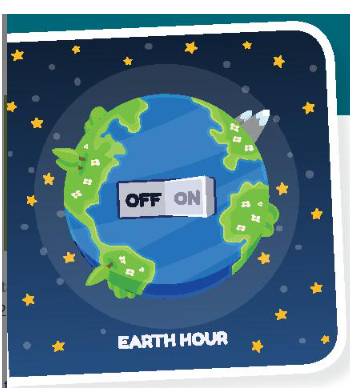
1. Read the text and complete each blank of the fact file about Earth Hour with ONE word.(Đọc văn bản và hoàn thành từng ô trống của tệp thông tin thực tế về Giờ Trái đất bằng MỘT từ.)EARTH HOUREarth Hour is a global event organised by the World Wide Fund for Nature (WWF). Held every year, it encourages people and businesses to turn off their lights and other unnecessary electrical devices for one hour from 8:30 p.m. to 9:30 p.m. on the last Saturday of...
Đọc tiếp

1. Read the text and complete each blank of the fact file about Earth Hour with ONE word.

(Đọc văn bản và hoàn thành từng ô trống của tệp thông tin thực tế về Giờ Trái đất bằng MỘT từ.)

EARTH HOUR

Earth Hour is a global event organised by the World Wide Fund for Nature (WWF). Held every year, it encourages people and businesses to turn off their lights and other unnecessary electrical devices for one hour from 8:30 p.m. to 9:30 p.m. on the last Saturday of March. Earth Hour was started as a lights-out event in Sydney, Australia, in 2007. Since then, it has grown to become an international movement for the environment, happening in more than 7,000 cities and towns across 187 countries and territories.

Earth Hour has created a positive environmental impact. It shows the public support for protecting the environment and saving the planet. It also draws attention to climate change and global energy issues, and promotes green activities worldwide.

Viet Nam joined the event in 2009 and has been an active and keen supporter since then. Besides switching off lights, people can take part in a number of activities to raise awareness of environmental problems and call for action for climate, people and nature.


EARTH HOUR

Organsied by

World Wide Fund for Nature

Held from

8:30 p.m. to 9:30 p.m. on the last (1) ________ of March

Started in

Sydney, Australia, in 2007

Aims

- to show the public (2) ________ for protecting the environment and saving the planet

- to draw attention to (3) ________ change and global energy issues

- to promote green (4) ________ worldwide

First held in Viet Nam in

(5) ________ with a variety of activities nationwide

1
6 tháng 2 2023

1. Saturday

2. support

3. climate

4. activities

5. 2009

11 tháng 9 2023

 1. accomplishments

 2. employment

 3. preparation

 4. development

 5. dream
1. Read the text below and fill in each gap in the table below with ONE of the highlighted words from the text.(Đọc văn bản dưới đây và điền vào mỗi khoảng trống trong bảng bên dưới bằng MỘT trong các từ được đánh dấu từ văn bản.)Environmental Impact of TourismAlthough tourism is often called 'the smokeless industry', or an environmentally-friendly industry, it can actually damage nature. However, different kinds of tourism may have different...
Đọc tiếp

1. Read the text below and fill in each gap in the table below with ONE of the highlighted words from the text.

(Đọc văn bản dưới đây và điền vào mỗi khoảng trống trong bảng bên dưới bằng MỘT trong các từ được đánh dấu từ văn bản.)

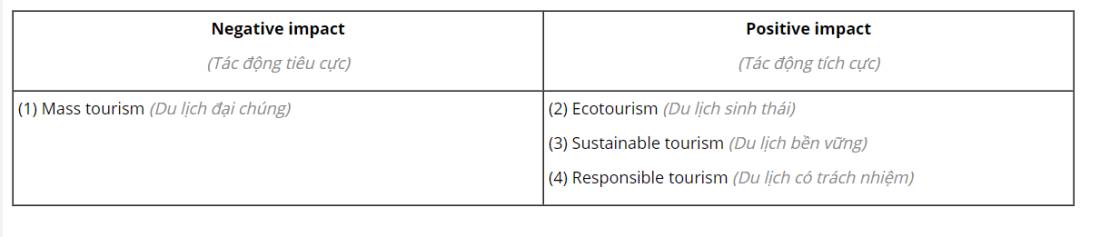
Environmental Impact of Tourism

Although tourism is often called 'the smokeless industry', or an environmentally-friendly industry, it can actually damage nature. However, different kinds of tourism may have different effects on the environment.

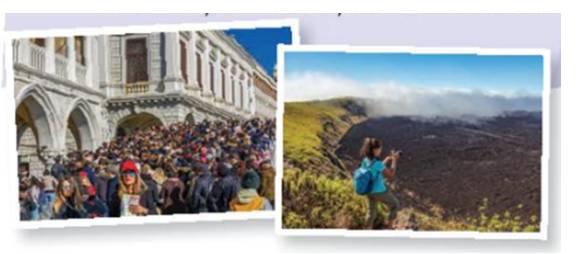
• Mass tourism is a kind of tourism which involves tens of thousands of people crowding the same places at the same time of year. It often has a lot of negative impact on the local area, such as litter from tourists and pollution from traffic.

• Ecotourism provides tourists with opportunities to explore nature, and at the same time helps protect the environment and educates travellers on local environmental issues. It also promotes tourists' respect for local communities.

• Sustainable tourism involves not only environmental protection and cultural respect, but also efforts to keep profits local. It often refers to actions of the tourist industry as a whole.

• Responsible tourism encourages tourists to be more than visitors. Responsible tourists should not only be aware of their role, but also take part in protecting the environment, culture and improving the profits for local people. Responsible tourism often relates to specific actions of individuals, businesses, and communities.

Negative impact

Positive impact

(1) __________

(2) __________

(3) __________

(4) __________

2
11 tháng 9 2023

11 tháng 9 2023

Tác động đến môi trường của du lịch

Mặc dù du lịch thường được gọi là 'ngành công nghiệp không khói', hoặc một ngành công nghiệp thân thiện với môi trường, nó thực sự có thể gây hại cho thiên nhiên. Tuy nhiên, các loại hình du lịch khác nhau có thể có những tác động khác nhau đến môi trường.

• Du lịch đại chúng là loại hình du lịch bao gồm hàng chục nghìn người tập trung ở cùng một địa điểm vào cùng một thời điểm trong năm. Nó thường có nhiều tác động tiêu cực đến khu vực địa phương, chẳng hạn như xả rác từ khách du lịch và ô nhiễm giao thông.

• Du lịch sinh thái cung cấp cho khách du lịch cơ hội khám phá thiên nhiên, đồng thời giúp bảo vệ môi trường và giáo dục du khách về các vấn đề môi trường tại địa phương. Nó cũng thúc đẩy sự tôn trọng của khách du lịch đối với cộng đồng địa phương.

• Du lịch bền vững không chỉ liên quan đến việc bảo vệ môi trường và tôn trọng văn hóa mà còn phải nỗ lực giữ lợi nhuận cho địa phương. Nó thường đề cập đến các hành động của ngành du lịch nói chung.

• Du lịch có trách nhiệm khuyến khích khách du lịch nhiều hơn là khách vãng lai. Khách du lịch có trách nhiệm không chỉ nhận thức được vai trò của mình mà còn phải tham gia vào việc bảo vệ môi trường, văn hóa và nâng cao lợi nhuận cho người dân địa phương. Du lịch có trách nhiệm thường liên quan đến các hành động cụ thể của cá nhân, doanh nghiệp và cộng đồng.

2. Read the text and circle the correct meanings of the highlighted words.(Đọc văn bản và khoanh tròn nghĩa đúng của các từ được đánh dấu.)Since UNICEF set up an office in 1975 in Viet Nam, it has run projects in various fields to provide the highest possible support for children in our country. The organisation particularly aims to create opportunities for all children in Viet Nam to attend school, learn and succeed. The following programmes help achieve the UNICEF's...
Đọc tiếp

2. Read the text and circle the correct meanings of the highlighted words.

(Đọc văn bản và khoanh tròn nghĩa đúng của các từ được đánh dấu.)

Since UNICEF set up an office in 1975 in Viet Nam, it has run projects in various fields to provide the highest possible support for children in our country. The organisation particularly aims to create opportunities for all children in Viet Nam to attend school, learn and succeed. The following programmes help achieve the UNICEF's education aims for Viet Nam.

Education for Disadvantaged Young People

UNICEF helps disadvantaged teenagers continue their education by offering them job training and career advice. They are also taught essential skills for the job market.

Providing Education Opportunities for Children with Disabilities

This programme gives children with disabilities a chance to get access to and benefit from a quality education. It also helps promote equal participation in society and a culture in which people respect each other.

Improving Learning Achievements

This is another practical programme supported by UNICEF. The aim is to better prepare children for the challenges in the future. UNICEF helps Viet Nam in joining regional educational programmes to improve children's learning achievements. When they leave school, they should have the necessary skills and knowledge to work in a fast-changing world.

1. create

a. make something happen 

b. increase something

c. refuse something

2. essential

a. usual

b. necessary

c. successful

3. respect

a. have a good opinion of somebody

b. look down on somebody

c. get on well with somebody

4. practical

a. connected with organisations

b. connected with ideas

c. connected with real situations

2
14 tháng 8 2023

1. a

2. b

3. a

4. c

10 tháng 9 2023

1. a

2. b

3. a

4. c

1. create (v): tạo ra

a. make something happen

(làm cho một cái gì đó xảy ra)

b. increase something

(tăng cái gì đó)

c. refuse something

(từ chối điều gì đó)

2. essential (adj): cần thiết

a. usual

(thường)

b. necessary

(cần thiết)

c. successful

(thành công)

3. respect (v): tôn trọng

a. have a good opinion of somebody

(có quan điểm tốt về ai đó)

b. look down on somebody

(khinh thường ai đó)

c. get on well with somebody

(có mối quan hệ tốt với người nào đó)

4. practical (adj): thực tiễn

a. connected with organisations

(kết nối với các tổ chức)

b. connected with ideas

(kết nối với các ý tưởng)

c. connected with real situations

(kết nối với các tình huống thực tế)

4. Complete the second part of the dialogue. Use the past simple affirmative, negative or interrogative form of the verbs in brackets. Then listen and check.(Hoàn thành phần thứ hai của đoạn hội thoại. Sử dụng thể khẳng định, phủ định và nghi vấn của thì quá khứ của động từ trong ngoặc. Sau đó nghe và kiểm tra.)Sam: You (1) _____ (not leave) your mobile at the cinema. You (2) _____ (lend) it to me, remember? I (3) _____ (not give) it back...
Đọc tiếp

4. Complete the second part of the dialogue. Use the past simple affirmative, negative or interrogative form of the verbs in brackets. Then listen and check.

(Hoàn thành phần thứ hai của đoạn hội thoại. Sử dụng thể khẳng định, phủ định và nghi vấn của thì quá khứ của động từ trong ngoặc. Sau đó nghe và kiểm tra.)

Sam: You (1) _____ (not leave) your mobile at the cinema. You (2) _____ (lend) it to me, remember? I (3) _____ (not give) it back to you. 

Anna: Yes, of course! Can you bring it to school tomorrow? 

Sam: I'm really sorry, but I (4) _____ (leave) it on the bus yesterday evening. 

Anna: Oh no! What (5) _____ (you/ do)? (6) _____ (you/ ring) the bus company? 

Sam: Yes, I did, but they (7) _____ (not can) find it. It (8) _____ (not be) on the bus. Don't worry. I (9) _____ (phone) your number ... 

Anna: (10) _____ (anyone/ answer)? 

Sam: Yes! Lucy, from our class. 

Anna: Why (11) _____ (she/ have) my phone? (12) _____ (she/ be) on the bus with you? 

Sam: Yes. She (13) _____ (pick) it up by mistake. She's bringing it to school tomorrow!

2
11 tháng 9 2023

 1. didn't leave

 2. lent

 3. didn't give

 4. left

 5. did you do

 6. did you ring

 7. couldn't

 8. wasn't 

 9. phoned

 10. Did anyone answer

 11. did she have

 12. was she

 13. picked

11 tháng 9 2023

Sam: You (1) didn’t leave your mobile at the cinema. You (2) lent it to me, remember? I (3) didn’t give it back to you. 

Anna: Yes, of course! Can you bring it to school tomorrow? 

Sam: I'm really sorry, but I (4) left it on the bus yesterday evening. 

Anna: Oh no! What (5) did you do(6) Did you ring the bus company? 

Sam: Yes, I did, but they (7) couldn’t find it. It (8) wasn’t on the bus. Don't worry. I (9) phoned your number ... 

Anna:(10) Did anyone answer

Sam: Yes! Lucy, from our class. 

Anna: Why (11) did she have my phone? (12) Was she on the bus with you? 

Sam: Yes. She (13) picked it up by mistake. She's bringing it to school tomorrow!

Tạm dịch:

Sam: Cậu không đánh rớt điện thoại ở rạp chiếu phum đâu. Cậu cho mình mượn đấy, nhớ không? Mình quên chưa trả lại cậu. 

Anna: À tất nhiên rồi! Cậu có thể đem đến trường vào sáng mai không? 

Sam: Mình rất xin lỗi, nhưng mình đánh rơi nó trên xe buýt tối qua rồi. 

Anna: Ôi không! Cậu đã làm gì chưa? Cậu đã gọi cho công ty xe buýt chưa? 

Sam: Mình gọi rồi, nhưng họ không thể tìm thấy nó. Nó không có trên xe buýt. Đừng lo, mình đã gọi vào số của cậu…

Anna: Có ai trả lời không? 

Sam: Có! Lucy, cùng lớp với tụi mình. 

Anna: Sao cô ấy lại có điện thoại của mình thế? Cô ấy đi chung xe buýt với cậu à? 

Sam: Ừa. Cô ấy vô tình nhặt được nó. Cô ấy sẽ mang đến trường sáng mai!

Giải thích:

(1) You didn’t leave your mobile at the cinema. (Cậu không đánh rớt điện thoại ở rạp chiếu phum đâu.)

Ta sử dụng thì quá khứ đơn để nói về những việc xảy ra trong quá khứ. Chủ ngữ là “you” nên ta có cấu trúc. You + did not + Vo → you did not leave.

(2) You lent it to me, remember? (Cậu cho mình mượn đấy, nhớ không?)

Câu này có cách dùng tương tự ở câu trên. nhưng do give là động từ bất quy tắc (lend – lent - lent) nên ta có công thức: S + lent + …

(3) didn’t give it back to you. (Mình quên chưa trả lại cậu.)

Câu này có cách dùng tương tự câu trên, và do đây là câu phủ định nên ta có công thức: S + did not + Vo 

(4) … but I left it on the bus yesterday evening. (nhưng mình đánh rơi nó trên xe buýt tối qua rồi.)

Câu này có cách dùng tương tự ở câu trên, nhưng do leave là động từ bất quy tắc (leave – left - left) nên ta có công thức: S + lent + …

(5) What did you do(Cậu đã làm gì chưa?)

Câu này có cách dùng tương tự ở câu trên, nhưng do đây là câu nghi vấn nên ta đảo trợ động từ “did” lên trước chủ ngữ “you”. Cấu trúc: what did you + Vo → what did you do.

(6) Did you ring the bus company?

Câu này có cách dùng tương tự ở câu trên, nhưng do đây là câu nghi vấn nên ta đảo trợ động từ “did” lên trước chủ ngữ “you”. Cấu trúc: did you + Vo → did you ring

(7) but they couldn’t find it. (…nhưng họ không thể tìm thấy nó.)

Câu này có cách dùng tương tự câu trên, và do đây là câu phủ định nên ta phải thêm not vào động từ → couldn’t find.

(8) It  wasn’t on the bus. (Nó không có trên xe buýt.)

Câu này có cách dùng tương tự câu trên, và do đây là câu phủ định nên ta phải thêm not vào động từ → wasn’t 

(9)  phoned your number ... (mình đã gọi vào số của cậu…)

Tương tự với cách dùng ở câu trên nhưng do phone là động từ có quy tắc nên ta thêm ‘d’ vào sau động từ: S + decided + …

(10) Did anyone answer? (Có ai trả lời không?)

Câu này có cách dùng tương tự ở câu trên, nhưng do đây là câu nghi vấn nên ta đảo trợ động từ “did” lên trước chủ ngữ “you”. Cấu trúc: did you + Vo → did you ring

(11) Why did she have my phone? (Sao cô ấy lại có điện thoại của mình thế?)

Câu này có cách dùng tương tự ở câu trên, nhưng do đây là câu nghi vấn nên ta đảo trợ động từ “did” lên trước chủ ngữ “she”. Cấu trúc: what did she + Vo → what did she have.

(12) Was she on the bus with you?

Câu này có cách dùng tương tự ở câu trên, nhưng do đây là câu nghi vấn nên ta đảo động từ tobe lên trước chủ ngữ “she”, mà “she” là ngôi thứ ba nên ta chia tobe ở số ít. Cấu trúc: was she…

(13) She picked it up by mistake. (Cô ấy vô tình nhặt được nó.) 

Tương tự với cách dùng ở câu trên nhưng do pick là động từ có quy tắc nên ta thêm ‘ed’ vào sau động từ: S + picked + …