
Hãy nhập câu hỏi của bạn vào đây, nếu là tài khoản VIP, bạn sẽ được ưu tiên trả lời.

Speaking Strategy (Chiến thuật Nói)
When you do a photo comparison task, follow these steps: (Khi thực hiện bài so sánh tranh ảnh, làm theo các bức sau:
1. Describe each photo in general (e.g. mention the people, where they are, speculate about what is happening, etc.) (Mô tả tổng quát mỗi bức tranh )e.g. nhắc đến người, họ là ai, xem xét những thứ đang xảy ra, v.v.)
2. Describe any obvious differences or similarities between the photos. (Mô tả những điểm giống nhau hoặc khác nhau rõ ràng giữa các bức ảnh.)
3. Speculate about how the people in the photos are feeling, or what they are thinking or saying. (Xem xét cảm xúc của những người trong ảnh,hoặc những gì có thể nghĩ hay nói.)
UNICEF Programme | UNDP Project | |
What / name? | Vaccines for Children (Vắc xin cho Trẻ em.) | Poverty Reduction (Giảm nghèo) |
What / focus on? | protecting children with life-saving vaccines (bảo vệ trẻ em bằng vắc-xin cứu mạng) | reducing poverty and developing economy in disadvantaged areas (xóa đói giảm nghèo và phát triển kinh tế ở những vùng khó khăn) |
What / activities? | - educating people about the benefits of vaccines (giáo dục bảo vệ trẻ em bằng vắc-xin cứu mạng) - vaccinating as many children as possible (tiêm chủng cho càng nhiều trẻ em càng tốt) | - providing technical support (cung cấp hỗ trợ kỹ thuật) - helping develop solutions to local issues (giúp phát triển các giải pháp cho các vấn đề địa phương) |
A: What is the name of the UNDP Project?
(Tên của dự án UNDP là gì)
B: It’s Poverty Reduction.
(Đó là Giảm nghèo.)
A: What does the project focus on?
(Dự án tập trung vào cái gì?)
B: It focuses on reducing poverty and developing economy in disadvantaged areas.
(Nó tập trung vào việc xóa đói giảm nghèo và phát triển kinh tế ở những vùng khó khăn.)
A: What are the activities of this project?
(Các hoạt động của dự án này là gì?)
B: It provides technical support and helps develop solutions to local issues. What about UNICEF Programme? What is the name of the programme?
(Nó cung cấp hỗ trợ kỹ thuật và giúp phát triển các giải pháp cho các vấn đề địa phương. Chương trình UNICEF thì sao? Tên của chương trình là gì?)
A: It’s Vaccines for Children.
(Đó là Vắc xin cho Trẻ em.)
B: What does the program focus on?
(Chương trình tập trung vào cái gì?)
A: It focuses on protecting children with life-saving vaccines.
(Nó tập trung vào việc bảo vệ trẻ em bằng vắc-xin cứu mạng.)
B: What are the activities of this programme?
(Các hoạt động của chương trình này là gì?)
A: It educates protecting children with life-saving vaccines and vaccinates as many children as possible.
(Nó giáo dục bảo vệ trẻ em bằng vắc-xin cứu mạng và tiêm chủng cho càng nhiều trẻ em càng tốt.)
This person … | Kim | Laura |
1. thinks that online learningisn't as good as face-to-face learning. | v | |
2. gains the same knowledge in both ways of learning. | v | |
3. has more direct conversations and discussions. | v | |
4. uses emails to contact classmates. | v | |
5. can pay more attention in class. | v | |
6. needs to have access to high-speed Internet. | v |
A: What is the name of the programme?
(Tên của chương trình là gì)
B: (1) It is Education for Disadvantaged Young People.
(Đó là Giáo dục cho Thanh thiếu niên có hoàn cảnh khó khăn.)
A: What does the program focus on?
(Chương trình tập trung vào cái gì?)
B: (2) It focuses on helping disadvantaged teenagers continue their education.
(Nó tập trung vào việc giúp đỡ những thanh thiếu niên có hoàn cảnh khó khăn tiếp tục đi học.)
A: What are the activities of this programme?
(Các hoạt động của chương trình này là gì?)
B: (3) It offers young people job training and career advice. It also teaches them essential skills for the job market.
(Nó cung cấp đào tạo việc làm và lời khuyên nghề nghiệp cho những người trẻ tuổi. Nó cũng dạy họ những kỹ năng cần thiết cho thị trường việc làm.)
1. It helps students have more control over their own learning. (Nó giúp học sinh kiểm soát tốt hơn việc học của mình.) | ✓ |
2. It is easier to get access to lesson materials. (Tiếp cận tài liệu bài học dễ dàng hơn.) | ✓ |
3. It may not prepare students well for tests. (Nó có thể không chuẩn bị tốt cho học sinh cho các bài kiểm tra.) | |
4. Students can develop better communication and teamwork skills. (Học sinh có thể phát triển các kỹ năng giao tiếp và làm việc nhóm tốt hơn.) | ✓ |
5. It is not suitable for students who have no Internet connection or computers. (Nó không phù hợp cho học sinh không có kết nối Internet hoặc máy tính.) | ✓ |
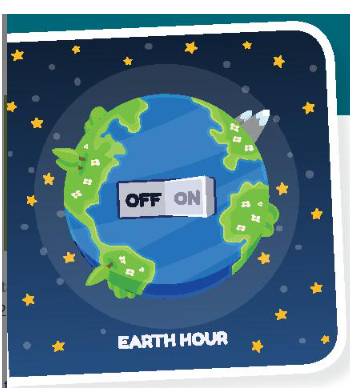
1. Read the text. Match the highlighted words with their meanings.
(Đọc văn bản. Nối các từ được làm nổi bật với nghĩa của chúng.)
The more people travel, the bigger impact they may have on the environment. How can we reduce it while travelling? Here are some advice.
Reduce your carbon footprint while travelling. Since flying produces more carbon footprint than any other means of transport, you should only fly when the trip is long. During the trip, you should walk, cycle or use public transport as much as you can. This not only helps to keep the environment clean, but also allows you to enjoy the beauty of nature and interact with local people.
Choose eco-friendly activities that benefit animals and the ecosystem. Avoid activities that allow you to touch or ride animals because they disturb their natural patterns and attract many people. Instead, visit wildlife parks or organic farms. These will help you understand and respect the nature more and stop doing things that harm the environment.
Answer:
1. interact ->b: to talk or do things with other people.
2. benefit ->a: to be good for someone or something.
3. disturb ->c: to interrupt what people are doing and make them angry.
In my opinion, student 2 follows the strategy better.
(Theo em, học sinh 2 tuân thủ chiến lược nghe tốt hơn.)
Bài nghe:
1.
Teacher: Please describe the photo.
Student 1: Well, on the left, there are some trees. And in the centre, there's a woman walking along. She's hiking somewhere - it looks like a forest. She's holding a pole in each hand and she's wearing a rucksack, I think. At the bottom of the picture, you can see that it's a really muddy path. But the woman doesn't look worried. She seems to be having a good time.
Teacher: Thank you.
2.
Teacher: Please describe the photo.
Student 2: The photo shows five people in a dinghy. They're white-water rafting on a river. In the top left corner of the photo, there is a man leaning out of the boat. In the foreground, there's a lot of water. The man at the back of the dinghy is trying to guide the dinghy with his paddle. The other four people aren't helping very much. It looks as if they're new to it. They're all wearing the same life jackets and helmets. I imagine they're doing this as a holiday activity.
Teacher: Thank you.
Tạm dịch:
1.
Giáo viên: Em hãy mô tả bức ảnh nhé.
Học sinh 1: Vâng ạ, bên trái, có một số cây. Và ở trung tâm, có một người phụ nữ đi cùng. Cô ấy đang đi bộ đường dài ở đâu đó - nó trông giống như một khu rừng. Em nghĩ rằng cô ấy đang cầm một cái gậy trong tay và cô ấy đang đeo một cái ba lô. Ở dưới cùng của bức ảnh, có thể thấy rằng đó là một con đường thực sự lầy lội. Nhưng người phụ nữ trông không hề lo lắng. Cô ấy có vẻ đang có một khoảng thời gian vui vẻ.
Giáo viên: Cảm ơn em.
2.
Giáo viên: Em hãy mô tả bức ảnh nhé.
Học sinh 2: Bức ảnh chụp năm người trên một chiếc xuồng ba lá. Họ đang đi bè trên dòng nước trắng. Ở góc trên cùng bên trái của bức ảnh, có một người đàn ông đang nghiêng mình ra khỏi thuyền. Ở phía trước, có rất nhiều nước. Người đàn ông ở phía sau chiếc xuồng ba lá đang cố gắng hướng dẫn chiếc xuồng ba lá bằng mái chèo của mình. Bốn người còn lại không giúp được gì nhiều. Có vẻ như họ mới làm quen với nó. Tất cả đều mặc áo phao và mũ bảo hiểm giống nhau. Em tưởng tượng họ đang làm điều này như một hoạt động trong kỳ nghỉ.
Giáo viên: Cảm ơn em.