
Hãy nhập câu hỏi của bạn vào đây, nếu là tài khoản VIP, bạn sẽ được ưu tiên trả lời.

(Chọn dạng động từ đúng trong mỗi câu sau.)
1. While Lan was working / worked as a volunteer in the countryside, she met an old friend.
2. I was revising for my civics class when my dad was telling / told me about the volunteer Job.
3. We saw many unhappy children while we were helping / helped people in remote areas.
4. He was sorting the donations when he was realising / realised how generous people were.
1. a | 2. b | 3. a | 4. c |
1. create (v): tạo ra
a. make something happen
(làm cho một cái gì đó xảy ra)
b. increase something
(tăng cái gì đó)
c. refuse something
(từ chối điều gì đó)
2. essential (adj): cần thiết
a. usual
(thường)
b. necessary
(cần thiết)
c. successful
(thành công)
3. respect (v): tôn trọng
a. have a good opinion of somebody
(có quan điểm tốt về ai đó)
b. look down on somebody
(khinh thường ai đó)
c. get on well with somebody
(có mối quan hệ tốt với người nào đó)
4. practical (adj): thực tiễn
a. connected with organisations
(kết nối với các tổ chức)
b. connected with ideas
(kết nối với các ý tưởng)
c. connected with real situations
(kết nối với các tình huống thực tế)
1. What was the mother doing? - She was sitting on a bench and talking to the boy.
(Người mẹ đang làm gì? – Cô ấy đang ngồi trên băng ghế và nói chuyện với cậu bé.)
2. What was the boy doing? - He was sitting on a bench and was not looking at his mother.
(Cậu bé đang làm gì? – Cậu bé đang ngồi trên băng ghế và không nhìn vào mẹ cậu ấy.)
3. What was the girl doing? - She was singing quietly and playing with a toy.
(Cô bé đang làm gì? – Cô bé đang hát thầm và chơi đồ chơi.)
4. What were the other travellers doing? - They were shouting greetings, waving goodbye, carrying heavy bags or running to catch trains.
(Những du khách khác đang làm gì? - (Họ đang chào nhau, vẫy tay tạm biết, mang những túi nặng hoặc chạy để bắt kịp tàu.)
5. What was the tall man doing? - He was standing near the exit and looking straight at the narrator.
(Người đàn ông cao lớn đang làm gì? – Anh ta đang đứng gần lối thoát hiểm và nhìn thẳng vào )
6. What were the cafe owners doing? - They were carrying tables outside.
(Các chủ quán ăn đang làm gì – Họ đang mang bàn ra ngoài.)
7. What was the dog doing? - He was lying on the pavement nearby.
(Con chó đang làm gì? – Nó đang nằm trên vỉa hè gần đó.)
8. What were teenage girls doing? - They were sitting on a bench and sharing headphones.
(Các cô gái teen đang làm gì? – Họ đang ngồi trên một băng ghế và chia sẻ tai nghe.)
Blended learning is a way of studying a subject, which combines learning over the Internet and face-to-face learning, and brings several benefits to us. First, blended learning helps us have more control over our own learning. Learning materials are available at all times online. Students who are absent from school won’t miss lessons. Second, we can develop better communication and teamwork skills with blended learning. There are a lot of interesting learning activities giving us more flexibility to customize own learning experiences. This enables us to have more time for pairwork and group work. In short, it is undeniable that blended learning has crucial advantages including students’ control over their learning and soft skills development.
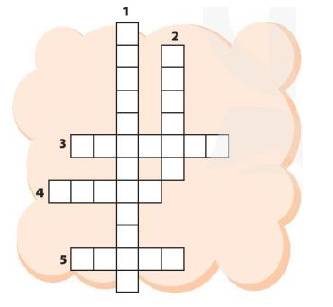
1. non-governmental organisation
2. 1961
3. to stop the process of destroying the planet's natural environment and to build a future in which humans respect nature
4. the survival of endangered animals and the protection of their natural habitats
5. 1,300
1. While they were cleaning the streets, it started to rain.
(Họ đang quét dọn đường phố. Trời bắt đầu mưa.)
2. While I was watching TV, I saw the floods and landslides in the area.
(Tôi đang xem TV. Tôi đã thấy lũ lụt và lở đất trong khu vực.)
3. While Tim was searching for employment opportunities, he found a job advert from a non-governmental organisation.
(Tim đang tìm kiếm cơ hội việc làm. Anh ta tìm thấy một quảng cáo việc làm từ một tổ chức phi chính phủ.)
4. They decided to help build a community centre for young people while they were visiting some poor villages.
(Họ quyết định giúp xây dựng một trung tâm cộng đồng cho những người trẻ tuổi. Họ đã đến thăm một số ngôi làng nghèo.)