
TN
5

Hãy nhập câu hỏi của bạn vào đây, nếu là tài khoản VIP, bạn sẽ được ưu tiên trả lời.
các bạn nhớ trả lời đầy đủ nha! Bạn nào nhanh tay nhất mình sẽ k cho ~.~
Nowadays, large cities are becoming more and more inhabited. The majority of the population prefer living in a big town mainly because of the great advantages it has compared to living in the countryside. However, what are the benefits of this situation, and what are the drawbacks? In this essay, I will explore the pros and cons of living in a large city and try to draw some conclusions.
Let’s start looking at the advantages. One of the main positives of a big town is the large amount of shops available in every corner of the city. What I mean by this is that whenever you live, there are some useful stores supermarkets, banks, tobacconists and clothing stores where you can easily buy everything you need without going to the city center. Secondly, living in a big town is a big challenge for evening parties. In London, for example, there are so many things to do in the evenings going to the cinema, to the pub or to the park during the summer period.
Turning to the other side of the argument, traffic could be one of the major disadvantages of living in a big city. Many people take the car everyday and it has also been proved that the majority of the families have at least two cars. This means that you have to deal with rush-hour traffic on your way to work and on your way back. In addition, in a big town there is consequently a lot of smog and this can really affect people’s health.
To sum up, living in a big city has great advantages but also some significant negatives.You have to weigh up to the pros of enjoying evenings’ nights outside and the availability of many shops and the cons of cope with smog and traffic issues. Personally, I believe that the benefits of enjoying the city-life and the comfort of having shops at every corner, eventually overweigh the negatives.
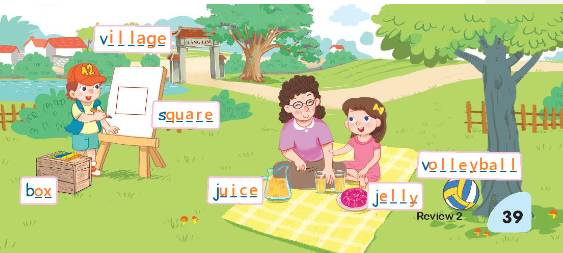
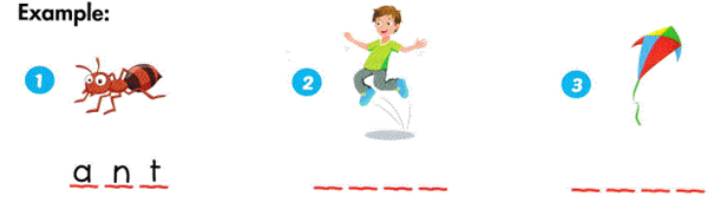
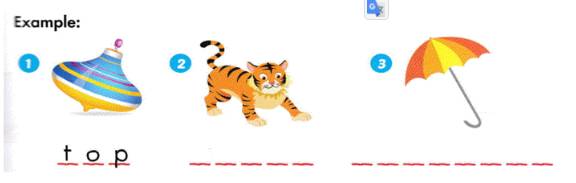
- rainbow: cầu vồng
- kite: cánh diều
- pizza: bánh pi-za
- pasta: mì ống
- road: con đường
- fifteen: 15
- shirts: áo sơ mi
- eighteen: 18
- shorts: quần đùi
- skirts: váy
- teapot: ấm trà
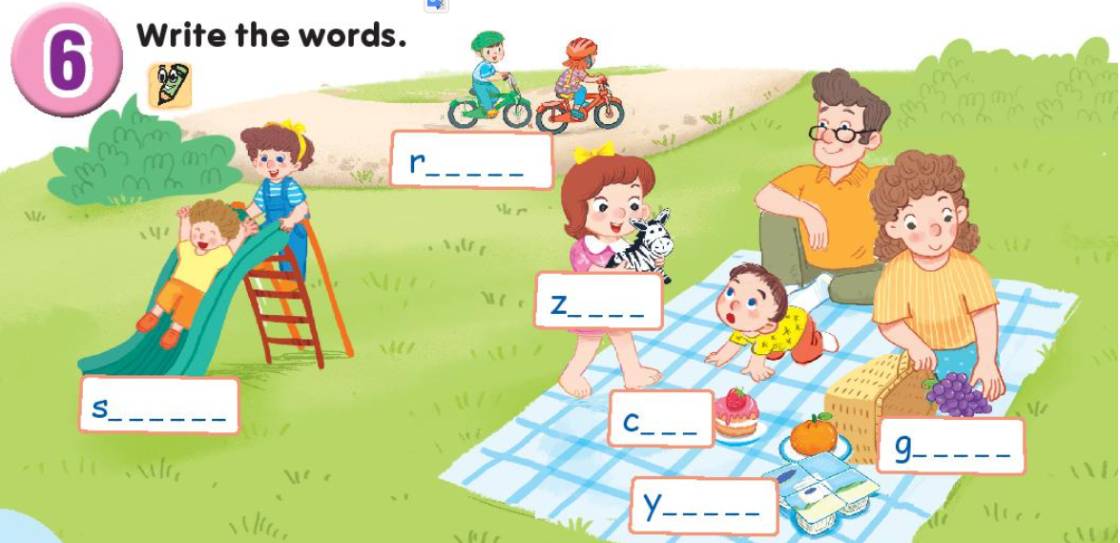
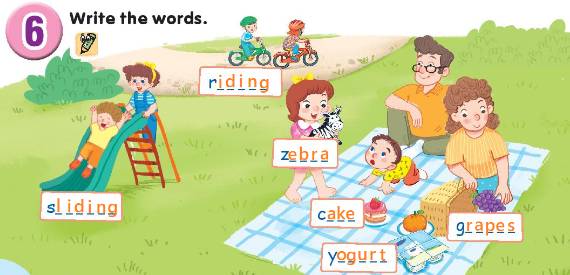
- riding: đạp xe
- sliding: trượt cầu trượt
- zebra: ngựa vằn
- cake: bánh
- yogurt: sữa chua
- grapes: chùm nho
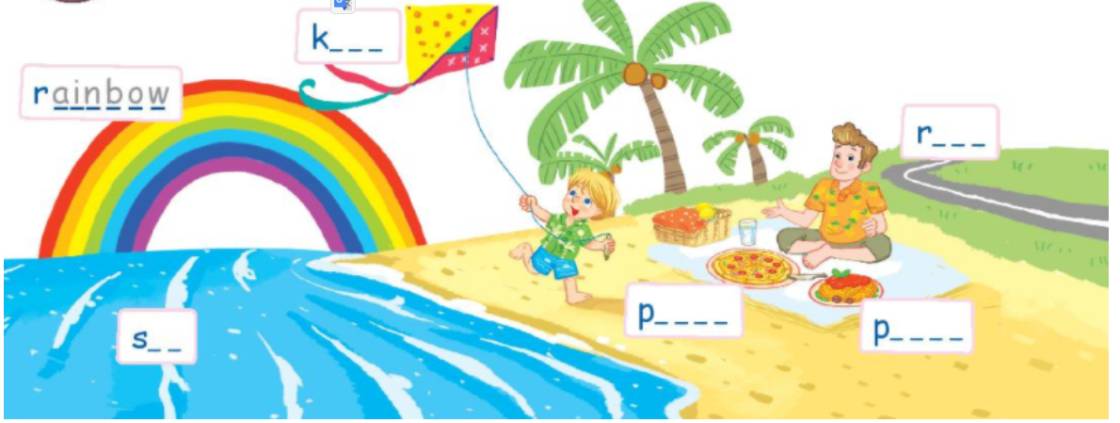
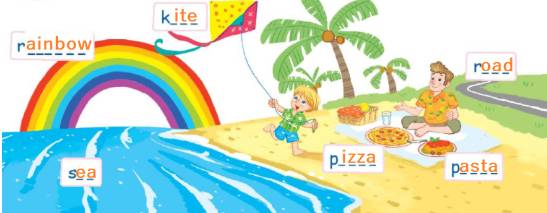
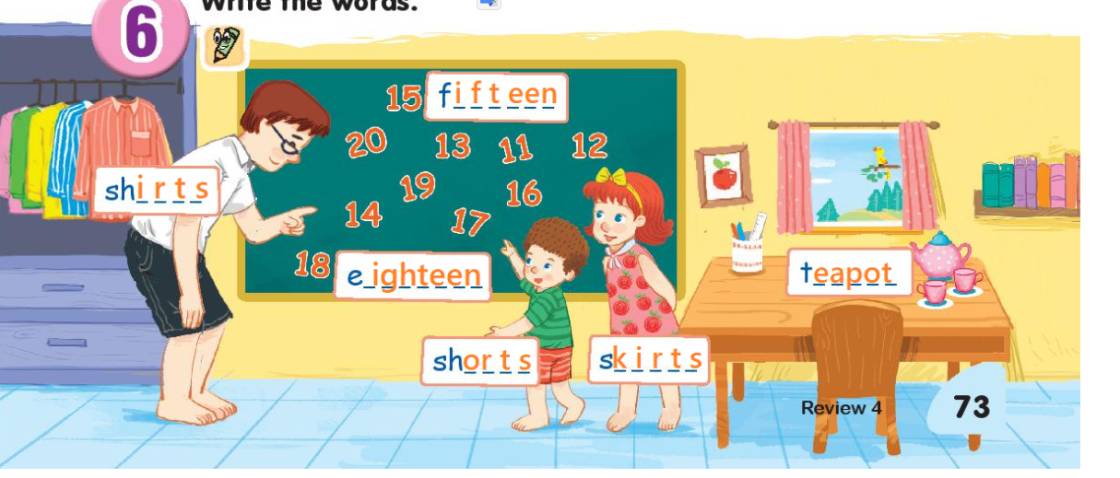
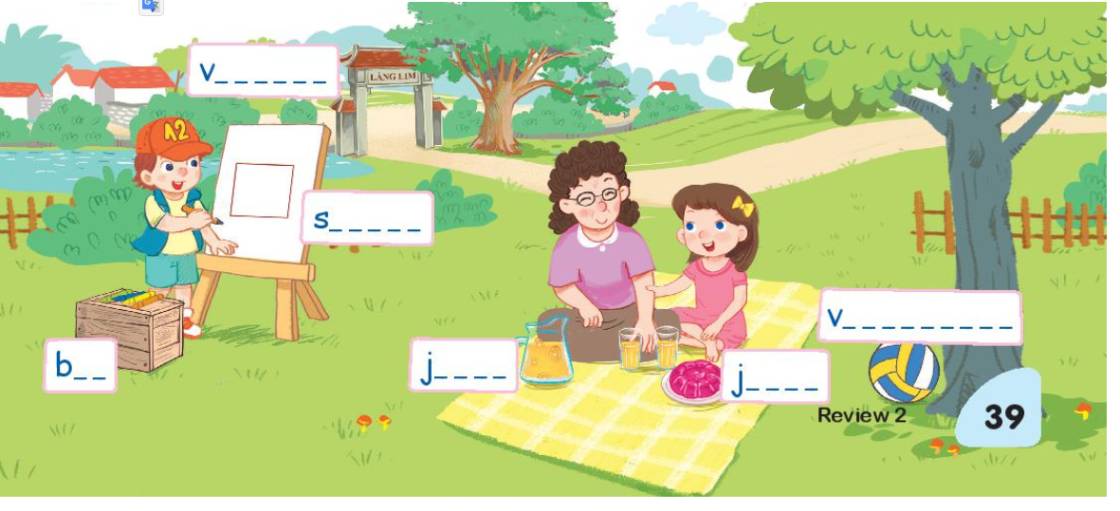
Bạn tham khảo nha !
The Mid-Autumn Festival also known as Moon Festival or Mooncake Festival, is a traditional festival celebrated by many East and Southeast Asian people. It is the second-most important holiday after Chinese New Year with a history dating back 3,000 years, when China's emperors worshipped the moon for bountiful harvests. The celebration is called Tết Trung Thu (Mid-Autumn Festival) in Vietnam, Chuseok (autumn eve) in Korea, and Tsukimi (moon-viewing) in Japan.
The festival is held on the 15th day of the 8th month of the Chinese lunisolar calendar with a full moon at night, corresponding to mid-September to early October of the Gregorian calendar. On this day, the Chinese believe that the moon is at its brightest and fullest size, coinciding with harvest time in the middle of Autumn.
Lanterns of all size and shapes, are carried and displayed – symbolic beacons that light people's path to prosperity and good fortune. Mooncakes, a rich pastry typically filled with sweet-bean or lotus-seed paste, are traditionally eaten during this festival
iem ngu môn Anh =))
tham khảo:
Every year, on the full moon day of the eighth month of the lunar calendar, children all over our country are allowed to process lights by adults, eat pies, plas cakes and dance with lions. That day was the Mid-Autumn Festival - a festival that has been associated with Vietnamese people and Vietnamese children for a long time. The Mid-Autumn Festival is very attached to our Vietnamese people, but few people know where the Mid-Autumn Festival originated. From the 8th century (713 - 755), during the reign of Emperor Minh Hoang, there was a custom of celebrating the Mid-Autumn Festival. An ancient book says that on the full moon day of the eighth month, while watching the full moon with his children, King Tang wished to go to heaven once. The Mid-Autumn Festival is very attached to our Vietnamese people, but few people know where the Mid-Autumn Festival originated. From the 8th century (713 - 755), during the reign of Emperor Minh Hoang, there was a custom of celebrating the Mid-Autumn Festival. An ancient book says that on the full moon day of the eighth month, while watching the full moon with his children, King Tang wished to go to heaven once. The rice is roasted and then ground or finely chopped, kneaded with sugar water with the scent of grapefruit flowers. All of the above stages are handled by the "artisan" hand. The Mid-Autumn Festival has become a cultural custom of Vietnamese people in each village, hamlet, and ward. It is very attached to each of us Vietnamese. We need to preserve this cultural custom so that the whole world knows it so that the Mid-Autumn Festival becomes more and more brilliant and does not fade away over time. The dough is put into the mold. Unmolding the cake is a cake showing the floating patterns of an eight- or ten-petal rose. The face of the cake shirt is flexible, sweet, and fragrant. The filling part is necessarily managed by the master craftsman with important stages: roasting and brewing sesame, processing pumpkin jam, lotus jam, almonds, melon seeds, marinating the filling, creating flavor for the filling... people just broke the way to put sausage in. The cake filling is improved with many innovations. Baked cakes and flexible cakes also have two types of vegetarian fillings with smooth green beans, lotus seeds... very mild and fragrant with domes wind. They bring the taste and color of Vietnam to high and elegant. Mid-Autumn Festival also has a lot of games not only for children, but also for adults to be happier and more comfortable after hard working days. Lion dance, lion dance is indispensable in these days. In the past, in the private houses often hung prizes in money. After a while of dancing, the lion jumped up to claim the prize. It was fun and exciting. People arrange a feast with moon cakes, hang lights and flowers, dance and sing to the beat of drums. The procession of lights with many kinds of special lights, bright in the night as if for the children to have fun with Ms. Hang: the star lantern, the lantern, the rabbit lamp, the towing light, which is bright to remove the gloom and darkness. of the night. The Mid-Autumn Festival has become a cultural custom of Vietnamese people in each village, hamlet, and ward. It is very attached to each of us Vietnamese. We need to preserve this cultural custom so that the whole world knows it so that the Mid-Autumn Festival becomes more and more brilliant and does not fade away over time.
Eng 2 ???
Mid Autumn is a special Festival in some countries of Asia in general and Vietnam in parular. In fact, Mid Autumn is festival which intended for children. In Vietnam, this festival springs from legend : The moon and a kid. The legend explains how the moon is shinest in mid autumn and why people see a banian tree and a kid on the moon. The moon is called Sister Moon and the kid is Cuoi.
Mid Autumn begins from 14 to 15 August, in Vietnamese lunar calendar. In these day, children are going to pick the lantern up and go around streets or towns. Children will be given gifts such as pie, candy, star lantern... They will be seen lion dance or musical concert. Almost children are really into seeing lion dance and follow it that go everywhere. Some children bring a small torch that includes oil and rag to burn. And others bring clarinet and drum to make the festival more eventful.
However, mid autumn festival is also festival for business. The streets have many stores that sale pie, cake. This is occasion that many people present cake each other. Pie mid autumn is a kind of special cake that is only in mid autumn festival. There are many kind of pies such as soft cake, pie with egg , hog pie, croissant… The Pie mid autumn have special taste. It is sweet smeeling and very delicious. Almost Vietnamese people love pie mid autumn and buy it for family.
Mid Autumn became a tradition festival in Vietnam. It is a part of Vietnamese culture. Anyone who grown up in Vietnam, is regular knowing and joining in this festival
Tham khảo !
With a diverse and unique culture, every year our country has many meaningful traditional New Year holidays such as Lunar New Year, Thanh Minh New Year, Apple Quan... Mid-Autumn Festival is associated with children's joy and laughter.
Mid-autumn means mid-autumn. It can be understood that the Mid-Autumn Festival is held in the middle of autumn or the full moon day of August every year when the moon is brightest and fullest. This is one of the cultural beauties of Asian countries. In our country, the Mid-Autumn Festival has appeared for a long time and is said to be influenced by Chinese culture. However, this does not mean that this New Year's Day has lost Vietnamese identity.
Mid-Autumn Festival is always the joy of every child. Un the International Children's Day June 1, which was imported from the West, parents let their children go out, the Mid-Autumn Festival unites everyone in the family, showing concern and love. On this New Year's Day, adults will prepare a large tray with all kinds of sweets and fruits displayed beautifully and sophisatedly. And especially indispensable gift special moon cake. There are two types of mooncakes: baked cakes, flexible cakes in the past are usually round in shape representing the moon. Over time, the cake has also been transformed into more colors, designs, and flavors. Carefully prepare the tray, when the moon rises and shines, it is also the time when the family gathers together, children can break the feast, eat and drink. Not only that, the children also gathered to paripate in many games. On the streets, lanterns with pictures of fish, rabbits, ... brightly shining, children follow each other while carrying the lights while laughing and enjoying themselves.After that, the children were also free to organize other games to celebrate the moon together. It's not just children who enjoy the fun, adults also contribute. The whole family of grandparents and parents together after months of fatigue because of daily work, watching the moon, eating cake, chatting happily on the porch.
And the most unique and attractive part is always the lion dance performance. The young men wore glittering shirts, some with the head of a lion, the other with their backs as their tails. The lion's head is made of paper mache, with skillful hands it is made to bring a bit of seriousness but equally charming and mischievous. The flexible lion driver dances ingenious and attractive. The jumps up and down to the rhythm of the drums continuously surprised the audience. Occasionally, there is an uncle, Hang wears a colorful mask and waves a fan to tease people. The usual quiet night was thus broken, leaving only the moonlight flowing in the space, remaining in the crisp laughter.
Traditional beauty is always rich in meaning. Children's Day, of course, must bring children joy and family bonding. Not only that, it also has a very characteris feature of the country with wet rice civilization. The Mid-Autumn Festival represents everyone's wish for a bountiful harvest. Looking at the moon is also a way to predict weather, crops and even national destiny according to folk experience. It can be seen that the Mid-Autumn Festival has many profound meanings. Today's busy modern life with the wheel of rice and rice clothes before the Mid-Autumn Festival has also been changed a lot. However, the value of that beautiful traditional culture does not fade, it still holds an important and indispensable position in the hearts of any Vietnamese.