
Hãy nhập câu hỏi của bạn vào đây, nếu là tài khoản VIP, bạn sẽ được ưu tiên trả lời.

Tạm dịch bài đọc:
Chào cả lớp. Hôm nay tôi muốn nói với các bạn về hai nguồn năng lượng. Chúng là những nguồn không thể tái tạo và những nguồn có thể tái tạo.
Các nguồn không thể tái tạo là than đá, dầu mỏ và khí đốt tự nhiên. Chúng ta có thể sử dụng những nguồn này để sản xuất năng lượng. Chúng rẻ và dễ sử dụng. Mọi người sử dụng chúng rất nhiều. Nhưng chúng rất hạn chế và sẽ hết sớm.
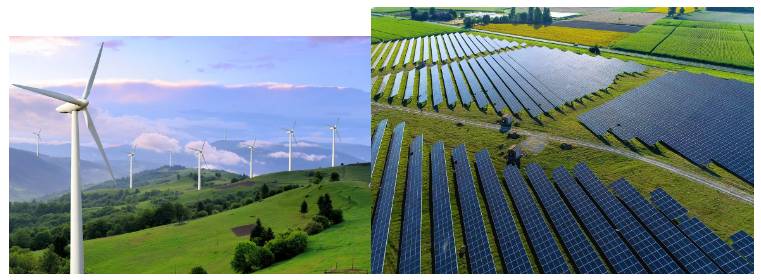
Các nguồn tái tạo đến từ mặt trời, gió hoặc nước. Khi năng lượng đến từ mặt trời, chúng ta gọi nó là năng lượng mặt trời. Năng lượng gió đến từ gió, và năng lượng thủy điện đến từ nước. Nguồn tái tạo có sẵn, sạch sẽ và an toàn để sử dụng. Nhưng chúng đắt tiền để sản xuất.
Trong tương lai, chúng ta sẽ dựa nhiều hơn vào các nguồn năng lượng tái tạo. Chúng tốt hơn cho môi trường và chúng sẽ không cạn kiệt.
1. Nguồn không tái tạo được rẻ và _________.
A. có sẵn
B. dễ sử dụng
C. đắt
2. ________nhận được từ mặt trời, gió hoặc nước.
A. Nguồn tái tạo
B. Tất cả các nguồn năng lượng
C. Các nguồn không thể tái tạo
3. Khi năng lượng đến từ nước, chúng ta gọi nó là_________.
A. năng lượng gió
B. năng lượng mặt trời
C. năng lượng thủy
4. Các nguồn năng lượng tái tạo tốt hơn cho ____.
A. môi trường
B. xe của chúng tôi
C. năng lượng thủy
1. B
Non – renewable sources are cheap and easy to use.
(Năng lượng không thể tái tạo thì rẻ và dễ sử dụng.)
Thông tin: Non-renewable sources are coal, oil and natural gas. ... They are cheap and easy to use.
(Các nguồn không thể tái tạo là than đá, dầu mỏ và khí đốt tự nhiên. ... Chúng rẻ và dễ sử dụng.)
2. ARenewable sources come from the sun, wind or water.
(Các nguồn năng lượng có thể tái tạo đến từ mặt trời, gió và nước.)
Thông tin: Renewable sources come from the sun, wind or water.
(Các nguồn tái tạo đến từ mặt trời, gió hoặc nước.)
3. C
When energy comes from water, we call it hydro energy.
(Khi năng lượng đến từ nước, chúng ta gọi nó là năng lượng thủy điện.)
Thông tin: Wind energy comes from the wind, and hydro energy comes from water.
(Năng lượng gió đến từ gió, và năng lượng thủy điện đến từ nước.)
4. A
Renewable energy sources are better for the environment.
(Các nguồn năng lượng có thể tái tạo thì tốt hơn cho môi trường.)
Thông tin: In the future we will rely more on renewable energy sources. They are better for the environment and they will not run out.
(Trong tương lai, chúng tôi sẽ dựa nhiều hơn vào các nguồn năng lượng tái tạo. Chúng tốt hơn cho môi trường và chúng sẽ không cạn kiệt.)
1. Mai is talking about types of energy sources now.
(Mai đang nói về các loại nguồn năng lượng.)
Giải thích: Thì hiện tại tiếp diễn dạng khẳng định chủ ngữ Mai số ít => is V-ing
2. We are using solar energy to replace energy from coal today.
(Chúng ta đang sử dụng năng lượng mặt trời để thay thế năng lượng từ than đá ngày nay.)
Giải thích: Thì hiện tại tiếp diễn dạng khẳng định chủ ngữ "we" => are V-ing
3. Keep quiet! The students of Class 7C are taking a test.
(Trật tự! Các học sinh lớp 7C đang làm bài kiểm tra.)
Giải thích: Thì hiện tại tiếp diễn dạng khẳng định chủ ngữ "students" số nhiều => are V-ing
4. Scientists are developing new energy sources to protect the environment.
(Các nhà khoa học đang phát triển các nguồn năng lượng mới để bảo vệ môi trường.)
Giải thích: Thì hiện tại tiếp diễn dạng khẳng định chủ ngữ "scientists" số nhiều => are V-ing
5. We are reducing the use of nuclear energy nowadays.
(Ngày nay chúng ta đang giảm việc sử dụng năng lượng hạt nhân.)
Giải thích: Thì hiện tại tiếp diễn dạng khẳng định chủ ngữ "we" => are V-ing
1. At present, our class is doing a big project on how to save energy in our school.
(Hiện tại, lớp chúng tôi đang thực hiện một dự án lớn về cách tiết kiệm năng lượng trong trường học của chúng tôi.)
Giải thích:
Dấu hiệu: at present (ngay lúc này) => sử dụng thì hiện tại tiếp diễn
Cấu trúc: S + is/ am/ are + Ving
2. My biggest dream is that I will visit Edinburgh one day.
(Ước mơ lớn nhất của tôi là một ngày nào đó tôi sẽ đến thăm Edinburgh.)
Giải thích:
Dấu hiệu: one day (một ngày nào đó) => sử dụng thì tương lai đơn
Cấu trúc: S + will + V nguyên thể
3. At present, my city is building stations for skyTrans.
(Hiện tại, thành phố của tôi đang xây dựng các trạm cho tàu trên cao.)
Giải thích:
Dấu hiệu: at present (ngay lúc này) => sử dụng thì hiện tại tiếp diễn
Cấu trúc: S + is/ am/ are + Ving
4. In the future, people will use more renewable energy in our daily life.
(Trong tương lai, con người sẽ sử dụng nhiều năng lượng tái tạo hơn trong cuộc sống hàng ngày của chúng ta.)
Giải thích:
Dấu hiệu: In the future (trong tương lai) => sử dụng thì tương lai đơn
Cấu trúc: S + will + V nguyên thể
5. I hope that we will have flying cars for faster travel soon.
(Tôi hy vọng rằng chúng ta sẽ sớm có ô tô bay để đi lại nhanh hơn.)
Giải thích:
Dấu hiệu: soon (sớm) => sử dụng thì tương lai đơn
Cấu trúc: S + will + V nguyên thể
Chọn chủ đề 2 Comparing Different Energy Sources
(So sánh các nguồn năng lượng khác nhau)
Giải thích: Đoạn văn đi so sánh lợi ích và bất lợi của một số nguồn năng lượng khác nhau.
Tạm dịch:
Lựa chọn tốt nhất cho năng lượng có thể khó khăn. Năng lượng từ than đá là dạng năng lượng phổ biến nhất hiện nay vì các nhà máy than không tốn kém để xây dựng. Các nguồn năng lượng không tái tạo khác như khí đốt tự nhiên, sạch hơn than đá, nhưng chúng vẫn không tốt cho môi trường. Các quốc gia hiện đang chuyển sang các nguồn năng lượng tái tạo như gió, mặt trời và thủy điện. Các nhà máy điện gió và năng lượng mặt trời sạch sẽ và rẻ để chạy, nhưng chúng không rẻ để xây dựng. Các nhà máy thủy điện cũng không gây ô nhiễm, nhưng chúng có thể tốn kém để xây dựng và ảnh hưởng đến môi trường bằng cách ngăn cá di chuyển tự do. Vì những lý do này, các quốc gia và thành phố thường chọn kết hợp các loại năng lượng.
(Energy là năng lượng mà chúng ta sử dụng để cung cấp cho chúng ta ánh sáng, nhiệt hoặc điện.)
2. When energy comes from the sun, wind and water, we call it renewable energy.
(Khi năng lượng đến từ mặt trời, gió và nước, chúng ta gọi nó là năng lượng tái tạo.)
3. When energy comes from wind, we call it renewable energy.
(Khi năng lượng đến từ gió, chúng ta gọi nó là năng lượng tái tạo.)
4. We cannot run out of renewable energy.
(Chúng ta không thể dùng cạn kiệt năng lượng có thể tái tạo.)
5. Some types of energy are cheap and easy to use.
(Một số dạng năng lượng rẻ và dễ sử dụng.)
1. Solar panel | 2. power plant | 3. renewable | 4. pollution |
5. natural gas | 6. Non-renewable | 7. Nuclear power | 8. wind turbines |
1. Solar panels are expensive to buy, but they save a lot of money by taking energy from the sun.
(Các tấm pin mặt trời đắt tiền để mua, nhưng chúng tiết kiệm rất nhiều tiền bằng cách lấy năng lượng từ mặt trời.)
2. He works at a coal power plant. It produces the electricity for Springfield Town.
(Anh ấy làm việc ở nhà máy điện than. Nó sản xuất điện cho Thị trấn Springfield.)
3. The good thing about renewable energy like solar power is that it never runs out.
(Cái hay của năng lượng tái tạo như năng lượng mặt trời là nó không bao giờ cạn kiệt.)
4. Non-renewable energy sources like coal causes a lot of pollution which is bad for the environment.
(Các nguồn năng lượng không tái tạo như than đá gây ra nhiều ô nhiễm môi trường.)
5. My cooker uses natural gas. We have to replace the bottles twice a year.
(Bếp của tôi sử dụng gas tự nhiên. Chúng tôi phải thay thế các chai hai lần một năm.)
6. Non-renewable sources like coal and oil cannot last forever.
(Các nguồn không thể tái tạo như than đá và dầu mỏ không thể tồn tại mãi mãi.)
7. Nuclear power is a very powerful energy source, but it can be very dangerous.
(Điện hạt nhân là nguồn năng lượng rất mạnh nhưng có thể rất nguy hiểm.)
8. He repairs the wind turbines when they break down and stop turning.
(Anh ấy sửa chữa các tua-bin gió khi chúng bị hỏng và ngừng quay.)
2. Does Highdale burn more natural gas than Wintertown?
(Highdale có đốt cháy nhiều khí đốt tự nhiên hơn Wintertown không?)
3. Springfield gets 40% less energy from solar power than Twin Peaks.
(Springfield nhận được năng lượng từ năng lượng mặt trời ít hơn 40% so với Twin Peaks.)
4. People in Springfield use more electricity than people in Twin Peaks.
(Người dân ở Springfield sử dụng nhiều điện hơn người dân ở Twin Peaks.)
5. Does Greenwood get more energy of its from coal than Maple Falls?
(Greenwood có nhận được nhiều năng lượng từ than đá hơn Thác Maple không?)
1. do -> are doing
The students are doing the project in Unit 10 now.
(Các học sinh đang thực hiện dự án trong Bài 10 ngay bây giờ.)
Giải thích: now (bây giờ) -> sử dụng thì hiện tại tiếp diễn để diễn tả hành động đang xảy ra ở thời điểm nói
2. explain -> explaining
At the moment, the teacher is explaining how solar energy works.
(Hiện tại, giáo viên đang giải thích cách hoạt động của năng lượng mặt trời.)
Giải thích: At the moment (ngay lúc này) -> sử dụng thì hiện tại tiếp diễn để diễn tả hành động đang xảy ra ở thời điểm nói
3. is -> are
Nowadays, people in Africa are not using energy from natural gas.
(Ngày nay, người dân ở Châu Phi không sử dụng năng lượng từ khí đốt tự nhiên.)
Giải thích: nowadays (ngày nay) -> sử dụng thì hiện tại tiếp diễn để diễn tả hành động đang xảy ra ở thời điểm gần đây
4. use -> using
They are using wind energy instead of coal.
(Họ đang sử dụng năng lượng gió thay vì than đá.)
Giải thích: Cấu trúc thì hiện tại tiếp diễn: S + is/ am/ are + Ving
5. look -> are looking
We are looking for a cheap, clean and effective source of energy now.
(Chúng tôi đang tìm kiếm một nguồn năng lượng rẻ, sạch và hiệu quả ngay bây giờ.)
Giải thích: now (bây giờ) -> sử dụng thì hiện tại tiếp diễn để diễn tả hành động đang xảy ra ở thời điểm nói