a. Practice the conversation. Swap roles and repeat.

(Thực hành các cuộc đối thoại. Hoán đổ...">

K
Khách

Hãy nhập câu hỏi của bạn vào đây, nếu là tài khoản VIP, bạn sẽ được ưu tiên trả lời.

a. Practice the conversation. Swap roles and repeat.

(Thực hành các cuộc đối thoại. Hoán đổi vai trò và lặp lại.)

Ann: When was Love Earth set up?

(Love Earth được thành lập khi nào?)

Ben: It was set up in 1969.

(Nó được thành lập vào năm 1969.)

Ann: What is its aim?

(Mục đích của nó là gì?)

Ben: Its aim is wildlife conservation.

(Mục đích của nó là bảo tồn động vật hoang dã.)

Ann: What work has it done?

(Nó đã làm được những công việc gì?)

Ben: It's helped stop whale hunting for over 50 years.

(Nó đã giúp ngăn chặn nạn săn bắt cá voi trong hơn 50 năm.)

Ann: Wow, that's great. What else has it done?

(Wow, thật tuyệt. Nó đã làm những gì khác?)

Ben: It's organized events to raise awareness about environmental problems.

(Nó được tổ chức các sự kiện để nâng cao nhận thức về các vấn đề môi trường.)

Ann: It sounds great.

(Nghe hay đấy.)

- Help!/ Job Search

- 1951/ 1902

- helping poor people/ helping people find jobs

(giúp người nghèo/ giúp người cần tìm việc làm)

- provided support since 1954/ supported disabled people for over seventy years

(cung cấp sự hỗ trợ từ năm 1954/ hỗ trợ những người khuyết tật hơn 70 năm)

- raised money to help people after natural disasters/ helped women veterans since 2013

(gây quỹ để giúp đỡ những người sau thiên tai/ giúp đỡ nữ cựu chiến binh từ năm 2013)


0
2. Read the text about WWF and complete the table.(Đọc văn bản về WWF và hoàn thành bảng.)The World Wide Fund for Nature (WWF), originally called the World Wildlife Fund, is a non-governmental organisation. It was set up in 1961, and today it is the world's largest environmental organisation. It aims to stop the process of destroying the planet's natural environment and to build a future in which humans respect nature. Much of the work of WWF focuses on the survival of endangered...
Đọc tiếp

2. Read the text about WWF and complete the table.

(Đọc văn bản về WWF và hoàn thành bảng.)

The World Wide Fund for Nature (WWF), originally called the World Wildlife Fund, is a non-governmental organisation. It was set up in 1961, and today it is the world's largest environmental organisation. It aims to stop the process of destroying the planet's natural environment and to build a future in which humans respect nature. Much of the work of WWF focuses on the survival of endangered animals and the protection of their natural habitats. These animals include the Indian elephant, the gorilla, the giant tortoise, and the giant panda. Currently, WWF has 5 million supporters worldwide. It works in more than 100 countries and supports around 1,300 environmental projects.


World Wide Fund for Nature (WWF)

Kind of organisation

(1)_______

Set up in

(2)_______

Aims

- (3)_______

- to build a future in which humans respect nature

Focus of their work

(4)_______

Number of projects supported

(5)_______

1
6 tháng 2 2023

1. non-governmental organisation

2. 1961

3. to stop the process of destroying the planet's natural environment and to build a future in which humans respect nature

4. the survival of endangered animals and the protection of their natural habitats

5. 1,300 

3. Write a paragraph (120-150 words) about Save the Elephants, using the information in the table below.(Viết một đoạn văn (120-150 từ) về Cứu những chú voi, sử dụng thông tin trong bảng dưới đây.) Save the Elephants (STE)(Cứu những chú voi)Kind of organisation(Loại hình tổ chức)non-profit organisation(tổ chức phi lợi nhuận)Set up in/ by(Thành lập vào/bởi)1993/ Iain Douglas-HamiltonAims(Mục tiêu)- to make sure elephants do not die...
Đọc tiếp

3. Write a paragraph (120-150 words) about Save the Elephants, using the information in the table below.

(Viết một đoạn văn (120-150 từ) về Cứu những chú voi, sử dụng thông tin trong bảng dưới đây.)


Save the Elephants (STE)

(Cứu những chú voi)

Kind of organisation

(Loại hình tổ chức)

non-profit organisation

(tổ chức phi lợi nhuận)

Set up in/ by

(Thành lập vào/bởi)

1993/ Iain Douglas-Hamilton

Aims

(Mục tiêu)

- to make sure elephants do not die out

(để đảm bảo voi không chết, còn tồn tại)

- to protect the habitats in which elephants are found

(bảo vệ môi trường sống nơi voi được tìm thấy)

Focus of their work

(Trọng tâm công việc của họ)

Protection (bảo vệ)

stopping the illegal hunting of elephants especially in Africa and Asia

(ngừng săn bắt voi bất hợp pháp, đặc biệt là ở Châu Phi và Châu Á)

Research(nghiên cứu)

working together with scientists and experts to conduct research on elephant behaviour

(làm việc cùng với các nhà khoa học và chuyên gia để thực hiện nghiên cứu về hành vi của voi)

Awareness (nhận thức)

raising people’s awareness through films, television, and new media sources

(nâng cao nhận thức của mọi người thông qua phim, truyền hình và các nguồn phương tiện truyền thông mới)

Number of projects supported

(Số lượng dự án đã hỗ trợ)

335 projects in 40 countries

(335 dự án ở 40 quốc gia)

1
10 tháng 9 2023

Save the Elephants (STE) is a non-profit organisation. It was set up in 1993 by Iain Douglas-Hamilton, and today it is one of the world's largest organisations to save elephants worldwide. It aims to make sure elephants do not die out and protect the habitats in which elephants are found. Much of the work of STE focuses on stopping the illegal hunting of elephants especially in Africa and Asia, working together with scientists and experts to conduct research on behaviours of elephants, and raising people's awareness through films, televisions and new media sources. So far, it has conducted 335 projects in 40 countries and helped to protect thousands of elephants worldwide.

Tạm dịch:

Save the Elephant (STE) là một tổ chức phi lợi nhuận. Nó được thành lập vào năm 1993 bởi Iain Douglas-Hamilton, và ngày nay nó là một trong những tổ chức lớn nhất thế giới để cứu voi trên toàn thế giới. Nó nhằm mục đích đảm bảo voi không chết và bảo vệ môi trường sống nơi voi được tìm thấy. Phần lớn công việc của STE tập trung vào việc ngăn chặn nạn săn bắt voi bất hợp pháp, đặc biệt là ở châu Phi và châu Á, hợp tác với các nhà khoa học và chuyên gia để tiến hành nghiên cứu về hành vi của voi, và nâng cao nhận thức của người dân thông qua phim ảnh, truyền hình và các nguồn phương tiện truyền thông mới. Cho đến nay, nó đã thực hiện 335 dự án ở 40 quốc gia và giúp bảo vệ hàng nghìn con voi trên toàn thế giới.

2. Read the text and circle the correct meanings of the highlighted words.(Đọc văn bản và khoanh tròn nghĩa đúng của các từ được đánh dấu.)Since UNICEF set up an office in 1975 in Viet Nam, it has run projects in various fields to provide the highest possible support for children in our country. The organisation particularly aims to create opportunities for all children in Viet Nam to attend school, learn and succeed. The following programmes help achieve the UNICEF's...
Đọc tiếp

2. Read the text and circle the correct meanings of the highlighted words.

(Đọc văn bản và khoanh tròn nghĩa đúng của các từ được đánh dấu.)

Since UNICEF set up an office in 1975 in Viet Nam, it has run projects in various fields to provide the highest possible support for children in our country. The organisation particularly aims to create opportunities for all children in Viet Nam to attend school, learn and succeed. The following programmes help achieve the UNICEF's education aims for Viet Nam.

Education for Disadvantaged Young People

UNICEF helps disadvantaged teenagers continue their education by offering them job training and career advice. They are also taught essential skills for the job market.

Providing Education Opportunities for Children with Disabilities

This programme gives children with disabilities a chance to get access to and benefit from a quality education. It also helps promote equal participation in society and a culture in which people respect each other.

Improving Learning Achievements

This is another practical programme supported by UNICEF. The aim is to better prepare children for the challenges in the future. UNICEF helps Viet Nam in joining regional educational programmes to improve children's learning achievements. When they leave school, they should have the necessary skills and knowledge to work in a fast-changing world.

1. create

a. make something happen 

b. increase something

c. refuse something

2. essential

a. usual

b. necessary

c. successful

3. respect

a. have a good opinion of somebody

b. look down on somebody

c. get on well with somebody

4. practical

a. connected with organisations

b. connected with ideas

c. connected with real situations

2
14 tháng 8 2023

1. a

2. b

3. a

4. c

10 tháng 9 2023

1. a

2. b

3. a

4. c

1. create (v): tạo ra

a. make something happen

(làm cho một cái gì đó xảy ra)

b. increase something

(tăng cái gì đó)

c. refuse something

(từ chối điều gì đó)

2. essential (adj): cần thiết

a. usual

(thường)

b. necessary

(cần thiết)

c. successful

(thành công)

3. respect (v): tôn trọng

a. have a good opinion of somebody

(có quan điểm tốt về ai đó)

b. look down on somebody

(khinh thường ai đó)

c. get on well with somebody

(có mối quan hệ tốt với người nào đó)

4. practical (adj): thực tiễn

a. connected with organisations

(kết nối với các tổ chức)

b. connected with ideas

(kết nối với các ý tưởng)

c. connected with real situations

(kết nối với các tình huống thực tế)
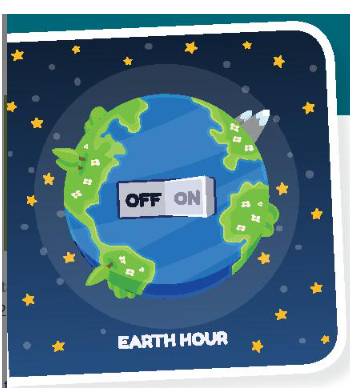
1. Read the text and complete each blank of the fact file about Earth Hour with ONE word.(Đọc văn bản và hoàn thành từng ô trống của tệp thông tin thực tế về Giờ Trái đất bằng MỘT từ.)EARTH HOUREarth Hour is a global event organised by the World Wide Fund for Nature (WWF). Held every year, it encourages people and businesses to turn off their lights and other unnecessary electrical devices for one hour from 8:30 p.m. to 9:30 p.m. on the last Saturday of...
Đọc tiếp

1. Read the text and complete each blank of the fact file about Earth Hour with ONE word.

(Đọc văn bản và hoàn thành từng ô trống của tệp thông tin thực tế về Giờ Trái đất bằng MỘT từ.)

EARTH HOUR

Earth Hour is a global event organised by the World Wide Fund for Nature (WWF). Held every year, it encourages people and businesses to turn off their lights and other unnecessary electrical devices for one hour from 8:30 p.m. to 9:30 p.m. on the last Saturday of March. Earth Hour was started as a lights-out event in Sydney, Australia, in 2007. Since then, it has grown to become an international movement for the environment, happening in more than 7,000 cities and towns across 187 countries and territories.

Earth Hour has created a positive environmental impact. It shows the public support for protecting the environment and saving the planet. It also draws attention to climate change and global energy issues, and promotes green activities worldwide.

Viet Nam joined the event in 2009 and has been an active and keen supporter since then. Besides switching off lights, people can take part in a number of activities to raise awareness of environmental problems and call for action for climate, people and nature.


EARTH HOUR

Organsied by

World Wide Fund for Nature

Held from

8:30 p.m. to 9:30 p.m. on the last (1) ________ of March

Started in

Sydney, Australia, in 2007

Aims

- to show the public (2) ________ for protecting the environment and saving the planet

- to draw attention to (3) ________ change and global energy issues

- to promote green (4) ________ worldwide

First held in Viet Nam in

(5) ________ with a variety of activities nationwide

1
6 tháng 2 2023

1. Saturday

2. support

3. climate

4. activities

5. 2009

2. Complete the dialogue with the correct affirmative or negative past simple form of the verbs below.(Hoàn thành đoạn hội thoại với thể khẳng định hoặc thể phủ định đúng của thì quá khứ đơn cho các động từ bên dưới.)be   get   learn   leave   love   spend   watchKirstie: Hi, Laurie. How are you? Tell me about your summer holiday!Laurie:  Well, for the first three weeks, I was at a summer camp in Cornwall.Kirstie: Really? That sounds like...
Đọc tiếp

2. Complete the dialogue with the correct affirmative or negative past simple form of the verbs below.

(Hoàn thành đoạn hội thoại với thể khẳng định hoặc thể phủ định đúng của thì quá khứ đơn cho các động từ bên dưới.)

be   get   learn   leave   love   spend   watch

Kirstie: Hi, Laurie. How are you? Tell me about your summer holiday!

Laurie:  Well, for the first three weeks, I was at a summer camp in Cornwall.

Kirstie: Really? That sounds like fun!

Laurie: Yes, it was. I (1) _____ a new sport - bodyboarding.

Kirstie: Wow! That sounds great!

Laurie: Yes. I (2) _____ it. It was really exciting - and a bit frightening too!

Kirstie: I bet! What else did you get up to over the summer?

Laurie: Well, the second half of the holiday (3) _____ so good. I (4) _____ a stomach bug and (5) _____ nearly a week on the sofa.

Kirstie: Oh dear! How awful!

Laurie: I (6) _____ the house for days. I just (7) _____ DVDs. I was so bored!

1
7 tháng 2 2023

1.learnt

2.loved

3.wasn't

4.got

5.spent

6.didn't

7.watched

10 tháng 9 2023

A: What is the name of the programme?

(Tên của chương trình là gì)

B: (1) It is Education for Disadvantaged Young People.

(Đó là Giáo dục cho Thanh thiếu niên có hoàn cảnh khó khăn.)

A: What does the program focus on?

(Chương trình tập trung vào cái gì?)

B: (2) It focuses on helping disadvantaged teenagers continue their education.

(Nó tập trung vào việc giúp đỡ những thanh thiếu niên có hoàn cảnh khó khăn tiếp tục đi học.)

A: What are the activities of this programme?

(Các hoạt động của chương trình này là gì?)

B: (3) It offers young people job training and career advice. It also teaches them essential skills for the job market.

(Nó cung cấp đào tạo việc làm và lời khuyên nghề nghiệp cho những người trẻ tuổi. Nó cũng dạy họ những kỹ năng cần thiết cho thị trường việc làm.)

2. Rewrite these sentences about Hoi An villages. Use the expressions below to help you.(Viết lại những câu này về các làng quê Hội An. Sử dụng các cấu trúc diễn đạt dưới đây để giúp bạn.)1. Hoi An villages are famous for their beautiful vegetable and herb gardens.=> __________________ well-known ________________________.2. Tourists can work on a local farm in the morning.=> _____________________ spend________________________.3. Tourists should buy...
Đọc tiếp

2. Rewrite these sentences about Hoi An villages. Use the expressions below to help you.

(Viết lại những câu này về các làng quê Hội An. Sử dụng các cấu trúc diễn đạt dưới đây để giúp bạn.)

1. Hoi An villages are famous for their beautiful vegetable and herb gardens.

=> __________________ well-known ________________________.

2. Tourists can work on a local farm in the morning.

=> _____________________ spend________________________.

3. Tourists should buy handmade products to help local businesses.

=> __________________ recommended ________________________.

Useful expressions:

What is special about the place? 

(Điều gì đặc biệt về nơi này?)

- … is / are famous for sth. 

(... nổi tiếng về...)

- … is / are well-known for sth. 

(... nổi tiếng về...)

What can tourists do / explore there?

(Du khách có thể làm gì ở đây?)

- ... can enjoy doing sth.

(... có thể thích...)

- … can spend time doing sth.

(...có thể dành thời gian...)

- Favourite leisure activities are / include doing sth.

(Những hoạt động giải trí yêu thích là...)

What can tourists do to make their trip more eco-friendly?

(Du khách có thể làm gì để chuyến đi của họ thân thiện với môi trường hơn?)

- ... ought (not) to / should (not) do sth…

(... nên (không nên)...)

- … are encouraged / recommended (nor) to do sth. 

(... được khuyến khích/ đề xuất...)

2
6 tháng 2 2023

1. Hoi An villages are well - known  for their beautiful vegetable and herb gardens.

2. Tourists can spend the morning on a local farm

3. Tourists recommended to buy handmade products to help local businesses.

6 tháng 2 2023

Hoi An villages are well-known for their beautiful vegetable and herb gardens

Tourists can spend the morning working on a local farm

Tourists are recommended to buy handmade products to help local businesses

10 tháng 9 2023
 

UNICEF Programme

UNDP Project

What / name?

Vaccines for Children

(Vắc xin cho Trẻ em.)

Poverty Reduction

(Giảm nghèo)

What / focus on?

protecting children with life-saving vaccines

(bảo vệ trẻ em bằng vắc-xin cứu mạng)

reducing poverty and developing economy in disadvantaged areas

(xóa đói giảm nghèo và phát triển kinh tế ở những vùng khó khăn)

What / activities?

- educating people about the benefits of vaccines

(giáo dục bảo vệ trẻ em bằng vắc-xin cứu mạng)

- vaccinating as many children as possible

(tiêm chủng cho càng nhiều trẻ em càng tốt)

- providing technical support

(cung cấp hỗ trợ kỹ thuật)

- helping develop solutions to local issues

(giúp phát triển các giải pháp cho các vấn đề địa phương)

A: What is the name of the UNDP Project?

(Tên của dự án UNDP là gì)

B: It’s Poverty Reduction.

(Đó là Giảm nghèo.)

A: What does the project focus on?

(Dự án tập trung vào cái gì?)

B: It focuses on reducing poverty and developing economy in disadvantaged areas.

(Nó tập trung vào việc xóa đói giảm nghèo và phát triển kinh tế ở những vùng khó khăn.)

A: What are the activities of this project?

(Các hoạt động của dự án này là gì?)

B: It provides technical support and helps develop solutions to local issues. What about UNICEF Programme? What is the name of the programme?

(Nó cung cấp hỗ trợ kỹ thuật và giúp phát triển các giải pháp cho các vấn đề địa phương. Chương trình UNICEF thì sao? Tên của chương trình là gì?)

A: It’s Vaccines for Children.

(Đó là Vắc xin cho Trẻ em.)

B: What does the program focus on?

(Chương trình tập trung vào cái gì?)

A: It focuses on protecting children with life-saving vaccines.

(Nó tập trung vào việc bảo vệ trẻ em bằng vắc-xin cứu mạng.)

B: What are the activities of this programme?

(Các hoạt động của chương trình này là gì?)

A: It educates protecting children with life-saving vaccines and vaccinates as many children as possible.

(Nó giáo dục bảo vệ trẻ em bằng vắc-xin cứu mạng và tiêm chủng cho càng nhiều trẻ em càng tốt.)

6 tháng 2 2023

1A

2B

3C

11 tháng 9 2023

1. What was the mother doing? - She was sitting on a bench and talking to the boy.

(Người mẹ đang làm gì? – Cô ấy đang ngồi trên băng ghế và nói chuyện với cậu bé.)

2. What was the boy doing? - He was sitting on a bench and was not looking at his mother.

(Cậu bé đang làm gì? – Cậu bé đang ngồi trên băng ghế và không nhìn vào mẹ cậu ấy.)

3. What was the girl doing? - She was singing quietly and playing with a toy.

(Cô bé đang làm gì? – Cô bé đang hát thầm và chơi đồ chơi.)

4. What were the other travellers doing? - They were shouting greetings, waving goodbye, carrying heavy bags or running to catch trains.

(Những du khách khác đang làm gì? -  (Họ đang chào nhau, vẫy tay tạm biết, mang những túi nặng hoặc chạy để bắt kịp tàu.)

5. What was the tall man doing? - He was standing near the exit and looking straight at the narrator.

(Người đàn ông cao lớn đang làm gì? – Anh ta đang đứng gần lối thoát hiểm và nhìn thẳng vào )

6. What were the cafe owners doing? - They were carrying tables outside.

(Các chủ quán ăn đang làm gì – Họ đang mang bàn ra ngoài.)

7. What was the dog doing? - He was lying on the pavement nearby.

(Con chó đang làm gì? – Nó đang nằm trên vỉa hè gần đó.)

8. What were teenage girls doing? - They were sitting on a bench and sharing headphones.

(Các cô gái teen đang làm gì? – Họ đang ngồi trên một băng ghế và chia sẻ tai nghe.)