4.Find twelve examples of the passive in the text. Which examples are a) plural, b) negative or c) a questi...">
K
Khách

Hãy nhập câu hỏi của bạn vào đây, nếu là tài khoản VIP, bạn sẽ được ưu tiên trả lời.

11 tháng 9 2023

Nearly a billion mobile phones are sold ... (a)

The first mobile phone call was made ...

The call was answered ...

The first mobiles were powered ... (a)

Voicemail was added ...

Internet access was not added ... (b)

The first text message was sent ...

It was not typed ... (b)

The camera phone was invented ...

Photos of his newborn daughter were shared ... (a)

In the UK, a mobile phone is stolen ...

What are mobile phones used for the most? (c)

11 tháng 9 2023

LEARN THIS! Past perfect (Thì quá khứ hoàn thành)

a. We form the past perfect with (1) had or (2) hadn’t and the past participle.

(Chúng ta tạo thì quá khứ hoàn thành với had hoặc hadn’t với động từ ở thể quá khứ phân từ.)

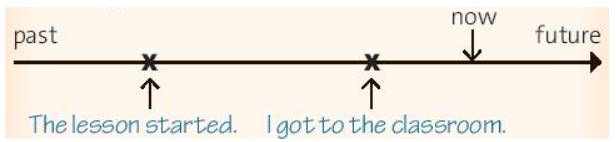
b. We use the past perfect when we are already talking about past events and we want to talk about an even earlier event.

(Chúng ta dùng thì quá khứ hoàn thành khi ai đó đang nói về những sự kiện xảy ra trong quá khứ và chúng ta muốn nói đến những sự kiện trước đó nữa.)

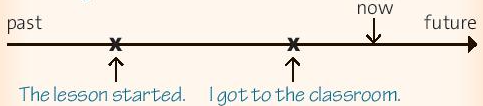
When I got to the classroom, the lesson had started.

(Khi mình đến lớp thì bài học đã bắt đầu.)
c. We often use the past perfect with after, before or when.

(Chúng ta thường dùng thì quá khứ hoàn thành với after, before hoặc when.)

Before I got to the bus station, the bus had already left.

(Trước khi mình đến trạm xe buýt, thì xe buýt đã đi mất.)

After I’d called Maggie, I watched a film on TV.

(Sau khi mình gọi cho Maggie, mình xem một bộ phim trên TV.)

had thrown … away; had risen; had increased; had spilled; had kept; had sold; had thrown; had … forgotten; hadn’t saved

2. Read the Learn this! box. Then find all the examples of the past continuous in the text in exercise 1.(Đọc hộp Learn this! Sau đó tìm tất cả các ví dụ về thì quá khứ tiếp diễn trong đoạn trích trong bài 1.)LEARN THIS! Past continuous (Thì quá khứ tiếp diễn)a. We often use the past continuous to set the scene.(Chúng ta thường dùng thì quá khứ tiếp diễn để dựng bối cảnh.)It was snowing. Two men were walking towards the...
Đọc tiếp

2. Read the Learn this! box. Then find all the examples of the past continuous in the text in exercise 1.

(Đọc hộp Learn this! Sau đó tìm tất cả các ví dụ về thì quá khứ tiếp diễn trong đoạn trích trong bài 1.)

LEARN THIS! Past continuous (Thì quá khứ tiếp diễn)

a. We often use the past continuous to set the scene.

(Chúng ta thường dùng thì quá khứ tiếp diễn để dựng bối cảnh.)

It was snowing. Two men were walking towards the house. (Tuyết đang rơi, có hai người đàn ông đang tiến đến ngôi nhà.)

b. We use the past continuous to talk about an action that was in progress at a particular time. (Chúng ta sử dụng thì quá khứ tiếp diễn để nói về một hành động đang xảy ra tại một thời điểm nhất định trong quá khứ.)

At midnight, I was doing my homework. (Vào nửa đêm, tôi đang làm bài tập.)

c. When we use the past continuous with two or more actions, we do not need to repeat the subject (I, we, etc.) or was/were if the subject is the same. (Khi chúng ta dùng thì quá khứ tiếp diễn với hai hay nhiều hành động, chúng ta không cần lặp lại chủ ngữ hoặc động từ tobe nếu cùng một chủ ngữ.)

We were sitting on the sofa and eating pizza. (Chúng tôi đang ngồi trên ghế sofa và ăn pizza.)

1
11 tháng 9 2023

were hurrying, were sitting, was talking, wasn’t looking, was singing, (was) playing, were shouting, (were) waving, (were) carrying, (were) running, was standing, was he wearing, was looking

6 tháng 2 2023

Refer

There are several things that we should do to reduce the negative impact of travelling on the environment. First of all, we should reduce our carbon footprint during the trip. We should only fly when the trip is long and choose environmentally-friendly means of transport such as cycling or public transport. The next thing is that wherever we go, we should always protect our environment. By keeping it clean and safe, we can reduce the negative impact of travelling on the environment. In addition, we had better choose activities that are good for local people and the environment. These will not only help us understand but also respect the nature more and stop doing things that harm the environment and local area as well

ê má ai cho tham khảo câu hỏi của ctvvip .-. 

3. Read the Learn this! box. Find all the past simple forms in the text in exercise 2. Match them with rules a-d in the Learn this! box.(Đọc hộp Learn this!. Tìm tất cả các thể quá khứ trong bài đọc ở bài 2. Nối chúng với các quy tắc trong hộp.)LEARN THIS! Past simple (affirmative)(Thì quá khứ đơn - dạng khẳng định)a. We form the past simple form of regular verbs by adding -ed to the infinitive. (Ta hình thành thể quá khứ đơn của...
Đọc tiếp

3. Read the Learn this! box. Find all the past simple forms in the text in exercise 2. Match them with rules a-d in the Learn this! box.

(Đọc hộp Learn this!. Tìm tất cả các thể quá khứ trong bài đọc ở bài 2. Nối chúng với các quy tắc trong hộp.)

LEARN THIS! Past simple (affirmative)

(Thì quá khứ đơn - dạng khẳng định)

a. We form the past simple form of regular verbs by adding -ed to the infinitive. 

(Ta hình thành thể quá khứ đơn của động từ thường bằng cách thêm -ed vào động từ nguyên mẫu.)

want – wanted       talk – talked

b. There are some rules about spelling changes. 

(Có một vài quy tắc về việc thay đổi chính tả khi thêm -ed.)

1. drop – dropped; 2. marry – married; 3. move – moved

c. Some verbs have irregular past simple forms. 

(Một số động từ có bất quy tắc ở thể quá khứ đơn.)

go – went; begin – began; leave – left; take – took

d. The past simple of the verb be has two forms, singular and plural. 

(Thể quá khứ đơn của động từ tobe có 2 dạng, số ít và số nhiều.)

be – was/were

1
11 tháng 9 2023

a. returned, looked

b. studied, compared, stopped

c. bought, chose, won, felt, gave, found, spent, had

d. were, was

2. Work in pairs. Discuss which of the things in 1 we should or should not do to become ecotourists. Use the expressions below to help you.(Làm việc theo cặp. Thảo luận về những điều trong bài 1 chúng ta nên làm hoặc không nên làm để trở thành nhà du lịch sinh thái. Sử dụng các cụm dưới đây để giúp bạn.)Useful expressions:... should (not) / ought (not) to / do sth.Example: We should not litter on the beach or the street.(Ví dụ: Chúng ta...
Đọc tiếp

2. Work in pairs. Discuss which of the things in 1 we should or should not do to become ecotourists. Use the expressions below to help you.

(Làm việc theo cặp. Thảo luận về những điều trong bài 1 chúng ta nên làm hoặc không nên làm để trở thành nhà du lịch sinh thái. Sử dụng các cụm dưới đây để giúp bạn.)

Useful expressions:

... should (not) / ought (not) to / do sth.

Example: We should not litter on the beach or the street.

(Ví dụ: Chúng ta không nên xả rác trên bãi biển hoặc đường phố.)

One of the things ... can / should (not) do / is (to) do sth.

Example: One of the things we should not do is to litter on the beach or the street.

(Ví dụ: Một trong những điều chúng ta không nên làm là xả rác trên bãi biển hoặc đường phố.)

I suggest that ... (should / should not) do sth.

Example: I suggest that we should not litter on the beach or the street.

(Ví dụ: Tôi đề nghị rằng chúng ta không nên xả rác trên bãi biển hoặc đường phố.)

It will (be better / good ...) / do / avoid doing sth.

Example: It will be better for the environment if we avoid littering on the beach or the street.

(Ví dụ: Sẽ tốt hơn cho môi trường nếu chúng ta tránh xả rác trên bãi biển hoặc đường phố.)

1
11 tháng 9 2023

We ought not to hunt wild animals.

(Chúng ta không nên săn bắt động vật hoang dã.)

One of the things we should do is to avoid crowded places.

(Một trong những điều chúng ta nên làm là tránh những nơi đông người.)

I suggest that we should not waste water and electricity.

(Tôi đề nghị rằng chúng ta không nên lãng phí nước và điện.)

It will be better following walking paths and trails.

(Sẽ tốt hơn khi đi theo những con đường đi bộ và đường mòn.)

2. Read the text and choose the best tittle for it.(Đọc văn bản và chọn tiêu đề hay nhất.)a. Environmental problems: What are they?b. Environmental protection: How important is it?c. Environmental solutions: How practical are they?The environment we live in is facing many serious problems. We need to be aware of these problems so that we can find ways to protect nature.A. Global warming is the rise in the average temperature of the earth's atmosphere. It is one of the biggest...
Đọc tiếp

2. Read the text and choose the best tittle for it.

(Đọc văn bản và chọn tiêu đề hay nhất.)

a. Environmental problems: What are they?

b. Environmental protection: How important is it?

c. Environmental solutions: How practical are they?

The environment we live in is facing many serious problems. We need to be aware of these problems so that we can find ways to protect nature.

A. Global warming is the rise in the average temperature of the earth's atmosphere. It is one of the biggest issues facing humans today. It can have serious consequences such as rising sea levels, polar ice melting, and extreme weather events like floods or heatwaves.

B. Another environmental problem is the cutting and clearing of natural forests. The loss of forests can have a negative impact on the environment. It can damage the natural habitats of many animals and put wildlife in danger. It can also destroy the natural soil and lead to climate change.

C. Air pollution is also a serious problem. It is mainly caused by waste gases that come out of vehicles, machines, or factories. When these harmful gases combine with the water in the air, they come down as rain or snow, which can damage all forms of life. In addition, this problem leads to global warming and climate change. It is also a major cause of respiratory diseases or even lung cancer.

D. Around the world, the number of endangered animals is rising. Many of them disappear because of pollution and climate change. In addition, humans illegally hunt and kill animals, and catch too many fish at once. This is upsetting the natural balance of ecosystems, which can be harmful to all living and non-living things.

2
10 tháng 9 2023

Đoạn A nói về vấn đề nóng lên toàn cầu, đoạn B nói về nạn chặn cây phá rừng tự nhiên, đoạn C nói về ô nhiễm không khí, đoạn D nói về sự tuyệt chủng loài. Đây đều là các vấn đề về môi trường => chọn a.

10 tháng 9 2023

Tạm dịch:

a. Các vấn đề về môi trường: Chúng là gì?

b. Bảo vệ môi trường: Nó quan trọng như thế nào?

c. Các giải pháp môi trường: Chúng thực tế như thế nào?

Môi trường chúng ta sống đang phải đối mặt với nhiều vấn đề nghiêm trọng. Chúng ta cần nhận thức rõ những vấn đề này để có thể tìm cách bảo vệ thiên nhiên.

A. Sự nóng lên toàn cầu là sự gia tăng nhiệt độ trung bình của khí quyển trái đất. Đó là một trong những vấn đề lớn nhất mà con người phải đối mặt ngày nay. Nó có thể gây ra những hậu quả nghiêm trọng như mực nước biển dâng cao, băng tan ở hai cực và các hiện tượng thời tiết khắc nghiệt như lũ lụt hoặc sóng nhiệt.

B. Một vấn đề môi trường khác là chặt phá rừng tự nhiên. Việc mất rừng có thể có tác động tiêu cực đến môi trường. Nó có thể làm hư hại môi trường sống tự nhiên của nhiều loài động vật và khiến động vật hoang dã gặp nguy hiểm. Nó cũng có thể phá hủy đất tự nhiên và dẫn đến biến đổi khí hậu.

C. Ô nhiễm không khí cũng là một vấn đề nghiêm trọng. Nguyên nhân chủ yếu là do khí thải từ xe cộ, máy móc hoặc nhà máy. Khi những khí độc hại này kết hợp với nước trong không khí, chúng sẽ tạo thành mưa hoặc tuyết, có thể gây hại cho mọi dạng sống. Ngoài ra, vấn đề này còn dẫn đến hiện tượng nóng lên toàn cầu và biến đổi khí hậu. Nó cũng là nguyên nhân chính gây ra các bệnh về đường hô hấp hay thậm chí là ung thư phổi.

D. Trên khắp thế giới, số lượng các loài động vật có nguy cơ tuyệt chủng đang tăng lên. Nhiều con trong số chúng biến mất vì ô nhiễm và biến đổi khí hậu. Ngoài ra, còn vì con người săn bắt và giết động vật một cách bất hợp pháp và đánh bắt quá nhiều cá cùng một lúc. Điều này đang làm đảo lộn sự cân bằng tự nhiên của các hệ sinh thái, có thể gây hại cho tất cả các sinh vật sống và không sống.

6 tháng 2 2023

1: peacekeeping

2: harm

3: expert

4: investors

6 tháng 2 2023

1A

2B

3C

2. Read the text. Are these sentences about the people who took part in the survey true or false? Write T or F.(Đọc văn bản. Những câu này về những người đã tham gia khảo sát là đúng hay sai? Viết T (đúng) hoặc F (sai).)a. Most have a positive view of the British overall. _____b. More than half have a better opinion of the British now that they live in the country. _____How foreigners see the BritishWhat is a typical British person like? People who come to Britain...
Đọc tiếp

2. Read the text. Are these sentences about the people who took part in the survey true or false? Write T or F.

(Đọc văn bản. Những câu này về những người đã tham gia khảo sát là đúng hay sai? Viết T (đúng) hoặc F (sai).)

a. Most have a positive view of the British overall. _____

b. More than half have a better opinion of the British now that they live in the country. _____

How foreigners see the British

What is a typical British person like? People who come to Britain from other countries probably have a few expectations: British people are polite, rather reserved, and enjoy drinking tea and standing in queues! But how accurate is this stereotype? In an online survey of 1402 foreign nationals living in the UK, just over half said that the British matched their expectations.

The survey also asked which aspects of the British character the foreign nationals liked and disliked. British people's good manners were popular with 49% and 40% liked the ability to queue. Many agreed that the British are reserved and for 32% this was a good quality but for 19% it was negative. Other negative aspects were the British sense of humour (31%) and British culture in general (28%). However, 77% said they liked British people in general and 61% said that their opinion of the British got better as a result of living in the UK. 

A spokesman for the researchers said: People probably come to Britain with a stereotype of what to expect. It’s good to see that, for the majority, the reality is better than the stereotype.'

2
7 tháng 2 2023

a. Most have a positive view of the British overall. _T____

b. More than half have a better opinion of the British now that they live in the country. __T___

11 tháng 9 2023

1. T

Most have a positive view of the British overall.

(Nhìn chung thì đa số mọi người có cái nhìn tích cực về người Anh?)

Thông tin: However, 77% said they liked British people in general…

(Tuy nhiên, 77% số người cho rằng về cơ bản họ thích người Anh…)

2. T

More than half have a better opinion of the British now that they live in the country.

(Hơn một nửa số người đã có những suy nghĩ tốt hơn về người anh khi giờ họ sống ở đây.)

Thông tin: 61% said that their opinion of the British got better as a result of living in the UK.

(61% người nói rằng suy nghĩ của họ về người Anh đã tốt hơn nhờ việc sống ở Anh.)