K
Khách

Hãy nhập câu hỏi của bạn vào đây, nếu là tài khoản VIP, bạn sẽ được ưu tiên trả lời.

2. Look through the texts quickly. Match two of the three texts (A-C) with photos 1-2.

(Nhìn qua các đoạn văn một cách nhanh chóng. Nối hai trong số ba văn bản (A-C) với ảnh 1 và 2)

A taste of adventure

Where do you usually go on holiday? To the beach or the mountains? Have you ever tried an adventure holiday or even an ecotourism holiday?

A. Hilary Bradt: aged 15

Last year, I went to Guatemala on an ecotourism holiday with my family. We stayed with a local family of coffee farmers. They showed us how to harvest coffee, carry it in a special backpack and roast it. I don't really like the taste of coffee, but I loved the smell when we roasted it. The best part was that I made friends with a girl on the farm and now we're penfriends. I'm even learning Spanish!

B. Kevin Rushby: aged 16

For our last family holiday, we went to the Great Barrier Reef in Australia. It was amazing. I saw loads of multicoloured fish and even learned how to dive. We also visited a turtle sanctuary, and helped to take baby turtles out to the beach, their natural habitat. Forgetting the suncream, I got really sunburned. It was worth it though, to see the baby turtles swimming away.

C. Terry Nguyen: aged 16

Last summer, I went to Nam Cat Tien in south Viet Nam with my aunt, uncle and cousins. My aunt loves adventure holidays. We stayed on a campsite in the jungle, and the local guide took us to see local wildlife. On the first day, I saw a wild boar and a monkey, which ran away with my sunglasses. I tried chasing it to get them back. I got separated from the group, and didn't know where they were. I was terrified! Finally, I heard the guide calling me. I wasn't lost for long, but it felt like ages!


2
11 tháng 9 2023

Tạm dịch:

Hương vị phiêu lưu

Bạn thường đi đâu vào kỳ nghỉ? Đi đến bãi biển hay những ngọn núi? Bạn đã bao giờ thử một kỳ nghỉ mạo hiểm hay thậm chí là một kỳ nghỉ du lịch sinh thái chưa?

A. Hilary Bradt: 15 tuổi

Năm ngoái, tôi đến Guatemala vào một kỳ nghỉ du lịch sinh thái cùng gia đình. Chúng tôi đã ở với một gia đình nông dân trồng cà phê ở địa phương. Họ chỉ cho chúng tôi cách thu hoạch cà phê, gói nó trong một ba lô đặc biệt và rang nó lên. Tôi không thực sự thích hương vị của cà phê, nhưng tôi thích mùi hương khi chúng tôi rang nó lên. Điều tuyệt vời nhất là tôi đã kết bạn với một cô gái trong trang trại và bây giờ chúng tôi là bạn của nhau. Tôi thậm chí còn đang học cả tiếng Tây Ban Nha!

B. Kevin Rushby: 16 tuổi

Trong kỳ nghỉ trước của gia đình tôi, chúng tôi đã đến Great Barrier Reef ở Úc. Thật là tuyệt vời. Tôi đã nhìn thấy vô số loài cá nhiều màu sắc và thậm chí còn học được cách lặn. Chúng tôi cũng đã đến thăm một khu bảo tồn rùa và giúp đưa những chú rùa con ra bãi biển - môi trường sống tự nhiên của chúng. Quên bôi kem chống nắng đã làm tôi thực sự bị cháy nắng. Tuy nhiên, nó cũng thật đáng khi nhìn thấy những chú rùa con bơi đi.

C. Terry Nguyen: 16 tuổi

Mùa hè năm ngoái, tôi đã đến Nam Cát Tiên ở miền nam Việt Nam cùng với cô, chú và anh chị em họ của mình. Dì tôi thích những kỳ nghỉ phiêu lưu. Chúng tôi ở lại một khu cắm trại trong rừng, và hướng dẫn viên người địa phương đã đưa chúng tôi đi xem động vật hoang dã ở đó. Vào ngày đầu tiên, tôi nhìn thấy một con lợn rừng và một con khỉ, con khỉ lấy kính râm của tôi và bỏ chạy. Tôi đã cố gắng đuổi theo nó để lấy lại. Tôi đã tách khỏi đoàn, và không biết mọi người đang ở đâu. Tôi vô cùng kinh hãi! Cuối cùng, tôi nghe thấy hướng dẫn viên gọi tôi. Tôi bị lạc không lâu lắm, nhưng tôi cảm thấy nó dài đằng đẵng!

11 tháng 9 2023

2. Complete the dialogue with the correct affirmative or negative past simple form of the verbs below.(Hoàn thành đoạn hội thoại với thể khẳng định hoặc thể phủ định đúng của thì quá khứ đơn cho các động từ bên dưới.)be   get   learn   leave   love   spend   watchKirstie: Hi, Laurie. How are you? Tell me about your summer holiday!Laurie:  Well, for the first three weeks, I was at a summer camp in Cornwall.Kirstie: Really? That sounds like...
Đọc tiếp

2. Complete the dialogue with the correct affirmative or negative past simple form of the verbs below.

(Hoàn thành đoạn hội thoại với thể khẳng định hoặc thể phủ định đúng của thì quá khứ đơn cho các động từ bên dưới.)

be   get   learn   leave   love   spend   watch

Kirstie: Hi, Laurie. How are you? Tell me about your summer holiday!

Laurie:  Well, for the first three weeks, I was at a summer camp in Cornwall.

Kirstie: Really? That sounds like fun!

Laurie: Yes, it was. I (1) _____ a new sport - bodyboarding.

Kirstie: Wow! That sounds great!

Laurie: Yes. I (2) _____ it. It was really exciting - and a bit frightening too!

Kirstie: I bet! What else did you get up to over the summer?

Laurie: Well, the second half of the holiday (3) _____ so good. I (4) _____ a stomach bug and (5) _____ nearly a week on the sofa.

Kirstie: Oh dear! How awful!

Laurie: I (6) _____ the house for days. I just (7) _____ DVDs. I was so bored!

1
7 tháng 2 2023

1.learnt

2.loved

3.wasn't

4.got

5.spent

6.didn't

7.watched

6 tháng 2 2023

1.were-would live

2.work-will be

3.allow-will have

4.had-would go

6 tháng 2 2023

Put the verbs in brackets in the correct forms.

(Chia dạng đúng các động từ trong ngoặc.)

1. If I (be) __were____ you, I (live) ___would live___ with a host family so that I can learn more about the local culture.

2. If we (work) __work____ together, we (be) __will be____ able to reduce the negative impact of tourism on the environment.

3. If we (allow) __allow____ more people to crowd the city centre, we (have) __will have____ to deal with environmental pollution in the future.

4. If we (have) __had____ enough money, we (go) ___would go___ on an ecotour to Finland. Instead, were staying in Viet Nam in the summer. 

2. Read the descriptions of two events and check your ideas for exercise 1. What do you think of each prank? Use the adjectives below or your own ideas.childish   clever   cruel   funny   predictableSarah_B: Tell us about pranks you played on friends or family members! Dave338: When I was about nine years old, I bought an enormous plastic spider from a joke shop. I couldn't wait to play a prank on my sister with it. One morning, I put it in the shower just before my big sister went into...
Đọc tiếp

2. Read the descriptions of two events and check your ideas for exercise 1. What do you think of each prank? Use the adjectives below or your own ideas.

childish   clever   cruel   funny   predictable

Sarah_B: Tell us about pranks you played on friends or family members! 

Dave338: When I was about nine years old, I bought an enormous plastic spider from a joke shop. I couldn't wait to play a prank on my sister with it. One morning, I put it in the shower just before my big sister went into the bathroom. I waited outside the door. I heard a really loud scream and my sister ran out of the bathroom. I thought it was really funny, but she was really cross when she found out, and chased me round the house. I feel bad about it now, it took her ages to get over it because she was so shocked.

Kate44: Last February, I sent my brother a Valentine's card. In the card, I wrote 'Be my Valentine! With love from ???’, and I tried to disguise my handwriting. When he opened it, he looked carefully at the writing, and I thought for a moment he realised it was from me. But there was a girl in his class who he liked, and he thought the card was from her. He seemed really pleased and he decided to ask her out, and now they're going out! Eventually, he found out she didn't send it. He immediately suspected me, so I owned up. He was a bit cross, but he forgave me because of the happy ending.

2
11 tháng 9 2023

I think Dave338’s prank is extremely childish and cruel as it took his sister ages to get over the prank. (Mình thấy trò đùa của Dave338 cực kỳ trẻ con và độc ác vì nó khiến chị ấy mất nhiều thời gian để vượt qua trò chơi khăm đó.)

I think Kate44’s quite interesting but she shouldn’t have played that with her brother as it would have been a great disappointment to him if his crush hadn’t go out with him. (Mình thấy trò đùa của Kate44 khá thú vị nhưng đang lý ra cô ấy không nên làm như vậy vì nếu chị gái kia không đi chơi với anh ấy thì đó sẽ là một nỗi thất vọng lớn lao.)

11 tháng 9 2023

Tạm dịch:

Sarah_B: Hãy kể về một trò chơi khăm mà bạn thực hiện lên bạn bè hoặc thành viên trong gia đình nào!

Dave338: Khi mà tôi chin tuổi, tôi đã mua một con nhện khổng lồ bằng nhựa trong một tiệm giỡn. Tôi không thể đợi để chơi khăm chị mình với nó. Một buổi sáng nọ, tôi đặt con nhện trong vòi sen ngay trước khi chị tôi đi vào nhà tắm. Tôi đứng đợi ở ngoài cửa. Tôi đã nghe một tiếng hét rất lớn và chị tôi đã chạy ra khỏi vòng tắm. Tôi đã nghỉ nó rất vui, những chị tôi đã phát cáu khi biết chuyện, và đuổi theo tôi quanh nhà. Bây giờ tôi cảm thấy mình tệ vì chuyện đó. Cũng mất khá lâu để chị tôi có thể vượt qua nó vì chị ấy quá đỗi bàng hoàng.

Kate44: Tháng Hai năm ngoái, mình đã gửi anh trai mình một tấm thiệp ngày Lễ tình nhân. Trong tấm thiếp, mình viết “Hãy là tình nhân của mình nhé! Từ ??? với yêu thương”, và mình cố gắng làm rối nét chữ của mình. Nhưng có một chị ở lớp mà anh ấy rất thích, và anh ấy đã nghỉ tấm thiệp là từ chị ấy. Anh ấy dường như rất vui vẻ và anh đã quyết định rủ cô ấy đi chơi, và bây giờ họ đang đi chơi rồi! Sau cùng, anh ấy cũng biết là chị ấy không gửi tấm thiệp đó. Anh ấy lập tức nghi ngờ mình, nên mình thú nhận mình đã làm. Anh ấy đã có chút cáu giận nhưng anh ấy cũng tha thứ cho mình vì cái kết có hậu.

11 tháng 9 2023

 1. did not (didn't)

 2. did

 3. was/ were

 4. could/ couldn't

11 tháng 9 2023

a. We form the negative form of the past simple with (1) did not and the infinitive without to. (Chúng ta hình thành thể phủ định của thì quá khứ đơn với “did not” và động từ nguyên mẫu không to.)

I didn’t go out last night.

b. We form the interrogative form of the past simple with (2) did and the infinitive without to. (Chúng ta hình thành thể nghi vấn của thì quá khứ đơn với “did” và động từ nguyên mẫu không to.)

Did Harry text you? Yes, he did. I No, he didn't.

c. We do not use did/ didn't with the verbs (3) was/ were or (4) could/ couldn’t. (Chúng ta không sử dụng “did/ didn’t” với các động từ “was/were hoặc could/couldn’t.)

Was Joe late for school? Yes, he was.

Could you read when you were three? No, I couldn't.

2. Read the text and choose the best tittle for it.(Đọc văn bản và chọn tiêu đề hay nhất.)a. Environmental problems: What are they?b. Environmental protection: How important is it?c. Environmental solutions: How practical are they?The environment we live in is facing many serious problems. We need to be aware of these problems so that we can find ways to protect nature.A. Global warming is the rise in the average temperature of the earth's atmosphere. It is one of the biggest...
Đọc tiếp

2. Read the text and choose the best tittle for it.

(Đọc văn bản và chọn tiêu đề hay nhất.)

a. Environmental problems: What are they?

b. Environmental protection: How important is it?

c. Environmental solutions: How practical are they?

The environment we live in is facing many serious problems. We need to be aware of these problems so that we can find ways to protect nature.

A. Global warming is the rise in the average temperature of the earth's atmosphere. It is one of the biggest issues facing humans today. It can have serious consequences such as rising sea levels, polar ice melting, and extreme weather events like floods or heatwaves.

B. Another environmental problem is the cutting and clearing of natural forests. The loss of forests can have a negative impact on the environment. It can damage the natural habitats of many animals and put wildlife in danger. It can also destroy the natural soil and lead to climate change.

C. Air pollution is also a serious problem. It is mainly caused by waste gases that come out of vehicles, machines, or factories. When these harmful gases combine with the water in the air, they come down as rain or snow, which can damage all forms of life. In addition, this problem leads to global warming and climate change. It is also a major cause of respiratory diseases or even lung cancer.

D. Around the world, the number of endangered animals is rising. Many of them disappear because of pollution and climate change. In addition, humans illegally hunt and kill animals, and catch too many fish at once. This is upsetting the natural balance of ecosystems, which can be harmful to all living and non-living things.

2
10 tháng 9 2023

Đoạn A nói về vấn đề nóng lên toàn cầu, đoạn B nói về nạn chặn cây phá rừng tự nhiên, đoạn C nói về ô nhiễm không khí, đoạn D nói về sự tuyệt chủng loài. Đây đều là các vấn đề về môi trường => chọn a.

10 tháng 9 2023

Tạm dịch:

a. Các vấn đề về môi trường: Chúng là gì?

b. Bảo vệ môi trường: Nó quan trọng như thế nào?

c. Các giải pháp môi trường: Chúng thực tế như thế nào?

Môi trường chúng ta sống đang phải đối mặt với nhiều vấn đề nghiêm trọng. Chúng ta cần nhận thức rõ những vấn đề này để có thể tìm cách bảo vệ thiên nhiên.

A. Sự nóng lên toàn cầu là sự gia tăng nhiệt độ trung bình của khí quyển trái đất. Đó là một trong những vấn đề lớn nhất mà con người phải đối mặt ngày nay. Nó có thể gây ra những hậu quả nghiêm trọng như mực nước biển dâng cao, băng tan ở hai cực và các hiện tượng thời tiết khắc nghiệt như lũ lụt hoặc sóng nhiệt.

B. Một vấn đề môi trường khác là chặt phá rừng tự nhiên. Việc mất rừng có thể có tác động tiêu cực đến môi trường. Nó có thể làm hư hại môi trường sống tự nhiên của nhiều loài động vật và khiến động vật hoang dã gặp nguy hiểm. Nó cũng có thể phá hủy đất tự nhiên và dẫn đến biến đổi khí hậu.

C. Ô nhiễm không khí cũng là một vấn đề nghiêm trọng. Nguyên nhân chủ yếu là do khí thải từ xe cộ, máy móc hoặc nhà máy. Khi những khí độc hại này kết hợp với nước trong không khí, chúng sẽ tạo thành mưa hoặc tuyết, có thể gây hại cho mọi dạng sống. Ngoài ra, vấn đề này còn dẫn đến hiện tượng nóng lên toàn cầu và biến đổi khí hậu. Nó cũng là nguyên nhân chính gây ra các bệnh về đường hô hấp hay thậm chí là ung thư phổi.

D. Trên khắp thế giới, số lượng các loài động vật có nguy cơ tuyệt chủng đang tăng lên. Nhiều con trong số chúng biến mất vì ô nhiễm và biến đổi khí hậu. Ngoài ra, còn vì con người săn bắt và giết động vật một cách bất hợp pháp và đánh bắt quá nhiều cá cùng một lúc. Điều này đang làm đảo lộn sự cân bằng tự nhiên của các hệ sinh thái, có thể gây hại cho tất cả các sinh vật sống và không sống.

2. Read the text and circle the correct meanings of the highlighted words.(Đọc văn bản và khoanh tròn nghĩa đúng của các từ được đánh dấu.)Since UNICEF set up an office in 1975 in Viet Nam, it has run projects in various fields to provide the highest possible support for children in our country. The organisation particularly aims to create opportunities for all children in Viet Nam to attend school, learn and succeed. The following programmes help achieve the UNICEF's...
Đọc tiếp

2. Read the text and circle the correct meanings of the highlighted words.

(Đọc văn bản và khoanh tròn nghĩa đúng của các từ được đánh dấu.)

Since UNICEF set up an office in 1975 in Viet Nam, it has run projects in various fields to provide the highest possible support for children in our country. The organisation particularly aims to create opportunities for all children in Viet Nam to attend school, learn and succeed. The following programmes help achieve the UNICEF's education aims for Viet Nam.

Education for Disadvantaged Young People

UNICEF helps disadvantaged teenagers continue their education by offering them job training and career advice. They are also taught essential skills for the job market.

Providing Education Opportunities for Children with Disabilities

This programme gives children with disabilities a chance to get access to and benefit from a quality education. It also helps promote equal participation in society and a culture in which people respect each other.

Improving Learning Achievements

This is another practical programme supported by UNICEF. The aim is to better prepare children for the challenges in the future. UNICEF helps Viet Nam in joining regional educational programmes to improve children's learning achievements. When they leave school, they should have the necessary skills and knowledge to work in a fast-changing world.

1. create

a. make something happen 

b. increase something

c. refuse something

2. essential

a. usual

b. necessary

c. successful

3. respect

a. have a good opinion of somebody

b. look down on somebody

c. get on well with somebody

4. practical

a. connected with organisations

b. connected with ideas

c. connected with real situations

2
14 tháng 8 2023

1. a

2. b

3. a

4. c

10 tháng 9 2023

1. a

2. b

3. a

4. c

1. create (v): tạo ra

a. make something happen

(làm cho một cái gì đó xảy ra)

b. increase something

(tăng cái gì đó)

c. refuse something

(từ chối điều gì đó)

2. essential (adj): cần thiết

a. usual

(thường)

b. necessary

(cần thiết)

c. successful

(thành công)

3. respect (v): tôn trọng

a. have a good opinion of somebody

(có quan điểm tốt về ai đó)

b. look down on somebody

(khinh thường ai đó)

c. get on well with somebody

(có mối quan hệ tốt với người nào đó)

4. practical (adj): thực tiễn

a. connected with organisations

(kết nối với các tổ chức)

b. connected with ideas

(kết nối với các ý tưởng)

c. connected with real situations

(kết nối với các tình huống thực tế)

7 tháng 2 2023

Because the film wasn’t great and she couldn’t see the screen very well because the man in front of her was really tall and he didn’t stop talking to his girlfriend,she also lost her mobile.

11 tháng 9 2023

Tạm dịch:

Sam: Chào Anna! Tối qua cậu có đi chơi không?

Anna: À có, mình đã đến rạp chiếu phim.

Sam: Thật không? Cậu đi với ai thế?

Anna: Chị của mình?

Sam: Cậu đã xem phim gì vậy?

Anna: Phim mới của Jennifer Lawrence.

Sam: Cậu có tận hưởng nó không?

Anna: Không, cũng không hay lắm. Và mình cũng không thể thấy màn hình rõ lắm. Người đàn ông ngồi đằng trước rất cao và anh ta không ngừng nói chuyện với bạn gái!

Sam: Mình cũng ghét điều đó!

Anna: Và đó không phải là tất cả. Mình mất điện thoại rồi! Mình nghĩ mình đánh rớt nó ở rạp.
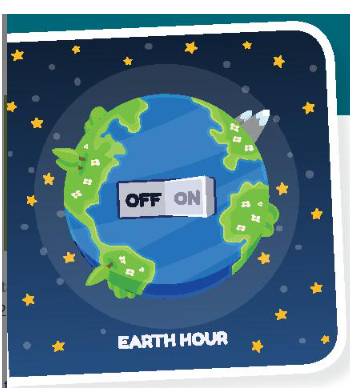
1. Read the text and complete each blank of the fact file about Earth Hour with ONE word.(Đọc văn bản và hoàn thành từng ô trống của tệp thông tin thực tế về Giờ Trái đất bằng MỘT từ.)EARTH HOUREarth Hour is a global event organised by the World Wide Fund for Nature (WWF). Held every year, it encourages people and businesses to turn off their lights and other unnecessary electrical devices for one hour from 8:30 p.m. to 9:30 p.m. on the last Saturday of...
Đọc tiếp

1. Read the text and complete each blank of the fact file about Earth Hour with ONE word.

(Đọc văn bản và hoàn thành từng ô trống của tệp thông tin thực tế về Giờ Trái đất bằng MỘT từ.)

EARTH HOUR

Earth Hour is a global event organised by the World Wide Fund for Nature (WWF). Held every year, it encourages people and businesses to turn off their lights and other unnecessary electrical devices for one hour from 8:30 p.m. to 9:30 p.m. on the last Saturday of March. Earth Hour was started as a lights-out event in Sydney, Australia, in 2007. Since then, it has grown to become an international movement for the environment, happening in more than 7,000 cities and towns across 187 countries and territories.

Earth Hour has created a positive environmental impact. It shows the public support for protecting the environment and saving the planet. It also draws attention to climate change and global energy issues, and promotes green activities worldwide.

Viet Nam joined the event in 2009 and has been an active and keen supporter since then. Besides switching off lights, people can take part in a number of activities to raise awareness of environmental problems and call for action for climate, people and nature.


EARTH HOUR

Organsied by

World Wide Fund for Nature

Held from

8:30 p.m. to 9:30 p.m. on the last (1) ________ of March

Started in

Sydney, Australia, in 2007

Aims

- to show the public (2) ________ for protecting the environment and saving the planet

- to draw attention to (3) ________ change and global energy issues

- to promote green (4) ________ worldwide

First held in Viet Nam in

(5) ________ with a variety of activities nationwide

1
6 tháng 2 2023

1. Saturday

2. support

3. climate

4. activities

5. 2009

2. Read the texts. What are the two students talking about? Choose the correct answer.(Đọc văn bản. Hai học sinh đang nói về điều gì? Chọn câu trả lời đúng.)A. Ways of helping studentsB. Ways of learningC. How to enjoy learningKimI think face-to-face learning is better than online learning because I can communicate with teachers and other classmates immediately and directly when I have questions. In class, I can work in groups and discuss with friends. This helps me...
Đọc tiếp

2. Read the texts. What are the two students talking about? Choose the correct answer.

(Đọc văn bản. Hai học sinh đang nói về điều gì? Chọn câu trả lời đúng.)

A. Ways of helping students

B. Ways of learning

C. How to enjoy learning

Kim

I think face-to-face learning is better than online learning because I can communicate with teachers and other classmates immediately and directly when I have questions. In class, I can work in groups and discuss with friends. This helps me understand the lessons better. When I have a problem, I can ask for answers or help immediately. I can't do this in online classes. I have to email my teachers and wait for their reply. Learning in a traditional classroom also has fewer distractions than learning online. My teachers have many strategies to keep us focused on the lessons. I really enjoy my lessons and learn a lot.


Laura

I think online learning has more advantages than disadvantages. My school is trying to change from face-to-face to blended learning, so sometimes we have online classes. I don't have to go to school, but I don't feel I'm missing any lessons by taking online classes. Furthermore, I think I learn online as much as I learn in a traditional class. I can't talk to my teacher and classmates, but I can email them at any time. I also have an online discussion board where I can exchange comments and ideas about my projects with my classmates. The only disadvantage is I really need to have a fast Internet connection.

1
6 tháng 2 2023

B

1. Read the text. Match the highlighted words with their meanings.(Đọc văn bản. Nối các từ được làm nổi bật với nghĩa của chúng.)The more people travel, the bigger impact they may have on the environment. How can we reduce it while travelling? Here are some advice.Reduce your carbon footprint while travelling. Since flying produces more carbon footprint than any other means of transport, you should only fly when the trip is long. During the trip, you should walk, cycle...
Đọc tiếp

1. Read the text. Match the highlighted words with their meanings.

(Đọc văn bản. Nối các từ được làm nổi bật với nghĩa của chúng.)

The more people travel, the bigger impact they may have on the environment. How can we reduce it while travelling? Here are some advice.

Reduce your carbon footprint while travelling. Since flying produces more carbon footprint than any other means of transport, you should only fly when the trip is long. During the trip, you should walk, cycle or use public transport as much as you can. This not only helps to keep the environment clean, but also allows you to enjoy the beauty of nature and interact with local people. 

Choose eco-friendly activities that benefit animals and the ecosystem. Avoid activities that allow you to touch or ride animals because they disturb their natural patterns and attract many people. Instead, visit wildlife parks or organic farms. These will help you understand and respect the nature more and stop doing things that harm the environment.

Words

Meanings

1. interact 

a. to be good for someone or something 

2. benefit 

b. to talk or do things with other people 

3. disturb 

c. to interrupt what people are doing and make them angry 

3
6 tháng 2 2023

1B

2A

3C

6 tháng 2 2023

1. Read the text. Match the highlighted words with their meanings.

(Đọc văn bản. Nối các từ được làm nổi bật với nghĩa của chúng.)

The more people travel, the bigger impact they may have on the environment. How can we reduce it while travelling? Here are some advice.

Reduce your carbon footprint while travelling. Since flying produces more carbon footprint than any other means of transport, you should only fly when the trip is long. During the trip, you should walk, cycle or use public transport as much as you can. This not only helps to keep the environment clean, but also allows you to enjoy the beauty of nature and interact with local people. 

Choose eco-friendly activities that benefit animals and the ecosystem. Avoid activities that allow you to touch or ride animals because they disturb their natural patterns and attract many people. Instead, visit wildlife parks or organic farms. These will help you understand and respect the nature more and stop doing things that harm the environment.
 

Answer:

1. interact ->b: to talk or do things with other people.
2. benefit ->a: to be good for someone or something.

3. disturb ->c: to interrupt what people are doing and make them angry.